
Experts warn: energy bills could rise by 30% this winter
Energy expert Dian Popescu warns that new electricity contracts will be over 30% higher this winter, due to gas storage problems across Europe.
 Foto ilustrativă
Electricity bills could rise by more than 30% this winter, according to a warning issued exclusively to Realitatea Plus by Dian Popescu, an energy expert. Energy journalist Ciprian Cherciu also argues that Romania will continue to face high prices, as the country lacks energy storage capacity.
What the energy expert says
Dian Popescu explained that the ad hoc measures taken by the Romanian state are causing it to lose money it would otherwise collect daily into the budget, as a result of a "chaotic liberalisation" of the market. He warned that Europe is behind on gas storage ahead of the winter season, and that this will drive a sharp rise in prices across Europe.
"During the winter period, new contracts will certainly come with electricity bills increased by more than 30%. Not gas for now, but electricity bills up by more than 30%," said Dian Popescu.
The expert also stated that, in his opinion, the current government and the Ministry of Energy are no longer capable of making sound decisions to halt the rise in gas, fuel, and electricity prices in the coming period, arguing that such decisions should be left to specialists.
Lack of storage capacity, a problem for Romania
Ciprian Cherciu pointed out that Romania has very significant solar energy potential, ranking among the countries with the highest potential in this field, yet only a fraction of it is being harnessed. He noted that the solution would have been to invest in storage batteries, as other European countries have done, including Germany and Bulgaria.
According to the journalist, Bulgaria is a particularly noteworthy case, having — based on an article he read recently — the highest battery storage capacity per capita.
Content paraphrased and adapted by SeniorHelp from verified public sources.
Original source: Realitatea →Previous article
Why Nature Calms Us: The Explanation from the Realitatea Medicală Programme
Next article
Nicușor Dan has summoned the leaders of PNL, PSD, USR and UDMR to Cotroceni over the Pay Act
Similar news
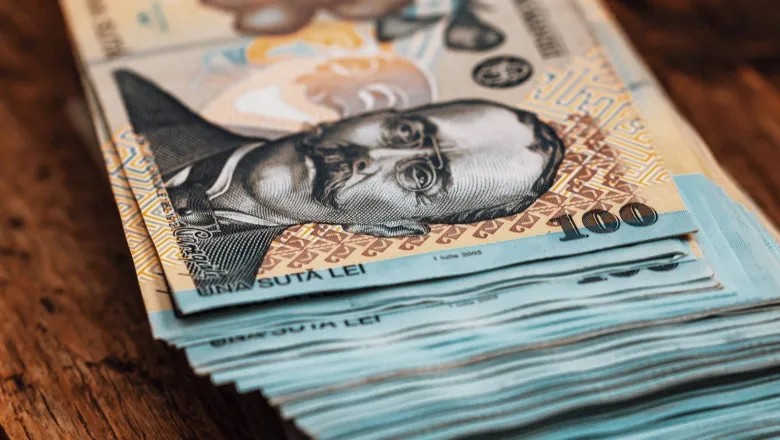
Daniel Dăianu: Romania is not at risk of a downgrade from S&P, but the situation remains serious
2 October 2026
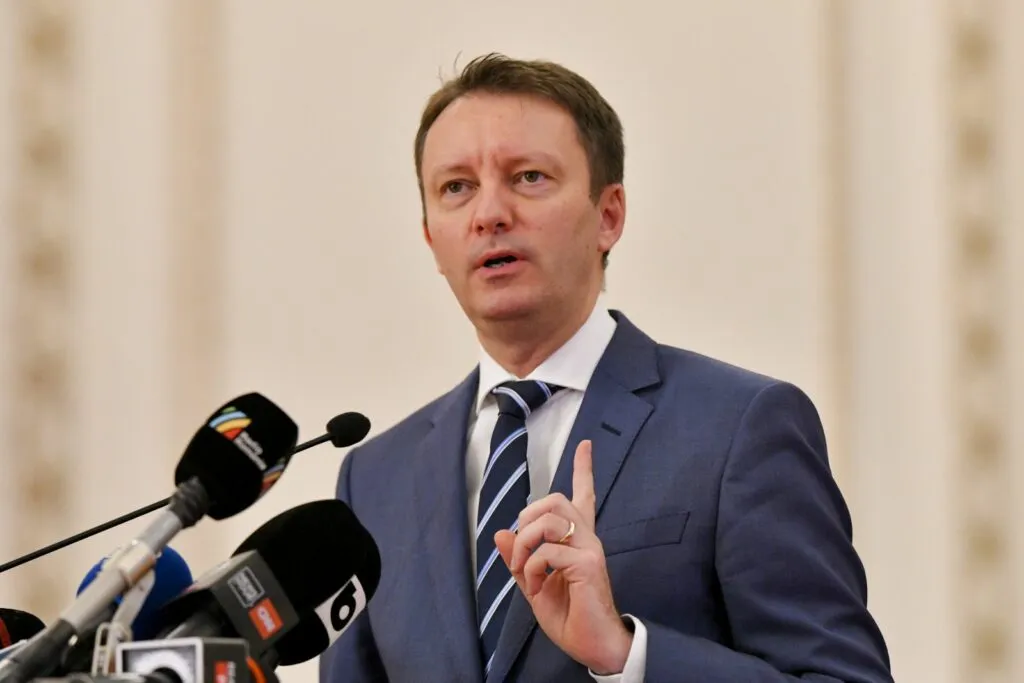
Mureșan blames PSD-AUR for the leu's fall: "They are creating instability and economic uncertainty"
2 October 2026
ROBOR rose to 6.11%, the second consecutive increase. Loan repayments are becoming more expensive
2 October 2026

S&P Decides Romania's Credit Rating Today: What a Potential Downgrade to "Junk" Status Would Mean
2 October 2026

Romanians Are Earning More, but Expenses Are Rising Even Faster. Economists Explain Why
2 October 2026
 Foto ilustrativă
FIDELIS returns in October: interest rates up to 7.75%, special conditions for blood donors
1 October 2026