
West Nile in Romania: 117 cases and 7 deaths reported by INSP this season
INSP reports 117 cases of West Nile virus infection and 7 deaths among elderly people with comorbidities, between 3 June and 30 September. The highest number of cases: Bucharest.
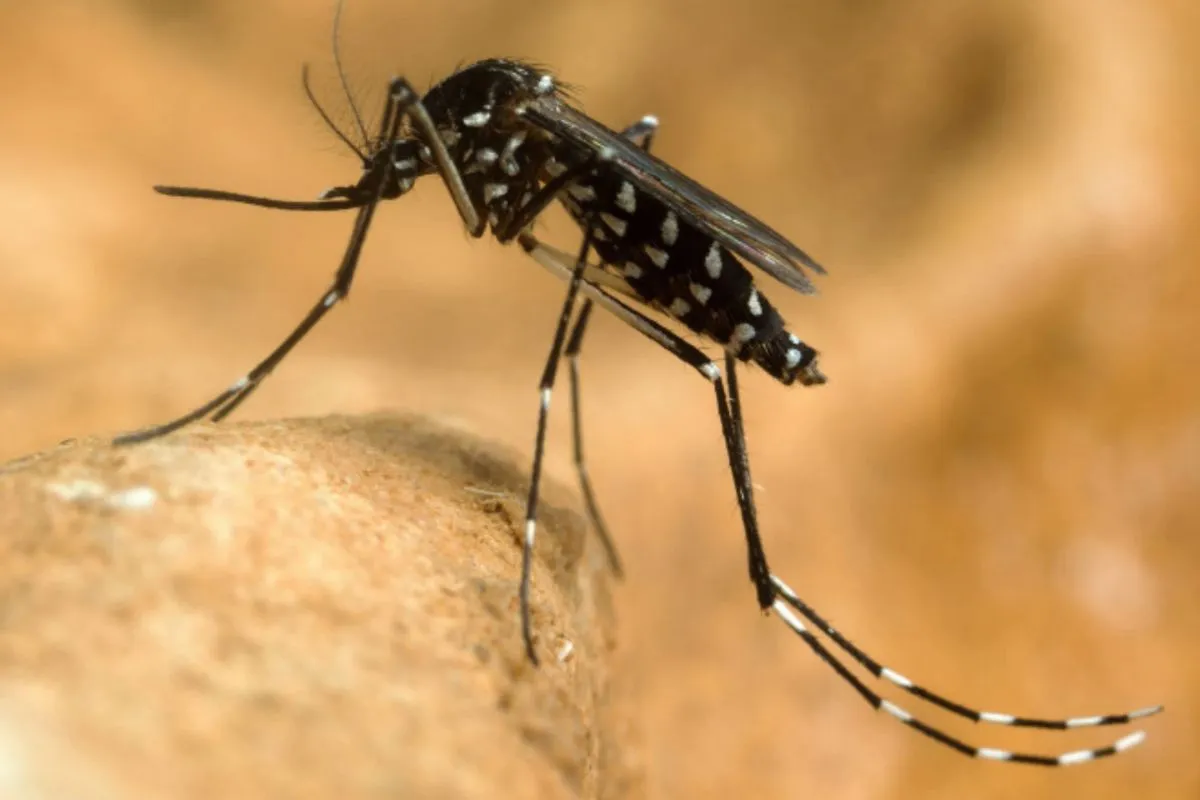
The National Institute of Public Health (INSP) has published a report on West Nile virus infection cases recorded in Romania this season. According to the report from the National Centre for Surveillance and Control of Communicable Diseases (CNSCBT), 117 cases were reported between 3 June and 30 September, of which 105 were confirmed and 12 considered probable.
Seven deaths were recorded during the same period. All of the deceased were elderly and had additional underlying medical conditions (comorbidities).
Most affected age groups
The age distribution shows that the most affected individuals were those aged between 60 and 69, with 32 cases, followed by the 70–79 age group with 26 cases, and the 50–59 age group with 22 cases. A further 14 cases were reported among people aged 80 or over, eight cases in the 40–49 age group, seven cases each in the 20–29 and 30–39 age groups, and a single case in the 15–19 age group.
Of all patients, 50 were women, and 73 cases were reported in urban areas.
Distribution by county
The highest number of cases occurred in Bucharest – 42. This was followed by Ilfov county (12 cases), Giurgiu (11), Călărași and Ialomița (seven each), and Brăila (five cases).
- Teleorman – 4 cases
- Galați, Prahova, Olt – 3 cases each
- Argeș, Cluj, Constanța, Iași, Suceava – 2 cases each
- Bihor, Botoșani, Buzău, Dâmbovița, Dolj, Mureș, Satu Mare, Vaslui, Vrancea – 1 case each
In Harghita county, one case was reported involving a person who had been infected abroad, but the case was attributed to the county of residence.
Recommended protective measures
Specialists recommend reducing exposure to mosquitoes by wearing long-sleeved clothing and long trousers, using repellents and insecticides inside and around the home, and fitting protective screens to windows.
It is also recommended to remove any containers in which stagnant water may collect, drain puddles near households, and dispose of household waste properly, in order to limit the breeding grounds available to mosquitoes.
Content paraphrased and adapted by SeniorHelp from verified public sources.
Original source: Realitatea →Previous article
CNAS: In October, the health card and electronic identity card can be used without a signature
Next article
Flu vaccination has begun: who receives the vaccine for free and who gets a 50% subsidy
Similar news

Microplastics in tap water can be reduced through boiling and filtering, a study shows
16 October 2026

Over 350,000 doses of flu vaccine to arrive in pharmacies next week
16 October 2026

First influenza-related death of this season confirmed by INSP: unvaccinated man from Cluj
16 October 2026

Partial Nephrectomy: The Operation That Treats Kidney Tumours and Preserves the Kidney
16 October 2026

Time spent in nature could improve one's relationship with food, a British study suggests
16 October 2026

What a liver operation involves: preparation and recovery
15 October 2026