
Memory and Attention Training: What Every Family Should Know
Discover how you can support the cognitive health of your parents or grandparents through simple exercises, tailored routines and specialist support for an active and fulfilling life.

Contents
When mum or dad start forgetting where they've put their keys, repeat the same question several times, or can no longer remember the names of neighbours they've known for years, many families feel a natural sense of worry. Is this normal ageing, or should we be concerned? The good news is that memory and attention can be trained at any age, and what you do today for your parent or grandparent can make the difference between an active old age and one marked by isolation and frustration.
The human brain is a remarkable organ, capable of adapting and learning even in later life. Geriatric specialists speak of the concept of neuroplasticity – the brain's ability to form new neural connections through constant stimulation. For families caring for older adults, understanding this mechanism and the practical methods of cognitive training becomes essential.
In this article, we'll explore together the scientifically validated methods for maintaining cognitive health, accessible exercises you can do at home, warning signs that require specialist attention, and how to build a beneficial routine for your loved one, regardless of their age or level of independence.
Contents
- The difference between normal forgetfulness and cognitive decline
- How memory training works in older adults
- Practical exercises for home: from simple to complex
- The role of routine and environment in maintaining attention
- When to seek specialist help
- Nutrition and physical activity: the pillars of cognitive health
- Maintaining motivation and enjoyment in training
- Frequently asked questions
The difference between normal forgetfulness and cognitive decline
Before panicking at the first sign of forgetfulness, it's important to understand that ageing naturally brings cognitive changes. Processing speed slows slightly, and recalling information may take a few extra seconds. This does not automatically indicate a medical problem.
Normal forgetfulness includes episodes such as occasionally misplacing objects, forgetting a recently planned appointment, or struggling to find the right word in conversation. The critical difference arises when these episodes become frequent, affect daily activities, or when the person no longer realises they've forgotten something.
Warning signs that warrant medical attention
- Repeated forgetting of important information (family names, home address, recent major events)
- Difficulty following a conversation or finding one's way in familiar places
- Confusion regarding time, place, or close family members
- Personality changes or withdrawal from previously enjoyed social activities
- Increasing difficulty managing finances or routine household tasks
If you notice these signs, a comprehensive geriatric assessment is essential. Many causes of cognitive decline – from vitamin deficiencies to adverse medication effects – are reversible if detected early.
How memory training works in older adults
Cognitive training is based on a simple principle: use it or lose it. The brain works like a muscle – neural connections that are regularly stimulated remain active and strong, whilst those that are neglected gradually atrophy.
Recent studies show that older adults who participate in structured cognitive activities demonstrate a greater ability to maintain their independence and to delay the onset of decline symptoms. It's not about becoming an expert in mathematics or learning a foreign language from scratch, but about keeping the brain active through challenges tailored to the individual's current level.
Types of memory we can train
Memory is not a single system, but several types working together. Short-term memory helps us retain a phone number for a few seconds. Working memory allows us to follow a recipe or calculate change. Episodic memory stores personal recollections, whilst procedural memory retains automatic skills, such as riding a bicycle.
Each type can be specifically stimulated through dedicated exercises. For example, card games train working memory and attention, whilst discussions about past events stimulate episodic memory.
Practical exercises for home: from simple to complex
You don't need sophisticated equipment or expensive apps to support your loved one's cognitive health. Many of the most effective exercises make use of everyday household objects and moments from daily life.
For memory and attention
- The memory game: Arrange 10–15 objects on a table, allow the person 30 seconds to look at them, then cover them and ask them to recall as many as possible
- Stories from the past: Browse through old photo albums together and ask for details about events, people, and places
- Lists and categories: Ask them to name as many fruits, cities, or professions as they can within one minute
- Card games: Rummy, backgammon, chess, or even simple matching games are excellent for attention
- Reading followed by discussion: Read a short article together and discuss its content
For attention and concentration
- Jigsaw puzzles with large pieces (100–300 pieces, depending on the person's comfort level)
- Spot-the-difference activities between two similar images
- Sorting buttons, beads, or playing cards by colour or type
- Listening to music and identifying the instruments
The key to success is regularity, not intensity. Fifteen to twenty minutes daily is far more effective than a two-hour session once a week. At the Maria-Theresia Șura Mică residential care centre for seniors, for example, the daily programme includes cognitive activities tailored to each resident – from board games to reminiscence workshops – precisely to ensure this consistent stimulation.
The role of routine and environment in maintaining attention
The environment in which an older person lives directly influences their ability to concentrate and remember. A cluttered, noisy, or chaotic space makes it difficult to focus attention, whilst a structured and predictable environment provides a sense of security and reduces cognitive stress.
A daily routine acts as a framework that supports memory. When important activities (meals, medications, rest) take place at the same times each day, the brain learns to anticipate and prepare, reducing the cognitive effort required. This doesn't mean rigidity, but rather a reassuring predictability.
Simple adaptations with a significant impact
- Label cupboards and drawers with their contents (using both text and images)
- Always keep important items (glasses, medications, phone) in the same place
- Use a large, clearly visible calendar with the day's events marked plainly
- Reduce background noise when speaking with the person (turn off the television or radio)
- Ensure good lighting – poor vision also affects concentration
- Create distinct areas for different activities (a reading chair, a table for games)
All of these measures reduce cognitive load – the energy the brain must expend on basic tasks – leaving greater capacity for enjoyable activities and training.
When to seek specialist help
Sometimes, despite your best efforts, the situation becomes overwhelming, or the complexity of your loved one's needs exceeds what home care can provide. Recognising this moment is not a failure, but an act of responsibility and love.
Modern residential care centres, such as the Maria-Theresia Șura Mică residential care centre for seniors in Șura Mică, are no longer simply "care homes" in the traditional sense. They offer structured cognitive maintenance programmes, round-the-clock medical supervision, and – equally importantly – a community of peers that encourages socialisation and activity.
The benefits of a structured programme
A specialist centre offers what is difficult to replicate at home: a multidisciplinary team (geriatric doctors, psychologists, physiotherapists, social workers) collaborating on behalf of each resident. Activities are planned scientifically to train different cognitive areas, from creative workshops to cognitive fitness sessions, from music therapy to interactive games.
Furthermore, the social dimension is essential – older adults who regularly interact with others show lower rates of cognitive decline. Isolation is one of the greatest enemies of brain health in later life.
Signs that you need professional support
- Home caregiving is leaving you physically and emotionally exhausted, affecting your own health
- Your loved one requires constant supervision for their own safety
- Associated medical conditions (diabetes, reduced mobility, behavioural disturbances) are becoming too complex to manage
- The older person's social isolation is deepening despite your efforts
- Cognitive decline is accelerating and you need specialist assessment and intervention
Nutrition and physical activity: the pillars of cognitive health
You cannot train memory through mental exercises alone. The brain needs high-quality fuel and a healthy cardiovascular system to ensure optimal oxygenation.
The Mediterranean diet remains the gold standard for cognitive health: plenty of vegetables and fruit, fish rich in omega-3, olive oil, nuts, wholegrains, and moderate dairy consumption. Avoiding refined sugar and trans fats is just as important as adding beneficial foods.
Key nutrients for the brain
- Omega-3 fatty acids (oily fish, walnuts, flaxseeds) – support neuronal membranes
- Antioxidants (blueberries, spinach, red peppers) – protect cells from damage
- Vitamin B12 (meat, eggs, fortified products) – deficiency causes cognitive problems
- Vitamin D (moderate sun exposure, supplements) – associated with cognitive function
- Adequate hydration – even mild dehydration affects concentration
Movement stimulates the brain
Physical exercise increases blood flow to the brain, stimulates the production of neurotrophic factors (proteins that support neuronal survival), and improves sleep – which is essential for memory consolidation. It doesn't need to be intense: 30 minutes of walking each day works wonders.
Activities that combine movement with cognitive challenge – dancing, tai chi, yoga – are particularly beneficial. In modern care settings, daily programmes invariably include a component of adapted physical activity, precisely because of this synergistic effect.
Maintaining motivation and enjoyment in training
Even the most sophisticated cognitive training programme will fail if the person doesn't want to take part. Motivation comes from pleasure, not obligation. This is why tailoring activities to the senior's personal interests and life history is so important.
If your parent has always loved gardening, train their memory through planning the garden, identifying plants, and recalling past harvests. If they were passionate about cooking, preparing recipes (even just by dictating them) stimulates both procedural and episodic memory.
Strategies for sustaining enthusiasm
- Celebrate small achievements – any improvement deserves acknowledgement
- Vary the activities to avoid boredom
- Make training a social activity – play games together, rather than leaving the person to train alone
- Respect the person's pace and limits – excessive frustration is demotivating
- Connect exercises to pleasant memories and personal identity
Your tone makes all the difference. Avoid adopting the manner of a "teacher" or "examiner". Be a playmate, an interested listener, a curious companion. Laughter and joy are just as important as the exercise itself for cognitive health.
Frequently asked questions
How long does it take to see improvements in my parent's memory?
Progress depends on the starting point and consistency, but most families notice subtle improvements in concentration and mood within 4–6 weeks of regular training. Long-term memory requires months of consistent stimulation.
Are cognitive training apps on phones effective?
They can be useful as a supplement, but they don't replace social interaction and the varied activities of real life. For older adults who aren't familiar with technology, they may generate more frustration than benefit. Traditional games are often more accessible and equally effective.
My grandmother has been diagnosed with Alzheimer's – is memory training still worthwhile?
Absolutely. Although the disease is progressive, adapted training can slow decline, help maintain existing abilities for longer, and improve quality of life. Focus on enjoyable activities that draw on older, stronger memories, rather than on learning new information.
How important are breaks between exercises?
They're essential. The brain consolidates learning during rest. Short sessions (15–20 minutes) with frequent breaks are far more effective than exhausting marathons. Always respect the person's signs of fatigue.
Can cognitive training completely prevent dementia?
There are no absolute guarantees, but evidence shows that a cognitively active lifestyle significantly reduces risk and delays the onset of symptoms. Think of training as an investment in "cognitive reserve" – the greater it is, the better the brain can compensate for any deterioration that may occur.
What should I do if my parent refuses any form of training?
Don't force it. Look for activities that don't feel like "exercises" – conversations about the past, watching favourite programmes together followed by a chat, simple household tasks that involve some planning. Sometimes resistance stems from a fear of failure or a sense of losing independence. Approach the subject with empathy and flexibility.
Maintaining the cognitive health of our loved ones is not a sprint, but a marathon made up of small, consistent, and caring gestures. Every conversation, every card game, every shared memory contributes to building a more active and fulfilling old age. If you feel you need additional support or guidance, don't hesitate to speak with geriatric specialists or to explore options such as modern residential care centres that offer comprehensive cognitive maintenance programmes and personalised care.
This article is intended for informational purposes only and does not replace medical advice. For specific situations, please consult a specialist.
Previous
Caregiver Burnout: Signs to Recognise and How to Ask for Help
Next
Foot Care for the Elderly: Warning Signs and Prevention
Similar articles

Validation Therapy for Elderly People with Dementia: A Guide for Families
13 October 2026

Occupational Therapy at Home for the Elderly: A Complete Guide
11 October 2026
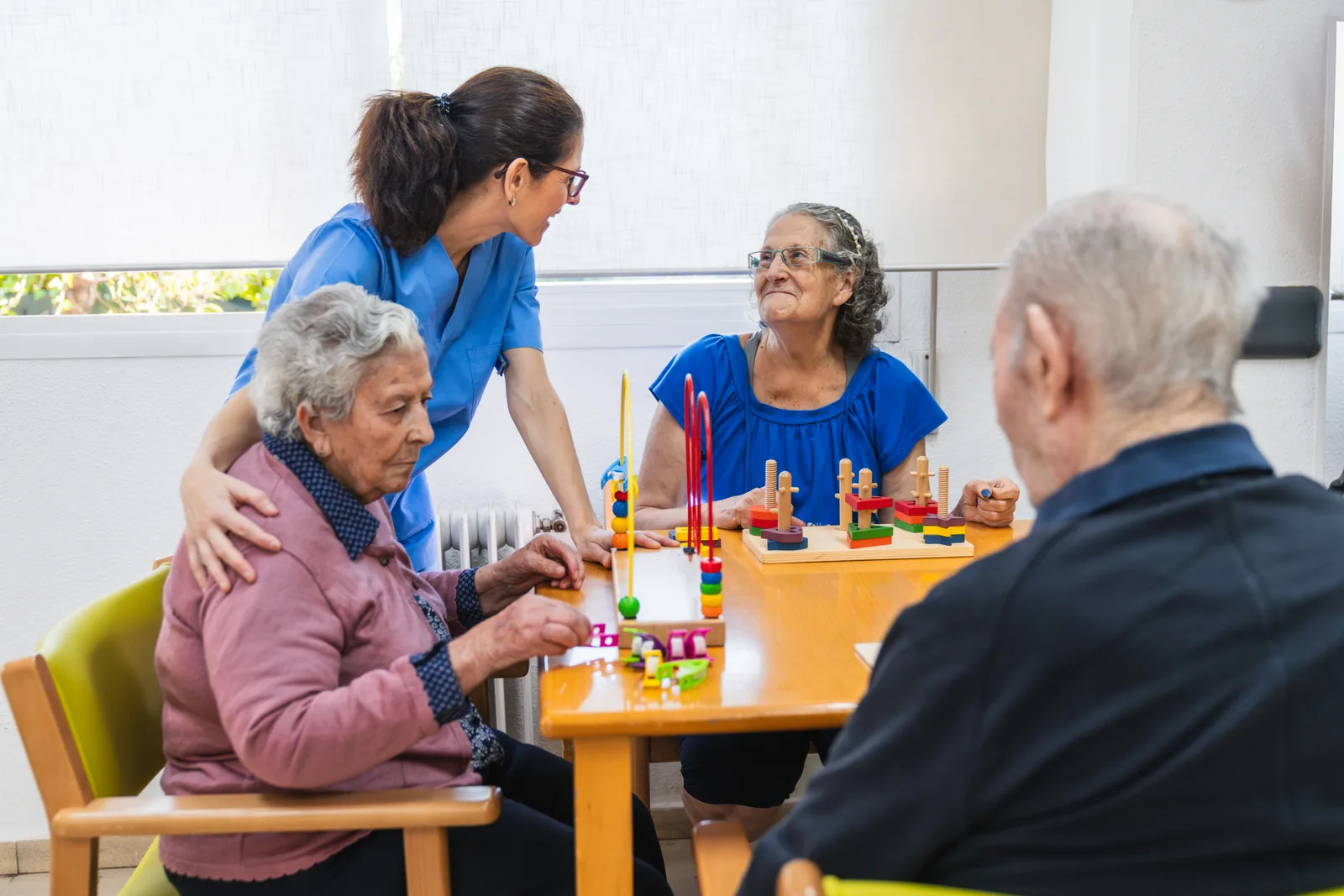
Cognitive Stimulation for Elderly People with Dementia: Practical Home Exercises
6 October 2026
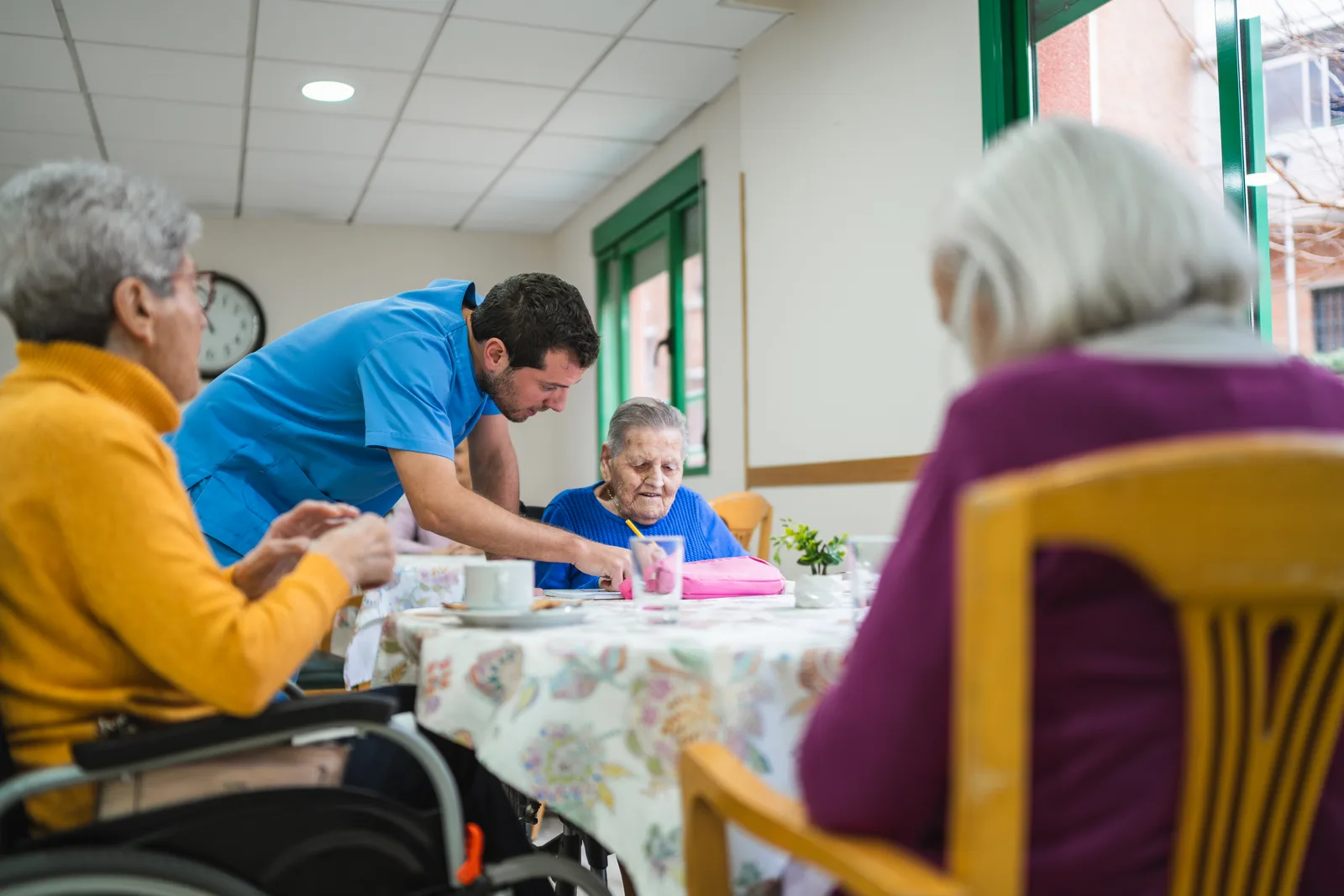
How to Communicate Effectively with the Care Home's Coordinating Physician
3 October 2026

Musical therapy for older adults: how it works and how to introduce it at home
30 September 2026
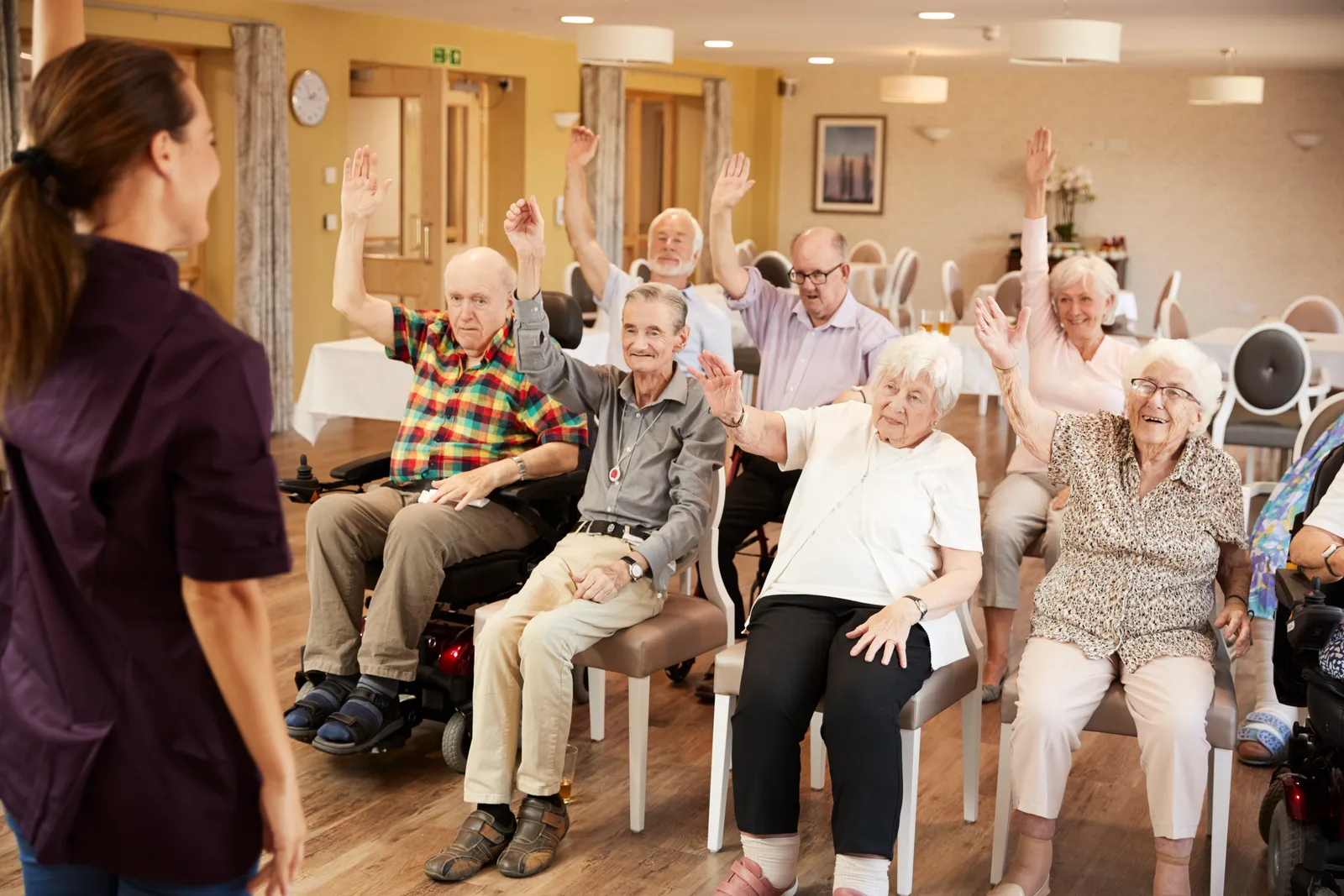
5 practical tips about arthrosis for family carers
29 September 2026