
Support Groups for Carers: Where to Find Them and How They Can Help
Caring for a senior can be overwhelming. Discover where to find carer support groups in Romania and the tangible benefits they bring to your emotional wellbeing.
Contents
When you care day after day for an ageing parent or a partner with a chronic illness, the physical demands are only part of the story. Emotional exhaustion, feelings of isolation, constant anxiety, and the pressure of difficult decisions can become overwhelming. Thousands of families across Romania face the same challenges, yet many don't realise they don't have to cope alone. Support groups for carers exist and can make the difference between complete burnout and the ability to carry on with renewed resources.
In our culture, caring for elderly people is often seen as a matter of honour, and the need for help as a weakness. The reality is that carers need support just as much as the people they care for. Statistics show that the majority of family carers experience high levels of stress, and many go on to develop physical and mental health problems if they don't receive adequate support. The good news is that support options in Romania have grown significantly, and access to specialist groups is becoming increasingly straightforward.
This article will show you where to find these resources, what you can concretely expect from a support group, and how to take your first step – today – towards more sustainable care for both yourself and your loved one.
Contents
- What a carer support group is and why your emotional wellbeing matters
- Types of support groups available in Romania
- How to find the right group for your situation
- What actually happens in a group session
- What you can practically gain from a support group
- Signs that you need support right now
- A concrete first step you can take today
- Frequently asked questions
What a carer support group is and why your emotional wellbeing matters
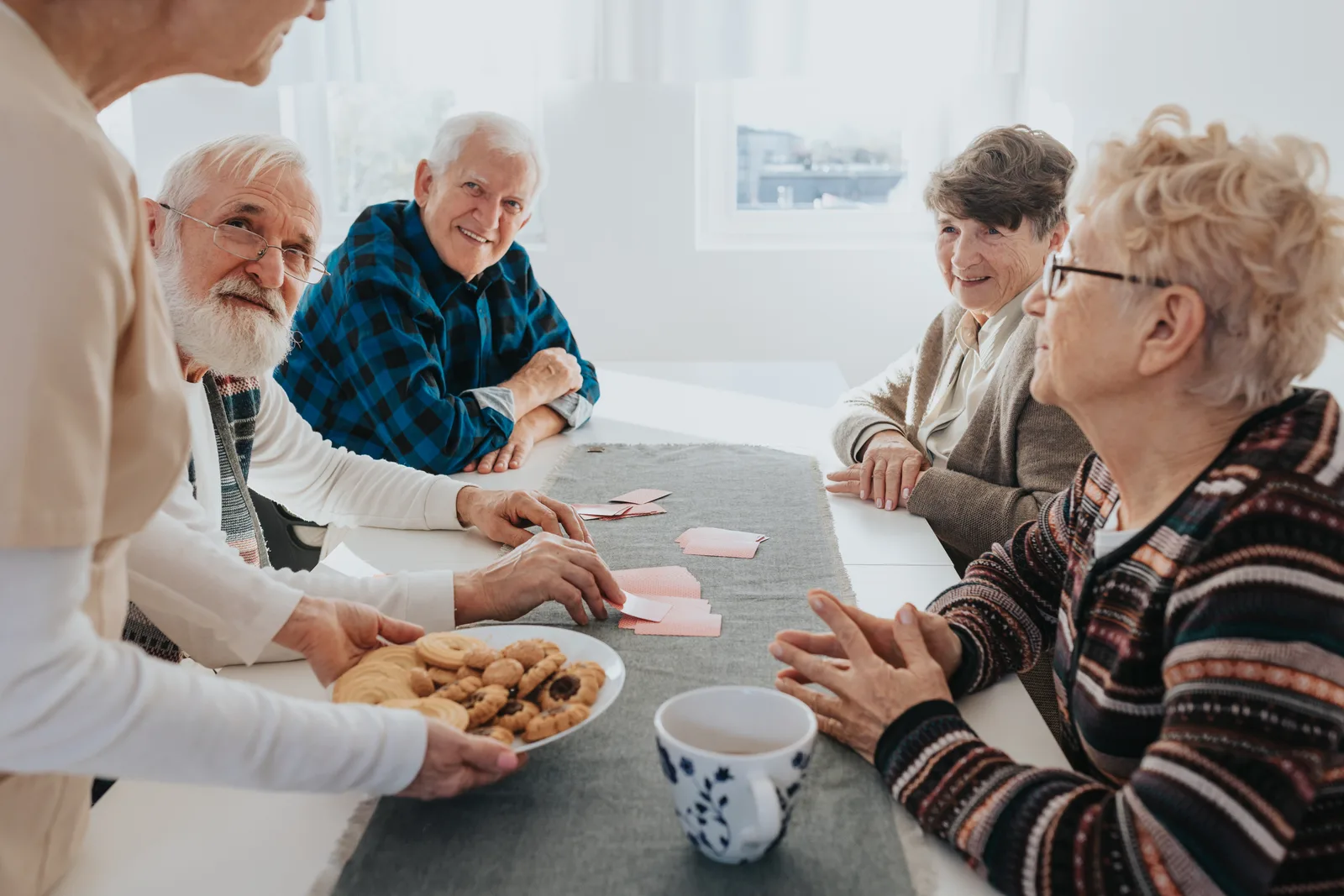
A carer support group is a safe space where people going through similar experiences come together to share challenges, solutions, and mutual encouragement. It may be led by a professional facilitator – a psychologist, social worker, or counsellor – or it may operate on a peer support basis, where participants support one another under the guidance of an experienced volunteer.
Why is it so important to think about yourself too? Because you cannot provide quality care if you yourself are exhausted. A carer's emotional wellbeing directly affects the quality of life of the person being cared for. Carers who receive no support frequently experience burnout syndrome, depression, anxiety, and a decline in their own physical health.
Why groups work differently from other forms of help
A support group doesn't replace individual therapy or professional counselling, but it offers something unique: validation of your experiences by people who know exactly what it means to care for an elderly person. In these groups, you don't have to explain why you're tired or justify your conflicting emotions. The other members understand instinctively, because they live the same daily reality.
- You reduce the feelings of isolation and loneliness that are common among carers
- You receive practical advice that other carers have tested in real situations
- You learn strategies for managing stress and practising self-care
- You discover resources and services you weren't aware of
- You find positive role models – carers who have found balance
Types of support groups available in Romania
The landscape of carer support groups has diversified considerably in recent years. Depending on your location, schedule, and specific needs, you have several options to choose from.
In-person groups
Face-to-face meetings, typically held monthly or fortnightly, are organised in hospitals, community centres, NGO premises, or religious spaces. These offer the advantage of direct human contact and the opportunity to build deeper relationships between participants. Organisations such as Asociația Alzheimer România, Hospice Casa Speranței, and local foundations in larger cities run groups of this kind.
Online groups
Virtual platforms have become essential, particularly for carers who cannot leave the person in their care alone. Groups on Zoom, Facebook, or specialist platforms allow participation from the comfort of home, at more flexible times. Many of these operate continuously, offering round-the-clock access to the community, even when structured meetings are scheduled at set times.
Condition-specific groups
The most effective groups are often thematic ones, dedicated to carers of people with particular conditions:
- Groups for carers of people with dementia or Alzheimer's disease
- Groups for carers of oncology patients
- Groups for carers of people with severe disabilities
- Groups for carers of people with chronic illnesses (Parkinson's disease, diabetes, heart failure)
- Groups for carers of people at end of life (palliative care)
Groups organised by medical institutions versus NGOs
Hospitals and medical centres sometimes offer groups led by professionals from their own teams – medical psychologists, social workers, or doctors. These have the advantage of direct medical expertise but may feel more formal. NGOs tend to offer a more relaxed environment, often based on peer support models, where the facilitator may themselves be a former carer.
How to find the right group for your situation
Not every group works for everyone. Finding the right one requires asking yourself a few key questions beforehand.
Identify your specific needs
Your situation is unique. A carer for someone with advanced-stage dementia faces very different challenges from someone caring for a parent with limited mobility but intact cognitive abilities. Look for groups that specialise in the specific condition, as the advice and understanding you receive will be far more relevant.
- What condition does the person you're caring for have?
- Are you caring for them at home or in an institution?
- Are you the sole carer, or do you share responsibilities with others?
- What are your greatest challenges: physical, emotional, financial, or administrative?
Where to look in practice
Start with local resources and expand gradually if needed. Here are some concrete directions:
- Ask at your GP surgery or the geriatrics ward of your local hospital
- Contact national NGOs such as Asociația Alzheimer România, Hospice Casa Speranței, or Salvați Copiii (for carers of young adults with disabilities)
- Search Facebook for local carer groups in your area
- Check community centres or social assistance directorates in your area
- Ask the hospital social worker if the patient has been admitted recently
Try before you commit
Most groups allow you to attend a first meeting without any obligation. Take advantage of this opportunity to see whether the atmosphere, structure, and participants feel right for you. Don't be discouraged if the first group isn't a good fit – try another until you find a setting where you feel comfortable opening up.
What actually happens in a group session
If you've never attended before, it's natural to be curious or even anxious about what to expect. Whilst every group has its own dynamic, most meetings share several common elements.
A typical session structure
A meeting usually lasts between 60 and 90 minutes and follows a fairly predictable format:
- Opening and introductions: participants introduce themselves briefly, and new members are welcomed
- Setting the topic: either predefined by the facilitator, or participants propose pressing subjects
- Sharing and discussion: everyone has the opportunity to speak if they wish, without pressure
- Tips and resources: members share solutions that have worked for them
- Closing: a recap and confirmation of the next meeting
Rules and confidentiality
Reputable groups operate under clear confidentiality rules: what is discussed in the group stays in the group. No one is obliged to speak if they don't feel ready, and there is no judgement for the emotions or decisions shared. Emotional safety is the number one priority.
Topics that may be discussed include feelings of frustration, guilt about thoughts of placing a loved one in a care home, physical exhaustion, family conflicts related to care, financial pressures, the difficulty of managing challenging behaviours, and fear of what lies ahead.
What you can practically gain from a support group
The benefits of a support group go well beyond pleasant conversation. Here is what regular participants report as concrete gains:
Practical learning from others' experience
You gain access to solutions tested in real situations: from how to adapt the bathroom for safety, to how to communicate with a parent with dementia, how to negotiate with doctors, or how to organise paperwork for a disability assessment. This information is worth more than hours of searching online.
Reduced social isolation
Long-term caring can become deeply isolating. Friends and acquaintances, however well-meaning, often fail to grasp the true depth of the challenges involved. In a group, you find people who genuinely understand, without having to explain yourself every single time.
Emotional validation and normalisation
Discovering that someone else has felt the same overwhelming frustration, or the same guilt for wanting even one day off, can be extraordinarily liberating. Negative emotions don't mean you're a bad carer – they mean you're human.
- The guilt about needing breaks diminishes
- You are given permission to acknowledge your own limits
- You learn that self-care is not selfishness, but necessity
- You build confidence in your own caring decisions
Access to resources and services
Group members share information about local services, trusted providers, respite programmes, day facilities for elderly people, funding sources, and medical equipment. These peer-to-peer recommendations are often more reliable than commercial advertising.
Signs that you need support right now
Many carers put off seeking help until they reach the very edge of burnout. Here are some warning signs that you need support:
- Constant exhaustion that doesn't improve even after rest
- Increased irritability towards the person you're caring for or other family members
- Neglecting your own health: postponing medical check-ups, not taking your medication, skipping meals
- Social withdrawal: declining invitations, isolating yourself from friends and family
- Feelings of helplessness or hopelessness about the future
- Persistent sleep difficulties or significantly changed appetite
- Frequent thoughts that you can't cope, or that you want to escape
If you recognise yourself in three or more of these signs, don't wait any longer. Asking for help is not a sign of weakness – it is a sign of wisdom and responsibility towards both yourself and the person you care for.
The myth of the superhero carer
Our culture promotes the image of the self-sacrificing carer who never complains and endures everything. The reality is that sustainable care requires an entire community, not a single exhausted hero. Accepting help does not make you less devoted – it makes you wiser and more effective in the long run.
A concrete first step you can take today
We know that when you're caring for an elderly person, free time is a rare luxury. But your first step doesn't have to be complicated or time-consuming. Here is what you can do right now:
Search within your local community
Spend 15 minutes searching on Google: "carer support group [your city]" or "Alzheimer association [your county]". Write down 2–3 contacts and put a reminder in your calendar to ring tomorrow. Even a simple phone conversation with an organiser can be reassuring.
Try an online group as a first step
If leaving the house is impossible right now, Facebook groups dedicated to carers can be a good starting point. Even if you simply read others' experiences without posting, you'll see that you're not alone. Many organisations also hold regular Zoom sessions – no travel is required, and they can be accessed even late in the evening.
Speak with your doctor or social worker
At the next medical appointment for the person you care for, ask whether they know of any carer support groups. Most healthcare professionals keep lists of local resources and can offer you personalised recommendations.
- Identify an accessible group (online or local)
- Contact the organiser and ask about the format, schedule, and any costs
- Mark the date of your first attendance in your calendar
- Arrange cover for the duration of the session (a neighbour, friend, or respite service)
- Attend with an open mind, without any pressure to speak if you're not ready
The first step is always the hardest, but it can also be the most transformative. You deserve support just as much as the person you care for.
Frequently asked questions
Does it cost money to attend a carer support group?
Most carer support groups organised by NGOs, hospitals, or community centres are entirely free of charge. Some private groups led by psychologists may charge a nominal fee, but this is usually affordable. Online groups are almost always free.
Do I have to talk about my problems in front of everyone?
Not at all. In support groups, there is absolutely no obligation to speak if you don't feel ready. Many people attend for weeks, simply listening, before they feel comfortable enough to share. Listening to others' experiences is in itself therapeutic and valuable.
How long do I have to commit to attending?
There is no long-term commitment required. You can attend a single session to see whether the group suits you, or you can become a regular member. Each participant comes as often as they need and are able to – there is no pressure or judgement for absences.
What if there are no groups in my small town?
Online groups are an excellent solution for rural areas or smaller towns without local resources. You can also contact national organisations that offer telephone counselling or can help connect you with other carers nearby to form an informal group.
How do I know whether a group is credible and professional?
Quality groups have an identifiable facilitator (a psychologist, social worker, or trained experienced carer), clear confidentiality rules, a consistent schedule, and are affiliated with a recognised organisation. Ask about the facilitator's qualifications and how the session is structured before committing.
Can I attend if I'm caring for an elderly person in a care home rather than at home?
Absolutely. Caring doesn't stop when an elderly person moves into an institution – the emotional responsibilities, difficult decisions, and feelings of guilt continue. Many groups specifically include carers who have made the transition to institutional care and can offer valuable support for this experience.
Care begins with you
Caring for an ageing parent or a partner with a chronic illness is one of the most demanding roles in life. You don't have to do it alone, and you shouldn't have to. Carer support groups exist to remind you that there is a community that understands, that wants to help you, and that can make the difference between burnout and resilience. The first step may feel daunting, but thousands of carers who have taken it before you can confirm: it is worth it. If you want to preserve your health, your energy, and your ability to provide care with love over the long term, look for a support group today. Your emotional wellbeing matters – for your sake and for those you love.
This article is for informational purposes only and does not replace medical advice. For specific situations, please consult a specialist.
Previous
How to Communicate Effectively with the Care Home's Coordinating Physician
Next
How to Manage Nutrition for an Elderly Person with Dysphagia at Home
Similar articles
Polypharmacy in the Elderly: What Families Need to Know
16 October 2026

Caregiver Burnout: Signs to Recognise and How to Ask for Help
15 October 2026
Foot Care for the Elderly: Warning Signs and Prevention
14 October 2026

Sleep Disorders in Seniors: When and How to Seek Help
13 October 2026

Osteoporosis and Bone Health — An Essential Guide for Carers
13 October 2026
Validation Therapy for Elderly People with Dementia: A Guide for Families
13 October 2026