
CNAS Warns Over Spending on Hospitals and Subsidised Medicines
CNAS proposes changes to hospital funding and encourages the use of generic medicines, warning that without action, "significant consequences" may arise.
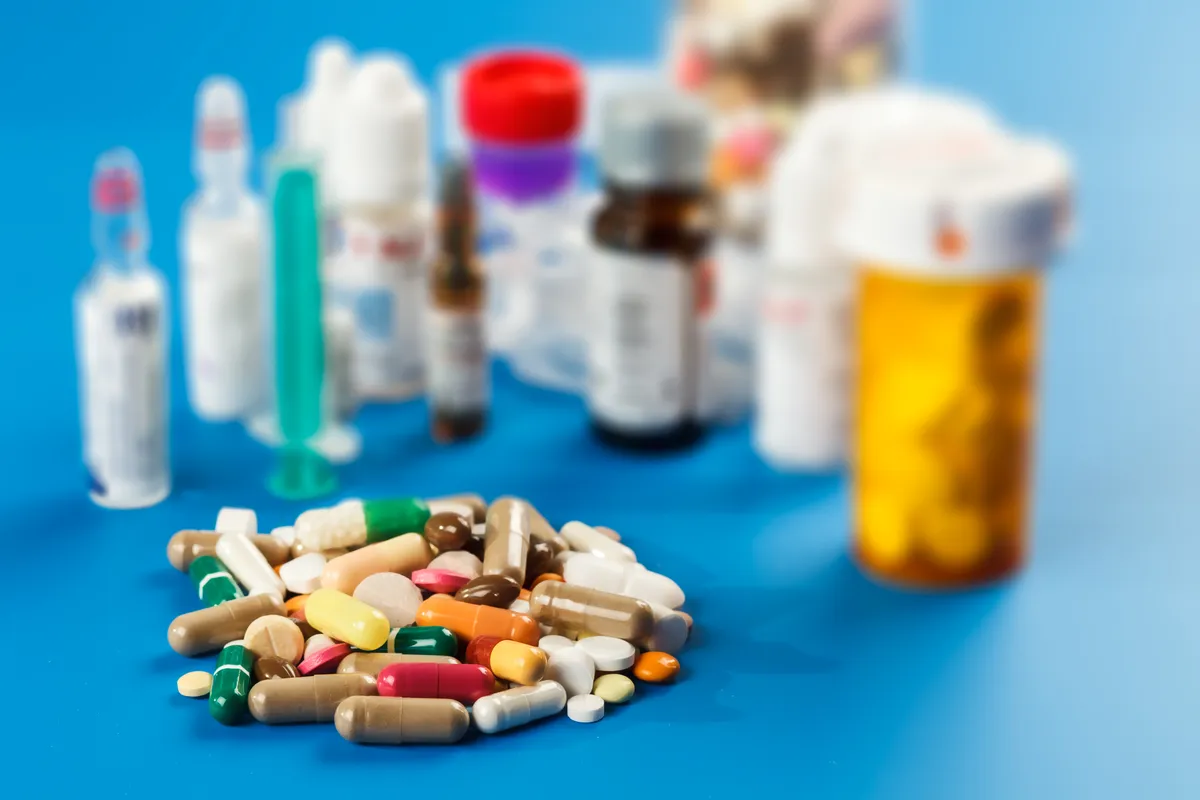
The National Health Insurance House (CNAS) issued a press release on Friday evening stating that hospitals and subsidised medicines represent the largest expenditures from the National Unique Fund for Social Health Insurance (FNUASS). The institution warns that, without corrective measures, the situation could lead to "significant consequences".
According to CNAS, hospital medical care has accounted for approximately 45% of healthcare expenditure from the FNUASS budget both currently and in previous years, whilst subsidised medicines have accounted for around 33%. Over time, imbalances have emerged in the funding of these two areas.
The hospital situation
CNAS explains that, since 2015, salary increases for staff in public hospitals have been supported through the institution. The amounts allocated for this purpose have grown both in value and as a proportion of hospital funding, to the point where funding for salary increases has become equal to funding for medical services provided to inpatients.
According to CNAS, this dual funding system "does not encourage the provision of medical services for patients' benefit, distorts payment per resolved case" and discourages competition between medical facilities.
The solution currently being developed is to incorporate the funding of salary increases directly into the payment-per-resolved-case system, with a corresponding increase in tariffs for hospital medical services.
The medicines situation
CNAS reports that year on year, consumption of medicines funded through FNUASS has grown by as much as 20%. As a result, in 2025 the value of medicines provided to patients was 2.5 times higher than in 2015.
The institution emphasises that this rate of growth is unsustainable, as revenues to the FNUASS budget — derived principally from insured persons' contributions — are not growing at the same pace. According to CNAS, innovative medicines account for more than 80% of the total value of medicines provided to insured persons, despite representing only 48% by volume of all medicines funded through the fund.
As a solution, CNAS proposes encouraging the prescribing of cheaper generic and biosimilar medicines in place of innovative ones, in cases where this is medically appropriate. The institution states that "there are no clinical, safety or efficacy differences between generic/biosimilar versions of medicines and their originator counterparts, but there are significant differences in price".
CNAS also considers it necessary to amend the legal regulations governing medicine pricing and their inclusion on the subsidised medicines list. The institution warns: "Otherwise, Romania will be paying increasingly higher prices for medicines for an ever-smaller number of patients until a deadlock is reached, in the sense that new patients will no longer be able to begin treatment".
Reaction from the CNAS President
The President of CNAS, Assoc. Prof. Dr Horațiu-Remus Moldovan, stated: "The logic behind these solutions is not to close hospitals or restrict access to medicines, as some individuals who are not well acquainted with the funding mechanisms are mistakenly circulating in the public sphere, but quite the opposite — to stimulate hospital performance and to broaden access to medicines, for the benefit of patients." He added: "It is evident that, given inevitably limited financial resources (CASS at 10%, compared with around 15% in Germany, for example), maximum benefit is achieved by using every available leu efficiently".
Background and reactions
Interim Prime Minister Ilie Bolojan stated on Wednesday evening, according to News.ro: "instead of having a very expensive medicine that does much the same thing, you could have a medicine and a half, or two generic medicines — some of which are produced in Romania — that resolve the same problems and allow greater patient access".
The statement was criticised by patient associations, who sent a letter to the Prime Minister pointing out that the problem in Romania is not solely the cost of medicines, but also supply disruptions and market withdrawals. "A medicine that is accessible only on paper treats no one," the associations warned, adding that a healthcare system does not become more efficient when it makes savings on paper but leaves patients without the treatment they depend on.
Content paraphrased and adapted by SeniorHelp from verified public sources.
Original source: Digi24 →Previous article
September Pensions at Risk Following Strike Threat at the Pension House
Next article
West Nile Virus Confirmed in 12 European Countries, Including Romania. ECDC Warning
Similar news

EU Prepares New Civil Protection Mechanism, with Measures for Seniors and Vulnerable People
4 October 2026
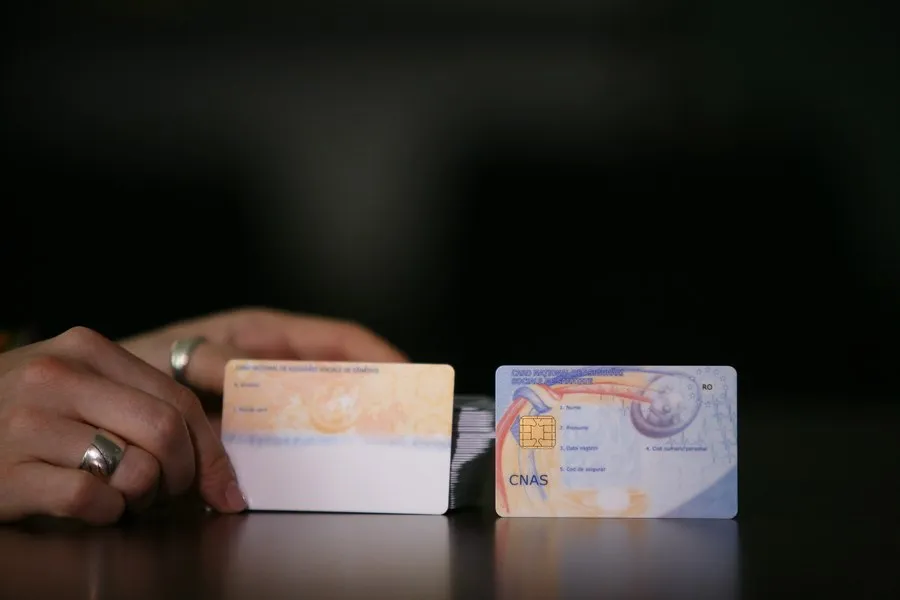
Both the health card and the new Identity Card can be used at the doctor's in October
2 October 2026
 Foto ilustrativă
CNAS: In October, the health card and electronic identity card can be used without a signature
2 October 2026
AUR proposes a public registry of hospital infections, updated monthly
1 October 2026
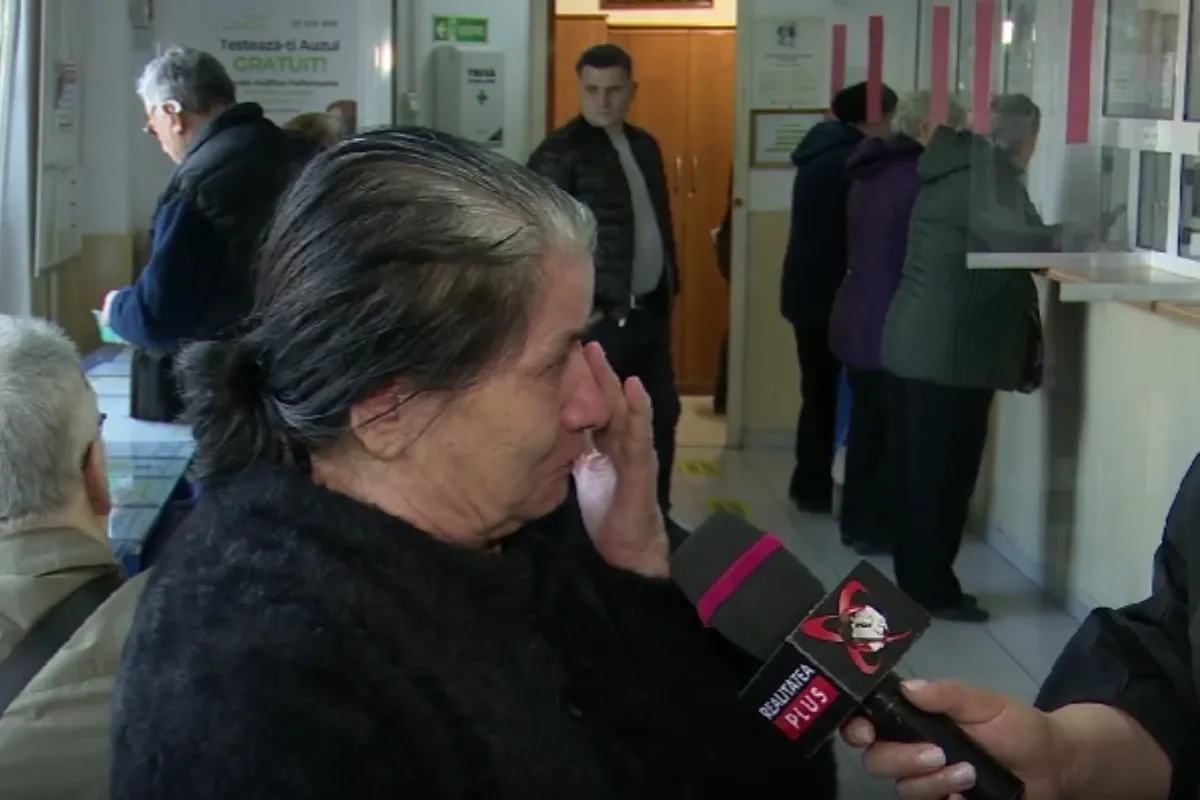
Pensioners' protest: "I don't have enough money even for medicine"
30 September 2026
 Foto ilustrativă
Alexandru Nazare: pensions could be "prudently" indexed from 1 January 2027
29 September 2026