
Winter Time and the Body: What Studies Show About Sleep, Energy and Health
Recent studies show that the switch to winter time affects sleep less than the spring change, but it can bring temporary fatigue and difficulties in adjusting.
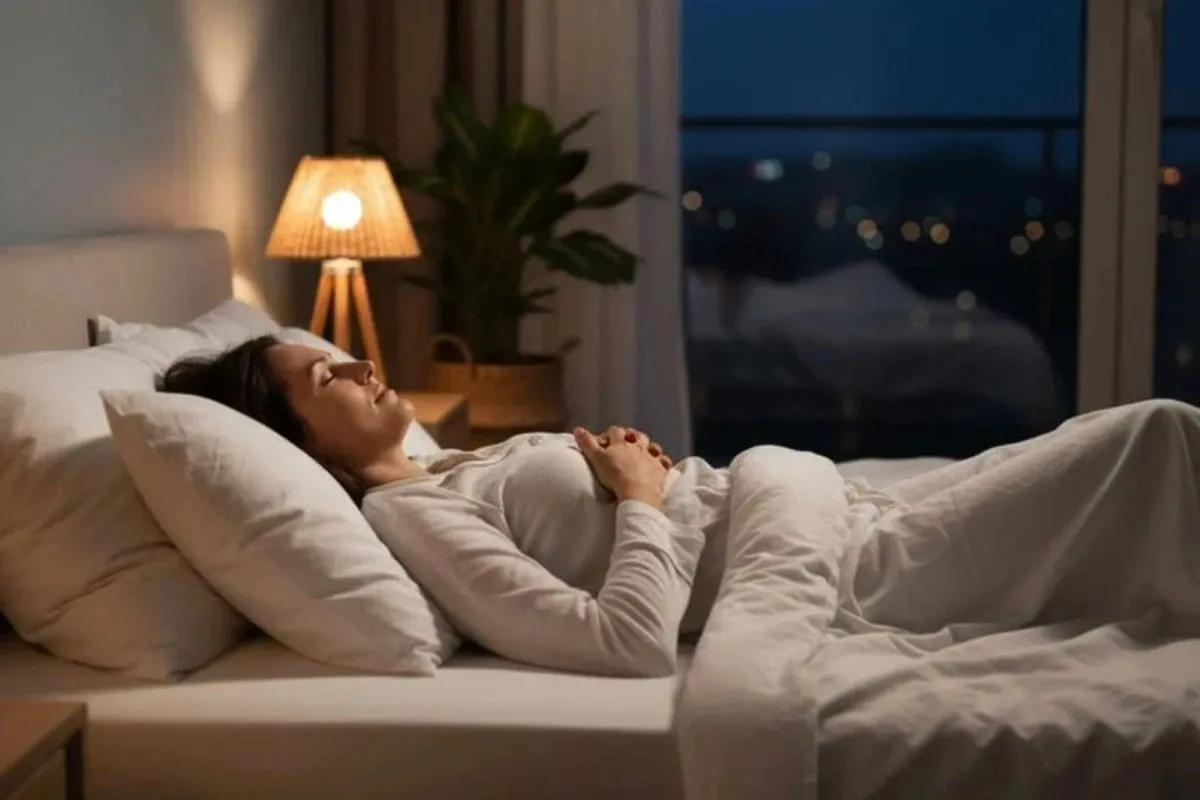
The switch to winter time, when clocks go back by one hour, is generally considered the easier of the two annual time adjustments. In theory, people gain 60 minutes of sleep. In reality, the body does not adapt instantly, because the circadian rhythm (the biological clock) is regulated primarily by the alternation of light and darkness, not by the time displayed on a clock.
A systematic review published in 2025, which evaluated 27 studies, found more pronounced effects on sleep duration and quality following the switch to summer time (in spring), particularly in individuals with an evening chronotype, compared with the return to standard time (in autumn).
Why a single hour's change affects us
The brain uses information about light to regulate the sleep-wake cycle. When the clocks change, social schedules shift abruptly, whilst the biological rhythm needs time to resynchronise.
Winter time versus summer time
In spring, one hour effectively disappears from the night, whilst in autumn that hour is repeated — the day of the change has 25 hours. The 2025 review identified more clearly negative effects on sleep following the switch to summer time, whilst the findings for the return to standard time are less consistent. Nevertheless, some people may need a few days to adjust to the new schedule in autumn as well.
What happens to sleep
Following the return to standard time, the following may occur:
- drowsiness at certain times of day;
- waking earlier than usual;
- temporary difficulty falling asleep;
- a sense of fatigue;
- changes in the timing of hunger;
- difficulty concentrating during the first few days.
A study examining both the spring and autumn transitions observed changes in sleep and neurocognitive performance following the clock change, including sleep disturbances during the adjustment period. However, not everyone responds in the same way.
Who feels the change most strongly
People with irregular sleep schedules, those who work shifts, sleep few hours, or have variable routines may find the adjustment period more challenging. Chronotype matters: the 2025 review found more pronounced sleep effects in individuals who are active in the evenings, especially after the switch to summer time. Children and adolescents may also be more sensitive, as sleep plays an important role in development, learning, and emotional regulation.
The role of natural light
After the clocks go back, mornings become brighter and evenings darker. From a biological standpoint, standard time is closer to the natural solar light cycle than maintaining summer time permanently. The American Academy of Sleep Medicine advocates for permanent standard time, arguing that it aligns more closely with circadian biology and supports more appropriate exposure to morning light — this represents a specialist position, not a general consensus.
Cardiovascular risks
A 2024 meta-analysis, which included 12 studies from ten countries, estimated a relative risk of acute myocardial infarction approximately 4% higher following the switch to summer time. For the autumn return to standard time, the estimate was approximately 2%, but this result was not statistically conclusive. The data therefore more clearly support an association for the spring transition than for the autumn one. These are population-level statistical findings and do not mean that the clock change will cause a heart attack in any given individual.
What large-scale analyses show
An epidemiological review bringing together 157 studies from 36 countries found no evidence that the clock change is exclusively harmful. The switch to summer time was associated, in some studies, with more heart attacks and fatal road accidents, whilst the return to standard time in autumn was associated, in other research, with decreases in overall mortality and workplace accidents. The findings are, however, heterogeneous, and the evidence base does not permit definitive conclusions. The same review did not identify clear or consistent effects on mental health.
How to adjust more easily
Specialists recommend:
- maintaining a regular sleep schedule, with consistent bedtimes and wake times;
- exposure to natural light in the morning, through a walk or time spent outdoors;
- avoiding excessive sleep recovery at weekends;
- avoiding entering the clock change already fatigued;
- keeping a consistent schedule for meals and physical activity.
A brief period of poorer sleep or fatigue is not, in itself, a cause for concern. If problems persist, are severe, or recur frequently — persistent insomnia, marked daytime drowsiness, significant difficulty concentrating — it is advisable to discuss them with a doctor, without automatically attributing every sleep problem to the clock change.
The research conclusion: winter time may produce temporary effects on the body, but there is no evidence that the return to standard time is, in itself, a major health risk for people without other underlying conditions. The best-documented effects remain those on sleep and the circadian rhythm, and research indicates that the switch to summer time appears to cause more pronounced disruption than the autumn return to standard time.
Content paraphrased and adapted by SeniorHelp from verified public sources.
Original source: Realitatea →Previous article
Health 2025: Romanians paid 130 billion RON, over a quarter directly out of pocket
Next article
Recurring heartburn can be a sign of gastro-oesophageal reflux disease
Similar news
He Survived Colon Cancer Three Times. He Hid the First Sign for Years
13 October 2026

DXA Osteodensitometry: how bone density and fracture risk are assessed
13 October 2026

Chronic inflammation can damage the heart before symptoms appear, shows a study of 488,000 people
13 October 2026

Hepatitis A in Constanța: 23 outbreaks, 130 cases, under DSP monitoring
12 October 2026
 Foto ilustrativă
GPs warn: flu vaccination should not be delayed
11 October 2026

GPs recommend flu vaccination before the epidemic spreads
11 October 2026