
EU Prepares New Civil Protection Mechanism, with Measures for Seniors and Vulnerable People
The Public Health Committee of the European Parliament has voted on the new Civil Protection Mechanism, which includes the rapid transfer of patients and special protection for the elderly.
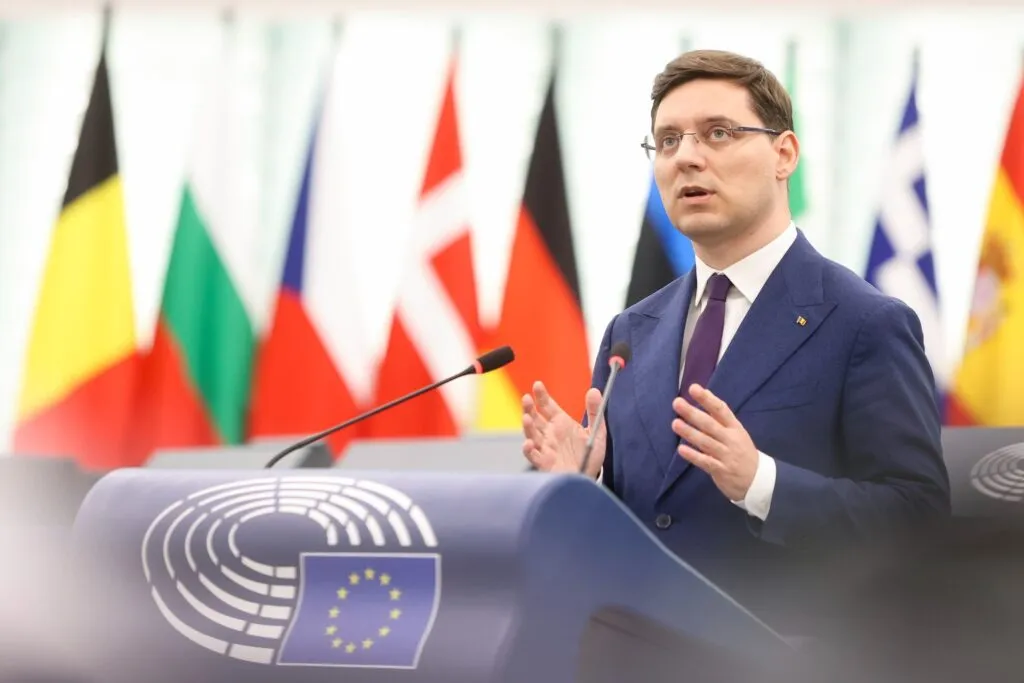
The Public Health Committee of the European Parliament has voted on the new European Union Civil Protection Mechanism, a document designed to strengthen the way member states respond in crisis situations. Victor Negrescu, Vice-President of the European Parliament, announced that several proposals he championed have been included in the adopted text, among them the rapid transfer of patients between countries, the protection of vulnerable persons, and public preparedness for disasters.
Faster patient transfers between EU countries
One of the measures included aims to improve the transfer of patients between member states when national health systems are overstretched. The proposal involves coordinating medical transport, establishing medical evacuation hubs, and ensuring continuity of treatment for patients moved from one country to another. The initiative also seeks to support medical teams deployed in other member states, as well as closer cooperation between specialist medical centres across Europe.
Special attention for children, older people and persons with disabilities
The Mechanism aims to reduce disparities between European regions in terms of their capacity to respond to disasters and health emergencies, with a particular focus on isolated areas, regions with limited resources, and those situated near conflict zones.
Among the proposed measures is the protection of children, older people and persons with disabilities, through accessible warning, evacuation and shelter systems specifically designed to meet the needs of these groups. According to Victor Negrescu, education on risks and disasters should be introduced from school level and within communities.
Solutions for healthcare staffing shortages
The proposals championed by the MEP also include measures intended to address the shortage of medical personnel in European Union member states.
Victor Negrescu stated: "These measures can make a real difference for a patient in need of an urgent transfer, for a community whose emergency services are overwhelmed, or for a child, an elderly person, or a person with a disability who must not be left behind in a crisis situation. The pandemic, wildfires, floods, and the war on the European Union's border have shown us that no country can face every crisis alone. That is why I have insisted that the new European mechanism must mean more than procedures and coordination on paper. It must mean real response capacity, solidarity between states, and assistance that reaches people swiftly when every minute counts."
Content paraphrased and adapted by SeniorHelp from verified public sources.
Original source: Mediafax →Previous article
Romania Has 2.5 Times More Cardiovascular Deaths Than the EU Average. The Warning Signs You Should Not Ignore
Next article
How to Choose the Right Pillow for Sleep. Signs That It Needs Replacing
Similar news
 Foto ilustrativă
Patients with chronic illnesses warn they risk running out of treatments. Appeal to authorities
14 October 2026
 Foto ilustrativă
Crisis hits the state budget: 20,000 social care employees risk going without pay
14 October 2026
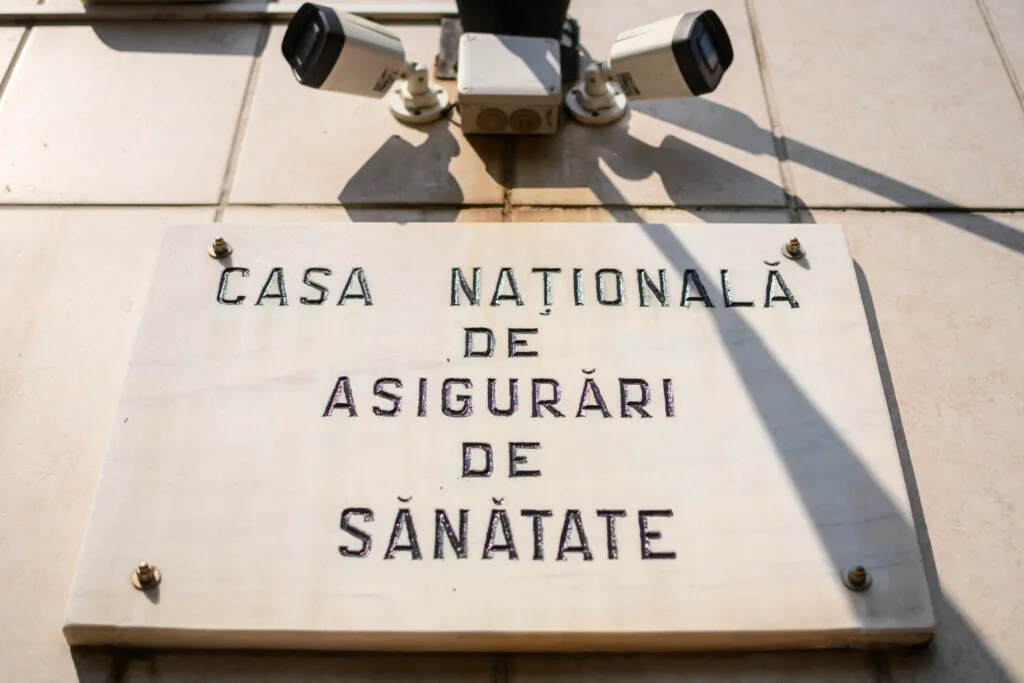
CNAS Opens Competition for 16 Director General Positions at Health Insurance Houses
14 October 2026
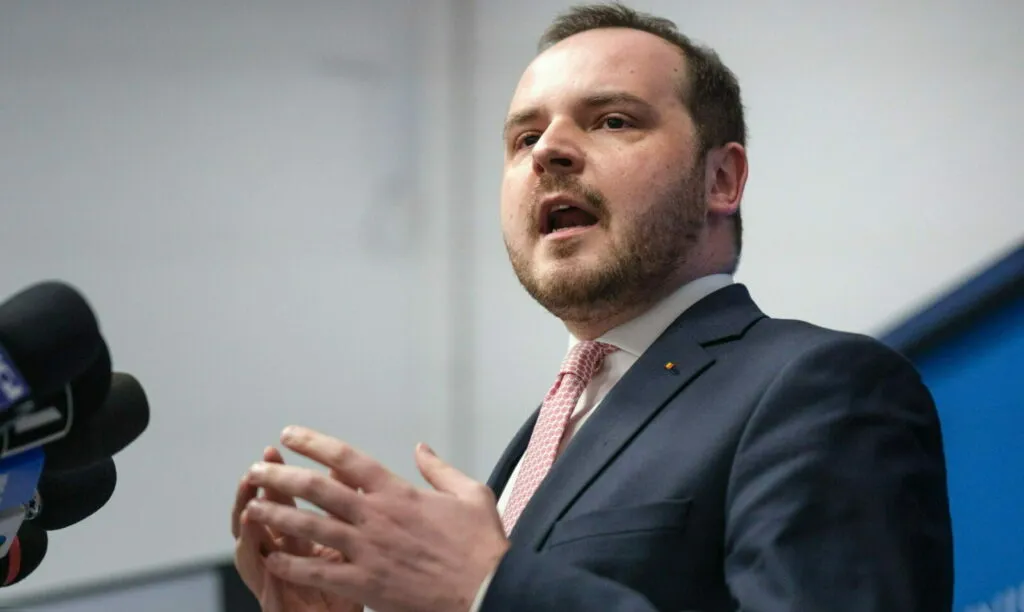
Health sector needs 8 billion RON by year's end, Rogobete warns
13 October 2026
Ministry of Health Requests 800 Million RON: Without Funding, Emergency Services and Ambulance Risk Disruption
13 October 2026

The Senate has approved the extension of paid leave for those accompanying cancer patients to medical investigations
13 October 2026