
Preventing Pressure Sores: What Every Family Should Know
Pressure sores can be prevented with proper care. Discover how to protect your loved ones from bedsores and which warning signs should never be ignored.

Contents
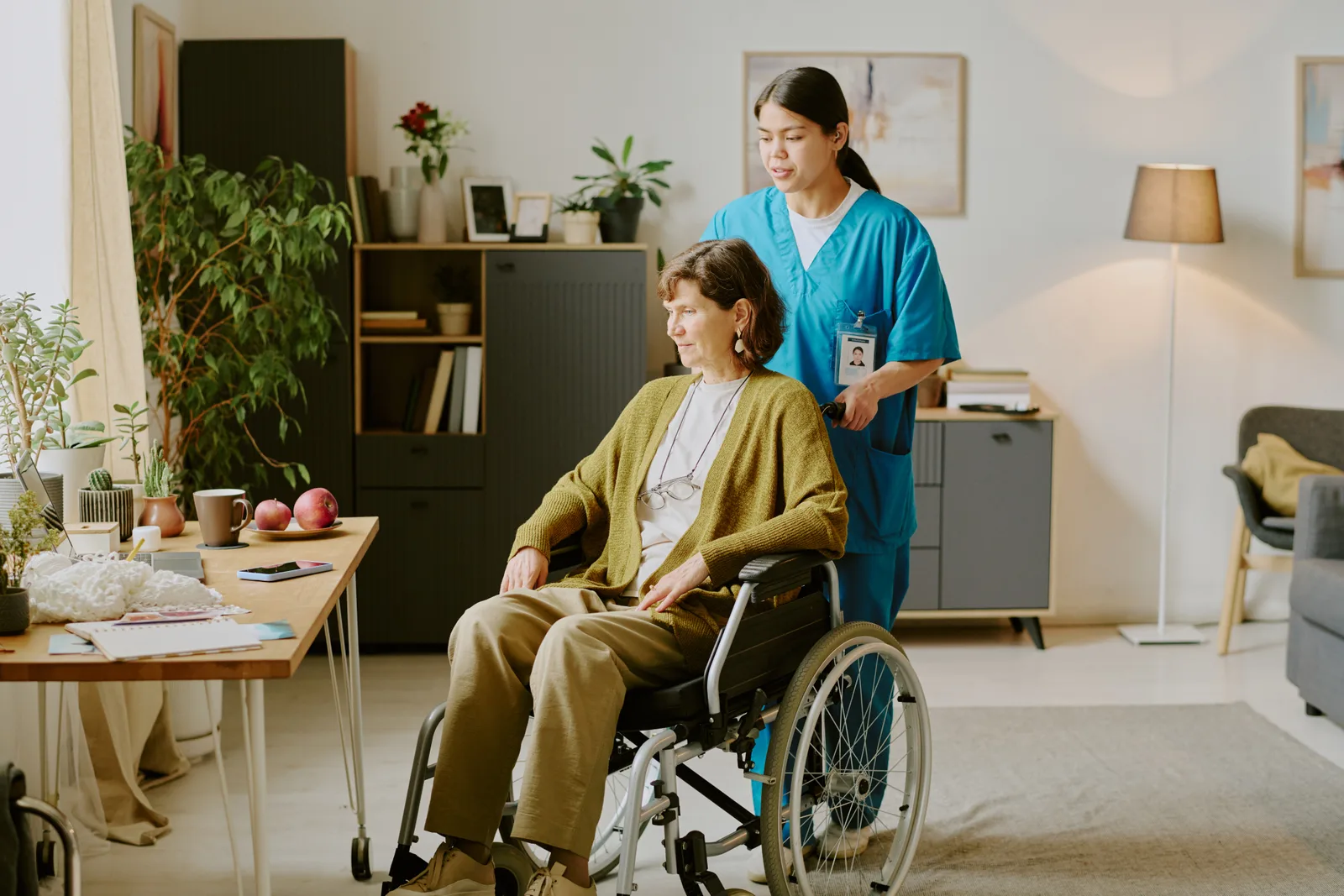
Maria brought her mother home from hospital hoping they would have more time together. Yet after just two weeks, she noticed a persistent redness on her mother's sacral area. What seemed like a simple irritation quickly turned into a painful open wound that required months of treatment. Maria's story is not unique – pressure sores, also known as pressure ulcers or decubitus ulcers, affect thousands of families caring for people who are bedridden or confined to a wheelchair.
The good news is that most pressure sores can be prevented with the right knowledge and consistent care. You don't need to be a doctor or nurse to protect your loved one from this painful complication. You simply need to understand a few fundamental principles and apply them daily, with care and attention.
This guide is here to support all families caring for elderly relatives at home, providing practical information on how to prevent pressure sores, how to recognise them early, and when to seek specialist help.
Contents
- What pressure sores are and why they occur
- High-risk areas of the body
- Risk factors you need to know
- Practical daily prevention strategies
- Correct repositioning techniques
- Skin care: the foundation of prevention
- Warning signs that require intervention
- When to seek specialist help
- Frequently asked questions
What pressure sores are and why they occur
Pressure sores are injuries to the skin and underlying tissues caused by prolonged pressure on certain areas of the body. When a person remains in the same position for hours at a time, the weight of the body compresses the blood vessels that supply the skin and muscles. Without sufficient oxygen and nutrients, the tissues begin to die, forming wounds that can become very serious.
The process can begin within just a few hours of immobility. In people at high risk – those with circulatory problems, diabetes, malnutrition, or fragile skin – pressure sores can develop even more quickly. What makes these wounds particularly dangerous is that the damage begins deep within the body, at the level of the muscles and bones, even when the skin still appears intact on the surface.
Stages of pressure sores
Specialists classify pressure sores into four stages, each more serious than the last:
- Stage I: Persistent redness that does not fade when pressed, skin intact but warm or painful to the touch
- Stage II: Partial loss of skin, appearing as a blister or superficial abrasion
- Stage III: Complete loss of skin, with the wound extending into the subcutaneous fat
- Stage IV: Deep destruction of tissue, with exposure of muscles, tendons, or bones
Recognising pressure sores at Stage I is crucial – at this point, the process can still be completely reversed through consistent preventive measures.
High-risk areas of the body
Not all areas of the body are equally vulnerable to pressure sores. Pressure wounds develop primarily at points where bones are closer to the skin's surface and where the body's weight is concentrated when a person is lying down or seated.
For people who are confined to bed, the most exposed areas include the sacrum (lower back), heels, shoulder blades, elbows, the back of the head, and the malleoli. For those who spend a great deal of time in a wheelchair, the greatest risk is at the sitting bones, the lumbar spine, shoulder blades, and feet.
Specifics for each position
- Lying on the back: sacrum, heels, elbows, shoulder blades, back of the neck
- Lying on the side: malleoli, knees, hip, sides of the ribcage, ear
- Lying face down: knees, toes, genitals (men), cheeks, forehead
- Seated position: sitting bones, spine, shoulder blades, soles of the feet
Checking these areas daily should become a ritual just as important as administering medication. A single minute of visual inspection each day can prevent weeks of painful treatment.
Risk factors you need to know
Some people are more vulnerable to developing pressure sores than others. Knowing the risk factors helps you stay more vigilant and tailor care to the specific needs of the person you are looking after.
Reduced mobility is the most significant risk factor. People who cannot move at all, or who have very limited mobility, are exposed to prolonged pressure every day. But those who are theoretically able to move yet do not do so due to pain, confusion, or sedation are equally vulnerable.
Other medical conditions that increase risk
- Diabetes mellitus: affects circulation and wound healing
- Circulatory problems: reduce the supply of oxygen to tissues
- Malnutrition and dehydration: weaken the skin's resilience
- Incontinence: constant moisture causes skin maceration
- Advanced age: skin becomes thinner and more fragile
- Extreme body weight: both being underweight and obesity increase the risk
- Neurological conditions: reduce the sensation of pain, meaning the person does not feel discomfort
At Trimedical - Îngrijiri medicale la domiciliu din Dobroești, a comprehensive assessment of risk factors is carried out during the first visit to patients, allowing the medical team to develop a personalised prevention plan tailored to each person's situation.
Practical daily prevention strategies
Preventing pressure sores does not require sophisticated equipment or advanced medical training. It does, however, require consistency, attention to detail, and an understanding of a few basic principles to be applied every single day.
The first and most important principle is eliminating constant pressure. Pressure must be redistributed frequently so that no area of the body bears weight for extended periods. For people who are completely immobile, this means repositioning every two hours, day and night.
Daily prevention routine
- Change position: every 2 hours for people in bed, every 15 minutes for those in a wheelchair
- Inspect the skin: daily, in good light, checking all at-risk areas
- Keep skin clean and dry: gentle washing, thorough drying, no vigorous rubbing
- Ensure adequate hydration and nutrition: a minimum of 1.5 litres of fluid per day, with sufficient protein
- Use pressure-reducing surfaces: specialist mattresses and positioning cushions
- Avoid friction and shear forces: lift the person when moving them, never drag them
These measures may feel demanding at first, but they quickly become part of the routine. Many families set alarms on their phones to remind themselves when repositioning is due, turning prevention into a structured and predictable process.
Correct repositioning techniques
Repositioning is the most effective method of preventing pressure sores, but it must be done correctly to be safe for both the person and the carer. Incorrect technique can cause pain, anxiety, or even injury.
When repositioning an immobile person, never drag them across the sheets or pull them by the armpits. This creates shear forces that can damage tissues beneath the skin. Instead, use lifting techniques or assistive devices such as transfer cushions or sliding boards.
Recommended positions and rotation schedule
- Lying on the back (supine): maximum 2 hours, with a pillow under the head and knees for comfort
- Lying on the right side: 2 hours, with a pillow between the knees and back support
- Lying on the left side: 2 hours, with the same support as for the right side
- Semi-reclined position (30–45 degrees): for meals or activities, no more than 1–2 hours
Avoid lying fully on the side (90 degrees), which concentrates all the pressure on the hip. Instead, use a 30-degree tilt supported by pillows at the back, which distributes pressure more evenly. Draw up a fixed rotation schedule – for example: on the back at 8am, right side at 10am, back at 12pm, left side at 2pm, and so on.
Tools that make repositioning easier
Investing in a few simple aids makes the process much easier and safer:
- Foam or gel positioning cushions for lateral support
- Heel cushions that lift the foot completely off the bed
- Draw sheets for easier repositioning
- Grab rails fitted to the bed so the person can assist themselves
- Alternating pressure air mattresses that automatically shift pressure points
Skin care: the foundation of prevention
Healthy skin is the first line of defence against pressure sores. Well-moisturised, clean, and intact skin withstands pressure far better than skin that is dry, irritated, or weakened by constant moisture.
Proper skin care begins with gentle cleansing. Use lukewarm (not hot) water and pH-neutral soaps formulated specifically for sensitive skin. Avoid vigorous rubbing – pat the skin gently with a soft towel to dry it. The perineal area requires particular attention in people with incontinence – cleanse after each episode, dry thoroughly, and apply barrier creams.
Recommended products and products to avoid
Choose fragrance-free moisturisers based on glycerine or urea, which absorb into the skin without blocking it. Apply them after each wash, while the skin is still slightly damp, to lock in moisture. For areas subject to friction, traditional talcum powder is no longer recommended – instead, use modern products based on zinc oxide or dimethicone.
- Recommended: zinc oxide barrier creams, hypoallergenic moisturising lotions, no-rinse cleansing foams
- To avoid: alcohol (dries the skin), ordinary talcum powder (accumulates in skin folds), harsh antibacterial soaps
Pay close attention to moist areas – excessive perspiration or incontinence creates ideal conditions for skin maceration. Change damp linen immediately and use good-quality absorbent pads that draw moisture away from the skin rather than simply absorbing it.
Warning signs that require intervention
Even with the best preventive measures in place, pressure sores can sometimes begin to form. Recognising the early warning signs can make the difference between a simple intervention and a serious wound requiring months of treatment.
The first – and most important – warning sign is redness that does not fade. Press gently on the red area with your finger for a few seconds. If, after lifting your finger, the area remains red instead of temporarily turning pale, the skin is already affected and a pressure sore is imminent. This is known as non-blanching erythema and indicates Stage I pressure sore.
Full list of signs requiring immediate attention
- Persistent redness that does not disappear after pressure is relieved
- Skin that is warmer or cooler than the surrounding area
- Changes in skin texture – soft, spongy, or unusually firm
- Pain, itching, or a burning sensation in areas subject to pressure
- Blisters or areas of broken skin
- Changes in skin colour – purple, blue, or very dark in people with pigmented skin
- Moist areas or fluid seeping from the skin
Never ignore complaints of pain or discomfort, even if the skin appears normal. In people with reduced sensitivity due to diabetes or neurological conditions, the absence of pain does not mean the absence of a problem – visual inspection becomes all the more important in such cases.
When to seek specialist help
Home care is wonderful and provides comfort and dignity to loved ones, but there are times when the expertise of a professional becomes essential. Do not wait for a situation to become critical before asking for help – early intervention prevents serious complications.
Seek specialist advice if you notice any sign of a Stage II or higher pressure sore – that is, any break in the skin, however small. Equally, even persistent redness (Stage I) that does not improve within 24–48 hours of intensified preventive measures requires professional assessment.
Professional services that can help
Home care services have evolved significantly in recent years. Trimedical - Îngrijiri medicale la domiciliu provides comprehensive, safe, prompt, and professional medical care at home around the clock, including pressure sore risk assessment, training families in correct positioning techniques, and specialist wound care when sores have already developed. Teams include nurses, physiotherapists, and doctors who work together to prevent and treat pressure sores.
The benefits of working with specialists include:
- Professional risk assessment and personalised recommendations
- Hands-on training for the family in correct care techniques
- Regular monitoring and adjustment of the care plan
- Prompt access to specialist equipment (anti-pressure sore mattresses, specialist dressings)
- Expert treatment of any pressure sores that do develop
- Emotional support and reduced stress for the family
Signs that you need immediate professional help
- Any open wound or ruptured blister
- Signs of infection: unpleasant odour, pus, fever, spreading redness
- Rapid deterioration – the wound visibly deepening or widening
- Severe pain that does not respond to standard pain relief
- Inability to reposition the person due to the layout of the home or physical limitations
- Carer exhaustion – if you feel overwhelmed, ask for help before reaching burnout
There is no shame in asking for help. Caring for an immobile person is an enormous responsibility, and working with professionals does not mean you have failed – it means you are putting your loved one's needs first.
Frequently asked questions
How often should I reposition an immobile person?
The general rule is to reposition every 2 hours for people in bed and every 15–30 minutes for those in a wheelchair. This interval can be adjusted according to individual risk factors – some people require even more frequent repositioning, whilst others with partial mobility may be able to go slightly longer between changes.
Are anti-pressure sore mattresses truly effective?
Yes, specialist mattresses made from memory foam, gel, or alternating air significantly reduce the risk of pressure sores by distributing pressure more evenly. However, they do not eliminate the need for repositioning – they complement, rather than replace, other preventive measures. The most effective are alternating air mattresses that automatically shift pressure points.
Can a pressure sore develop even if I follow all the recommendations?
Unfortunately, yes, although the risk is greatly reduced. Some people have such significant risk factors (severe diabetes, extreme cachexia, advanced vascular disease) that pressure sores may develop despite every effort. In these cases, the goal becomes very early detection and immediate intervention to prevent worsening.
How much does professional care for pressure sore prevention cost?
Costs vary depending on the frequency of visits and the complexity of care required. An initial assessment consultation may cost between 150–300 RON, whilst regular monitoring and care visits range from 100–200 RON per session. Many providers offer monthly packages that reduce the cost per visit. Compared with the cost of treating a severe pressure sore (specialist dressings, antibiotics, possible hospitalisation), investing in prevention is far more economical.
What should I do if I notice redness on the skin of the person I am caring for?
Relieve pressure from that area immediately – reposition the person so that the red area is no longer in contact with any surface. Check whether the redness fades within 30 minutes of pressure being relieved. If it does, intensify your preventive measures; if it persists beyond an hour, contact a medical professional for assessment. Never massage the red area, and do not apply ice or extreme heat.
Are pressure sores painful?
Pressure sores can be extremely painful, particularly in advanced stages when the wound is deep and may affect nerves and bones. Paradoxically, some people with neurological conditions feel no pain, which makes pressure sores even more dangerous as the body's natural warning signal is absent. Regardless of whether pain is present or not, pressure sores must be treated promptly to prevent serious complications.
Preventing pressure sores is a daily responsibility, but with the right knowledge and consistent routines it becomes a natural part of care. Every day that the skin remains intact is a victory that brings comfort and dignity to your loved one. If you feel unsure or notice the first warning signs, do not hesitate to contact a specialist – early intervention makes all the difference. Speak with a home care team about assessing your risks and developing a personalised prevention plan tailored to your specific situation.
This article is for informational purposes only and does not replace medical advice. Please consult a specialist for individual situations.
Previous
Volunteering in Care Homes for the Elderly: How to Involve Family and Community
Next
5 Practical Tips for Managing Incontinence in the Elderly
Similar articles

Sleep Disorders in Seniors: When and How to Seek Help
13 October 2026

Osteoporosis and Bone Health — An Essential Guide for Carers
13 October 2026

Validation Therapy for Elderly People with Dementia: A Guide for Families
13 October 2026
Secondary effects of medication in the elderly: warning signs
12 October 2026

Occupational Therapy at Home for the Elderly: A Complete Guide
11 October 2026
How to Manage Specialist Referrals for an Elderly Person with Multiple Chronic Conditions
10 October 2026