
Pfizer Lyme Disease Vaccine Under EU Evaluation for Authorisation
The European Medicines Agency is reviewing an experimental Pfizer-Valneva vaccine against Lyme disease, which showed 70% efficacy in studies. No approved vaccine against this disease currently exists.
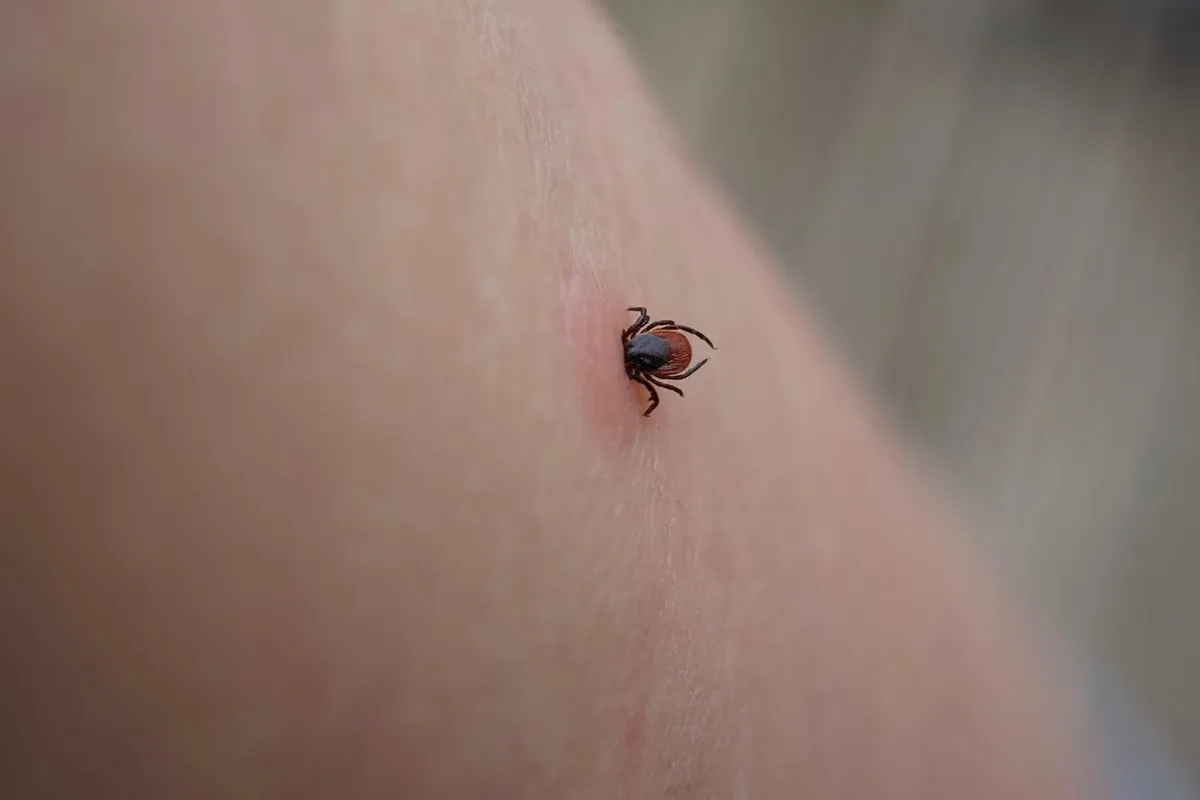
A vaccine still in the experimental stage, designed to prevent Lyme disease in both children and adults, has entered the official review process of the European Medicines Agency (EMA). This is a significant milestone, given that there is currently no authorised vaccine against this infection, which is transmitted through the bite of infected ticks.
Lyme disease is the most widespread tick-borne infection in the world. It typically presents with skin lesions and flu-like symptoms, though in certain cases it can also affect the nervous system. Although deaths are rare, the disease can have significant neurological consequences.
The EMA has accepted for review the application submitted by Pfizer together with the Franco-Swiss company Valneva for the experimental vaccine known as PF-07307405. The two companies announced this on Friday. It is important to note that acceptance of the application means only that the European authority is beginning to examine the existing data – it does not constitute approval of the vaccine.
The product is intended for individuals aged at least 5 years. According to the developing companies, clinical trials have demonstrated approximately 70% efficacy in preventing illness in this age group.
The submission of the European application comes, however, after disappointing results emerged earlier this year from one of the studies within the development programme. The vaccine remains, for the time being, experimental and cannot be used in routine practice.
Annaliesa Anderson, Pfizer's head of vaccines, stated in a joint press release from the two companies: "We believe that vaccination could add a new form of protection against this disease, which can have significant health consequences."
The stakes are all the higher given that a very large number of people are at risk. Thomas Lingelbach, Chief Executive of Valneva, highlighted that more than 200 million people live in areas of Europe where the risk of contracting Lyme disease is high.
A 2022 meta-analysis estimated that, globally, 14.5% of people carry antibodies against bacteria from the Borrelia burgdorferi sensu lato complex, the organisms responsible for causing Lyme disease. Experts have warned that climate change could facilitate the spread of ticks and, consequently, an increase in the number of cases.
In the next stage, the EMA will assess in detail the data on the vaccine's efficacy and safety before issuing an official opinion on its potential authorisation.
Content paraphrased and adapted by SeniorHelp from verified public sources.
Original source: Digi24 →Previous article
How Your Posture Can Change Your Mood in Seconds
Next article
3D-Printed Titanium Prosthesis Saves Patient's Leg After Sarcoma Diagnosis
Similar news

Winter Time and the Body: What Studies Show About Sleep, Energy and Health
5 October 2026

Recurring heartburn can be a sign of gastro-oesophageal reflux disease
5 October 2026

Japanese Monk Begins 12 Years of Total Isolation: What Science Says About the Effects of Loneliness
3 October 2026
West Nile in Romania: 117 cases and 7 deaths reported by INSP this season
2 October 2026
Flu vaccination has begun: who receives the vaccine for free and who gets a 50% subsidy
2 October 2026

COPD and Severe Asthma: Major Risks for Patients and the Healthcare System
2 October 2026