
Study: 1 in 8 cancer cases linked to infections. Many can be prevented
IARC Study: 2.3 million new cancer cases in 2024 (12% of the total) were caused by infections. Vaccination and early detection can reduce the risk.
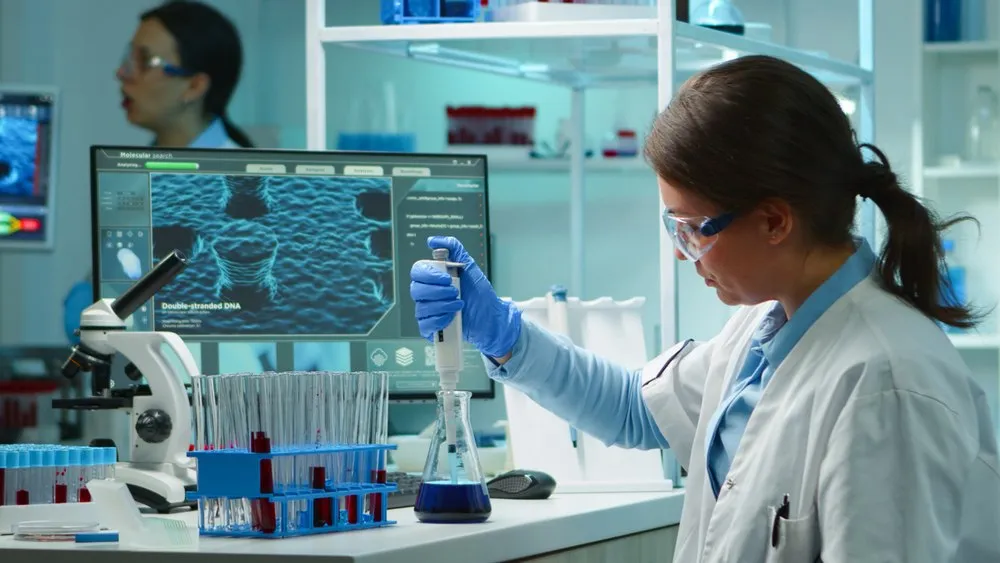
A study published in The Lancet Oncology shows that infections were behind approximately one in eight new cancer cases worldwide in 2024. Researchers at the International Agency for Research on Cancer (IARC) also highlight that a significant proportion of these cases could have been prevented.
What the figures show
According to IARC estimates, around 2.3 million new cancer cases diagnosed worldwide in 2024 were attributed to infections, accounting for 12% of all cases. These are statistical estimates, not instances where an infectious cause was individually confirmed in each patient.
The researchers analysed the contribution of 12 different infectious agents. The greatest number of cases were linked to:
- the bacterium Helicobacter pylori – 760,000 cases (4% of the total)
- human papillomavirus (HPV) – 750,000 cases (4%)
- hepatitis B virus – 360,000 cases (2%)
- Epstein-Barr virus – 260,000 cases (1%)
- hepatitis C virus – 160,000 cases (under 1%)
The highest number of infection-related cases was recorded in East Asia – 990,000, representing 42% of the global total. The age-standardised rate there was 31.9 cases per 100,000 people, above the global average of 22.7. Rates above the world average were also reported in sub-Saharan Africa (28.5), Central and Eastern Europe (24.3), and South-East Asia (23.1).
Associated cancer types and prevention options
Each infection analysed is linked to specific forms of cancer: Helicobacter pylori is associated primarily with gastric cancer, HPV with cervical cancer and other sites, and hepatitis B and C with liver cancer. The Epstein-Barr virus is implicated, among other things, in certain lymphomas and some cases of gastric cancer.
The IARC notes that many of these cases could be prevented through measures that already exist: vaccination against HPV and hepatitis B, screening for and treatment of H. pylori infection, treatment of viral hepatitis, and cervical cancer screening. Access to these measures, however, varies considerably between regions – over three-quarters of infection-attributable cancers were recorded in low- and middle-income countries.
Gary Clifford, one of the study's authors, told Scientific American: "These are risk factors we can act on. We can test. We can vaccinate."
The authors of the study published in The Lancet Oncology draw attention to the fact that proven prevention methods – HPV and hepatitis B vaccination, screening for and treatment of HIV, H. pylori, and hepatitis B and C infections, as well as screening for HPV-associated precancerous lesions – remain insufficiently used globally.
For some of the infections included in the study, including the Epstein-Barr virus, no vaccine is currently available. The researchers emphasise the need to develop new prevention methods, particularly for this virus.
Content paraphrased and adapted by SeniorHelp from verified public sources.
Original source: Adevărul →Previous article
Pensioners' protest: "I don't have enough money even for medicine"
Next article
Flu vaccine 2026-2027: what's new, doses for the elderly and who receives it free of charge
Similar news

Winter Time and the Body: What Studies Show About Sleep, Energy and Health
5 October 2026

Recurring heartburn can be a sign of gastro-oesophageal reflux disease
5 October 2026

Japanese Monk Begins 12 Years of Total Isolation: What Science Says About the Effects of Loneliness
3 October 2026
West Nile in Romania: 117 cases and 7 deaths reported by INSP this season
2 October 2026
Flu vaccination has begun: who receives the vaccine for free and who gets a 50% subsidy
2 October 2026

COPD and Severe Asthma: Major Risks for Patients and the Healthcare System
2 October 2026