
Flu vaccine 2026-2027: what's new, doses for the elderly and who receives it free of charge
The vaccine for this season contains subclade K and a higher dose for those over 60 years of age. People over 65 years of age receive 100% reimbursement.
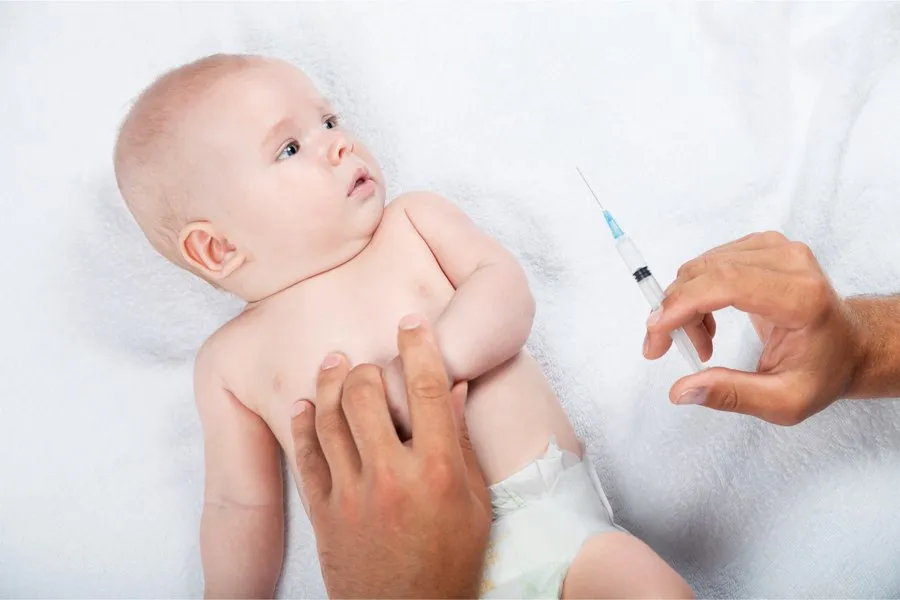
The cold season is approaching, and patients who know that vaccination is the best protection against severe forms of influenza can ask their doctor for a prescription for the flu vaccine. Dr. Gindrovel Dumitra, coordinator of the vaccinology group within the National Society of Family Medicine (SNMF), explained to "Adevărul" what is new in the 2026–2027 flu season.
New component against subclade K
For the first time, the World Health Organisation has included in the vaccine composition subclade K (J.2.4.1) of the influenza A(H3N2) virus — referred to in the media as "super-flu" — which last year caused a serious burden of illness and hospitalisations in both the southern and northern hemispheres. The doctor emphasised that the inclusion of this component in the vaccine intended for the northern hemisphere is good news.
High-dose vaccine for people aged over 60
This season, age-adapted vaccines will be available: for children, in intranasal form, and for people aged over 60, a high-dose vaccine designed to offer protection comparable to that of healthy adults. Dr. Dumitra noted that some elderly patients are reluctant to switch from the vaccine they are used to; however, doctors have a duty to explain why needs change as people age. Minor technical changes to the prescribing protocol are also expected.
Vaccination recommended before the start of the flu season
Vaccination is available both at GP surgeries or other specialists' practices and in pharmacies. From October onwards, anyone in an at-risk group can present for a subsidised or free prescription. The doctor recommends vaccination before the start of the flu season, which usually begins in December and extends through to around April.
Children under 8 need two doses at first vaccination
Children aged between 6 months and 8 years who are being vaccinated for the first time require two doses for complete protection, which is why the schedule may begin in September and be completed towards the end of October, with full protection developing approximately two weeks after the last dose. Children under 8 who have already completed their first vaccination course, as well as adults or individuals over 8 years of age, require only a single dose.
Better availability and growing confidence
Since 2023, patients in at-risk groups have been able to obtain their prescription directly from their doctor, without waiting for the vaccine to be distributed by the Public Health Directorate. This has resolved the delays of the past, when the vaccine sometimes only arrived towards the end of December or even in January. The doctor also noted a recovery of confidence in vaccination following the post-pandemic period marked by distrust linked to the COVID-19 vaccine: whereas in 2023 some 1.1 million doses of flu vaccine were recorded in the National Vaccination Registry (RENV), by 2025 that figure had exceeded 1.3 million. The World Health Organisation's recommended target for herd immunity is 75% of at-risk individuals, which would mean between 4 and 6 million doses administered annually. However, the RENV figures do not fully reflect reality, as some doses dispensed from pharmacies reach people vaccinated by units that are not required to record entries in the national registry.
Who receives the vaccine free of charge or with 50% subsidy
The following are entitled to 100% reimbursement of the reference price:
- children aged between 6 months and 19 years;
- pregnant women;
- people aged between 19 and 64 with chronic illnesses or risk conditions: chronic cardiovascular disease, chronic respiratory disease, chronic kidney disease, chronic liver disease, chronic neurological disease, metabolic disorders, oncological conditions, autoimmune conditions, congenital malformations, obesity, asplenia;
- people with HIV/AIDS infection, immunosuppressive therapy, transplantation, or congenital immunosuppression;
- people aged over 65;
- medical, healthcare, and auxiliary staff.
People aged between 45 and 64 who do not have chronic illnesses are entitled to 50% reimbursement of the reference price.
The 100% reimbursement applies to the reference price, not necessarily to any price at which the vaccine may be found in a pharmacy, and for the 50% subsidy the patient pays the difference determined by the reimbursement mechanism.
How to obtain a prescription and where to get vaccinated
The vaccine is prescribed via electronic prescription by any doctor under contract with the Health Insurance Fund — most commonly the GP — who verifies whether the patient falls within an eligible category. The prescription can be collected from any pharmacy that dispenses subsidised and free medicines under its contract with the CJAS, and the vaccine, which must be transported at the appropriate temperature, is subsequently administered by a doctor. The vaccine may be administered by GPs, epidemiologists, infectious disease specialists, paediatricians, or other doctors holding a vaccinology qualification, as well as by accredited vaccinating pharmacists. All of these practitioners must have an account in the National Electronic Vaccination Registry (RENV), where the administration of the vaccine must be recorded without exception. The vaccine may also be purchased at full price, if available in pharmacies, by individuals who do not fall within the subsidised categories.
Content paraphrased and adapted by SeniorHelp from verified public sources.
Original source: Adevărul →Previous article
Study: 1 in 8 cancer cases linked to infections. Many can be prevented
Next article
Foundation Română a Inimii launches the campaign "The 50/2030 Challenge: Cholesterol Under Control!"
Similar news

First influenza-related death of this season confirmed by INSP: unvaccinated man from Cluj
16 October 2026

Partial Nephrectomy: The Operation That Treats Kidney Tumours and Preserves the Kidney
16 October 2026

Time spent in nature could improve one's relationship with food, a British study suggests
16 October 2026

What a liver operation involves: preparation and recovery
15 October 2026

Cardiac MRI: the investigation that provides detailed images of the heart
15 October 2026

Chronic insomnia linked to higher risk of stroke, dementia and hospitalisation, shows study of 1.3 million people
14 October 2026