
Foundation Română a Inimii launches the campaign "The 50/2030 Challenge: Cholesterol Under Control!"
The Romanian Heart Foundation has launched the "50/2030 Challenge" campaign, aiming to ensure that by 2030, half of all patients with high cholesterol achieve their therapeutic targets.
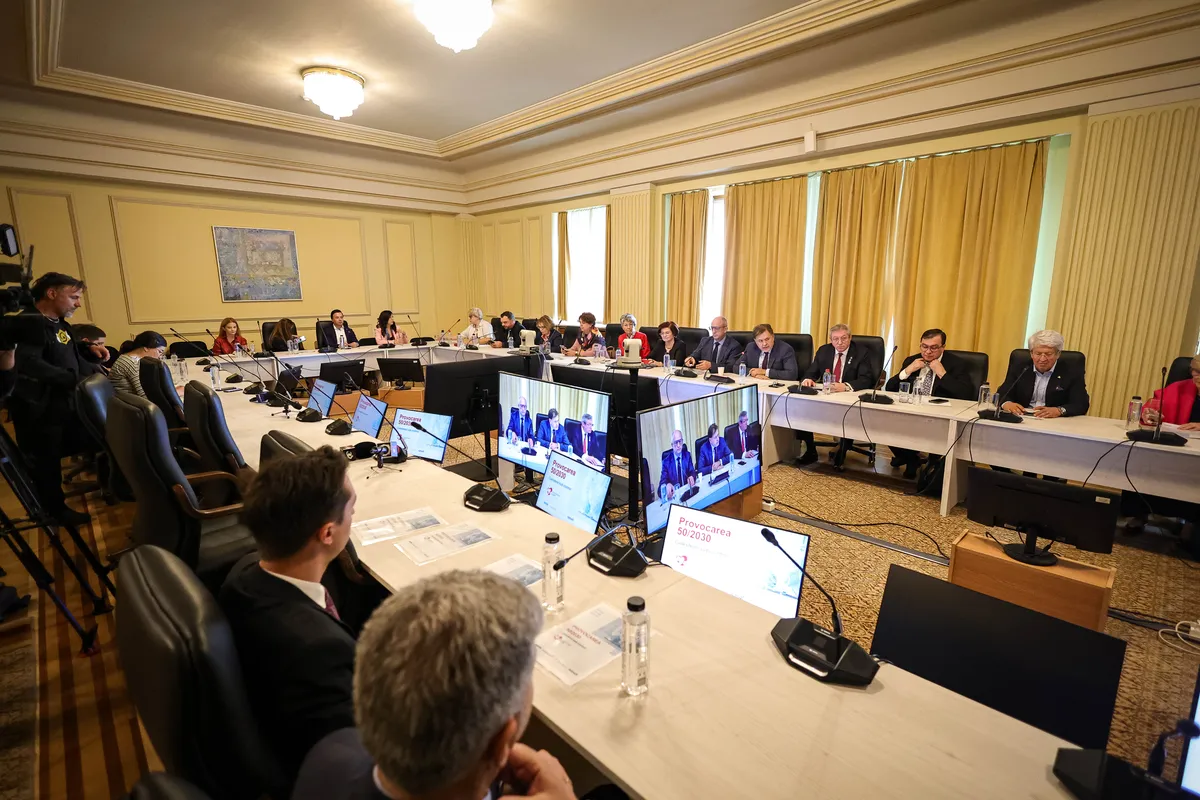
On World Heart Day, the Romanian Heart Foundation launched the national campaign "The 50/2030 Challenge: Cholesterol Under Control!" at the Palace of Parliament. This is an information, awareness and advocacy project, through which some of the measures included in the National Strategy for Combating Cardiovascular and Cerebrovascular Diseases 2025–2030 are being put into practice.
According to the data presented, cardiovascular diseases remain the leading cause of death in Romania, with approximately 150,000 deaths per year, with cardiovascular mortality being around 2.5 times higher than the European Union average. Approximately 55% of adults have elevated cholesterol, yet fewer than 15% of patients receiving treatment manage to achieve their recommended target values.
The campaign focuses on controlling LDL cholesterol (also known as "bad cholesterol"), the primary therapeutic target, whilst addressing cardiovascular risk in general. High blood pressure, elevated cholesterol, diabetes mellitus, obesity and smoking can compound one another and significantly increase the risk of myocardial infarction or stroke.
Prof. Dr. Dragoș Vinereanu, President of the Cardiology Commission of the Ministry of Health, stated: "From 2025, Romania has a National Strategy for Combating Cardiovascular and Cerebrovascular Diseases. The real challenge now is its implementation, with measurable objectives and tangible results for patients. 'The 50/2030 Challenge: Cholesterol Under Control!' is one such concrete step. If we want to reduce the cardiovascular burden, the system must shift from passive reaction to effective prevention, and from the mere existence of treatments to actually achieving therapeutic targets."
The campaign's objective is for at least 50% of patients with elevated cholesterol to achieve their therapeutic targets by 2030. The advocacy component seeks to activate existing instruments within the system for the systematic assessment of cardiovascular risk and the early identification of individuals at high risk.
Prof. Dr. Dan Gaiță, a member of the European Heart Network Board, explained: "Cardiovascular risk does not begin at the moment of a myocardial infarction or stroke. It accumulates over time through risk factors such as high blood pressure, elevated cholesterol, diabetes mellitus, obesity and smoking. This is why effective prevention means systematically identifying cardiovascular risk and intervening before complications arise."
The National Strategy sets out concrete measures for prevention and early detection, including the development of reporting and monitoring mechanisms for at-risk individuals, the use of digital tools, and the establishment of a network of County Centres for the Prevention of Cardiovascular and Cerebrovascular Diseases. The target is for at least 50% of counties to have such centres by 2030. The Strategy also aims to improve access to pharmacological treatment, including next-generation medicines, and sets the objective of reducing access times to innovative treatments for cardiovascular and cerebrovascular diseases by 25% by 2030.
Prof. Dr. Dragoș Vinereanu added: "Prevention and access to treatment must work hand in hand. It is not enough to identify the high-risk patient if they reach the intervention they need too late. The National Strategy sets the objective of reducing access times to innovative treatments for cardiovascular and cerebrovascular diseases by 25% by 2030, and implementation must turn this target into a real outcome for the patient."
The campaign has two complementary components. The public communication component aims to mobilise the adult population to learn their cholesterol values and other cardiovascular risk factors, and to consult their doctor for assessment and appropriate treatment. The advocacy component seeks to transform prevention into a systematic process, through cardiovascular risk assessment and the early identification of individuals who require monitoring and medical intervention.
The Romanian Heart Foundation carries out activities dedicated to the prevention of cardiovascular diseases, informing and raising public awareness of cardiovascular risk factors, and supporting evidence-based public health policies.
Content paraphrased and adapted by SeniorHelp from verified public sources.
Original source: Digi24 →Previous article
Flu vaccine 2026-2027: what's new, doses for the elderly and who receives it free of charge
Next article
Kineto Consult: medical rehabilitation must be included from the outset in treatment, not at the end
Similar news

Hepatitis A in Constanța: 23 outbreaks, 130 cases, under DSP monitoring
12 October 2026
 Foto ilustrativă
GPs warn: flu vaccination should not be delayed
11 October 2026

GPs recommend flu vaccination before the epidemic spreads
11 October 2026

Depression in the elderly, mistaken for ageing: what signs to look out for
11 October 2026

Dry skin in autumn: causes, affected areas and when to see a dermatologist
11 October 2026

Forgetfulness in Old Age: What's Normal and When to Visit PROMEMORIA for a Check-up
9 October 2026