
Dry skin in autumn: causes, affected areas and when to see a dermatologist
A dermatologist explains why skin becomes dry in autumn, how it differs from eczema, and what measures help restore the skin barrier.
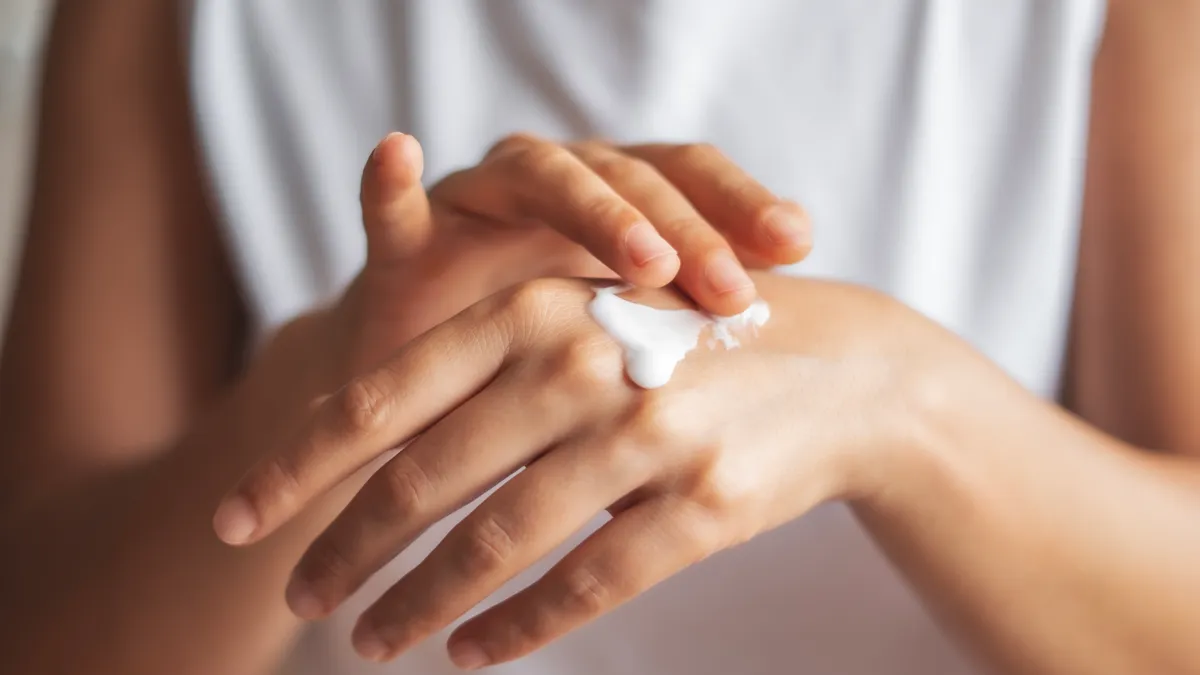
As temperatures and humidity drop, many people experience a feeling of tight skin, flaking, and itchiness — signs that the skin barrier, the body's first line of defence, has been compromised. Dr Amalia Anghel, a specialist in dermatology and venereology, explained to Digi24.ro the mechanisms behind this discomfort and the appropriate solutions.
Why skin becomes drier in autumn
According to the specialist, the shift from cold, dry outdoor air to heated indoor spaces promotes water loss from the skin. The skin barrier, responsible for maintaining hydration and protecting against external factors, becomes more vulnerable as a result. Adding to this are the effects of summer — prolonged sun exposure, salt water, or chlorine from swimming pools — which may have already compromised the skin barrier, whilst hot showers and dry indoor air further exacerbate dehydration. The doctor emphasises that this is not a matter of insufficient water intake, but rather a reduced ability of the skin to retain moisture and fulfil its protective role.
The most affected areas are the cheeks, the skin around the mouth and eyes, and the hands — which suffer from repeated contact with water, soaps, detergents, and cold. On the body, the shins, elbows, and knees are prone to dryness, as these areas produce less sebum. People with sensitive skin or atopic dermatitis may notice a worsening of these symptoms during the colder months.
How to distinguish dry skin from dermatitis or eczema
Dr Amalia Anghel explains that the key difference lies in the presence and intensity of inflammation. Dry skin (cutaneous xerosis) manifests as a tight feeling, a rough texture, fine flaking, and occasionally mild itching — symptoms that generally improve with consistent use of emollient products.
Eczema, on the other hand, involves an inflammatory process that can cause redness, intense itching, cracking, and sometimes small blisters or weeping lesions. Atopic dermatitis is a chronic inflammatory condition associated with a compromised skin barrier, whilst contact dermatitis develops following exposure to irritants or allergens. The doctor warns that severe dryness can trigger the onset of eczema, which is why persistent symptoms require a dermatological assessment.
What we can do at home to protect our skin
- Adapting your skincare routine to the colder season by using emollient creams daily to help restore the skin barrier.
- Choosing products containing ceramides, which maintain the integrity of the skin barrier, and urea, which draws and retains water in the skin — at concentrations of approximately 2–5%, depending on individual tolerance.
- Applying moisturiser immediately after showering, while the skin is still slightly damp.
- Avoiding hot water, harsh cleansing products, and excessive exfoliation.
- Using a daily sunscreen, even in autumn and winter.
According to the specialist, a simple routine — gentle cleansing, moisturising, and sun protection — is, in most cases, sufficient to maintain healthy skin.
When a dermatological consultation is necessary
Dr Amalia Anghel recommends seeking specialist advice when dryness persists despite consistent use of emollient products, or when it is accompanied by intense itching, redness, painful cracking, or inflammation — signs that may indicate dermatitis or another condition requiring specific treatment.
The doctor also points out that persistent skin dryness may be associated with systemic conditions such as hypothyroidism or diabetes mellitus, with the use of certain medications, or with hormonal changes during perimenopause and menopause. For this reason, when symptoms appear suddenly, become severe, or persist regardless of the season, it is important to identify the underlying cause rather than simply treating the visible manifestations.
Content paraphrased and adapted by SeniorHelp from verified public sources.
Original source: Digi24 →Previous article
Depression in the elderly, mistaken for ageing: what signs to look out for
Next article
Ozone pollution affects half of Europe's population: Dr. Beatrice Mahler explains the link with asthma
Similar news

What Happens to Your Body When You Skip Breakfast, as Explained by Nutritionists
27 November 2026

Innovative cellular therapy offers hope to patients with advanced melanoma
27 November 2026
Researchers have discovered a "backup electrical system" in the heart, which could transform the treatment of arrhythmias
26 November 2026

Biceps Tendon Rupture at the Elbow: Signs and Treatment Options
26 November 2026

Shingles: what symptom may appear 2–3 days before the skin rash
26 November 2026
Medical devices for controlling motor fluctuations in Parkinson's disease
25 November 2026