
Forgetfulness in Old Age: What's Normal and When to Visit PROMEMORIA for a Check-up
Guide on the difference between normal forgetfulness and signs that require specialist evaluation, with details about the PROMEMORIA centre in Bucharest.

When a parent asks the same question several times a day or forgets to pay bills they never used to miss, it's only natural to wonder: is this just age, or something more serious? There's no answer you can arrive at on your own at home, but there are clear indicators that show when forgetfulness should be discussed with a doctor. A timely assessment brings clarity and gives you time to plan ahead.
When forgetfulness is a normal part of ageing
As we get older, the brain processes information more slowly. It's normal not to immediately remember a neighbour's name or where you put your glasses, only for it to come back to you a few minutes later. What matters is that these minor lapses don't affect daily life: the person continues to manage their finances independently, cook, go shopping, and is aware when they've forgotten something. Fatigue, poor sleep, stress, or certain medications can temporarily worsen these memory gaps.
Signs that warrant closer attention
The situation is different when forgetfulness begins to change the way an older person lives their life. The most common cause of dementia is Alzheimer's disease, a progressive condition that develops gradually, which is why the earliest signs are often mistakenly attributed to age. Situations that deserve attention include:
- disorientation, including on routes that have been familiar for years
- difficulty with simple arithmetic, paying bills, or finding the right words
- withdrawal from activities and social engagements they previously enjoyed
- changes in mood or behaviour without any obvious cause
If you recognise two or more of these signs and they are becoming more pronounced from one month to the next, it is advisable to seek a medical assessment as soon as possible. The earlier an evaluation takes place, the more easily other treatable causes can be ruled out, such as vitamin B12 deficiency or thyroid problems.
What a cognitive assessment involves
An accurate diagnosis cannot be established in a ten-minute conversation. In Bucharest, the PROMEMORIA centre, located on strada General David Praporgescu, has been operating since 2009 and specialises in the prevention, diagnosis, treatment, and monitoring of memory disorders. The initial consultation lasts 90 minutes, and the cognitive assessment itself takes approximately two hours, and may be extended if the situation requires it.
During this time, memory, attention, language, and orientation are tested thoroughly and without rushing. The doctor also needs the history provided by the family: when the changes first appeared, how they have progressed, what other conditions the patient has, and what treatments they are currently receiving. It is therefore recommended that a family member accompanies the patient to the appointment and notes down their relevant observations in advance.
The role of the geriatrician
Older people rarely have just one health concern. Hypertension, diabetes, joint pain, and multiple medications can all interact with one another and may worsen confusion. This is why a consultation with a geriatrician is valuable — a specialist who looks at the elderly patient as a whole, much as a paediatrician attends to the needs of children. A geriatrician allocates more time to consultations, compiles a full medical history, and places particular emphasis on the patient's quality of life.
At PROMEMORIA, geriatricians work alongside specialists in neurology, psychiatry, psychology, internal medicine, and medical rehabilitation to provide a comprehensive assessment. For the specialities of geriatrics, neurology, internal medicine, and medical rehabilitation, the centre holds a contract with the Casa de Asigurări de Sănătate a Municipiului București, and consultations can be reimbursed on the basis of a referral letter.
What to expect after a diagnosis
Alzheimer's disease is not currently curable, but this does not mean that nothing can be done. Treatments and specialist programmes aim to slow cognitive decline and alleviate symptoms, while regular check-ups allow for adjustments as the disease progresses. Geriatric care also offers support to family members, as caring for a person with dementia is a long-term process.
If a recent instance of forgetfulness has caused concern, specialists recommend neither ignoring it nor panicking prematurely. The practical step is to note down your observations, have an open conversation with the older person, and book a specialist appointment.
Content paraphrased and adapted by SeniorHelp from verified public sources.
Original source: Realitatea →Previous article
CASS on pensions: the 3,000 RON threshold could be reduced from 2027
Next article
Over 80,000 Respiratory Infections Recorded in Romania in One Week, INSP Data Shows
Similar news
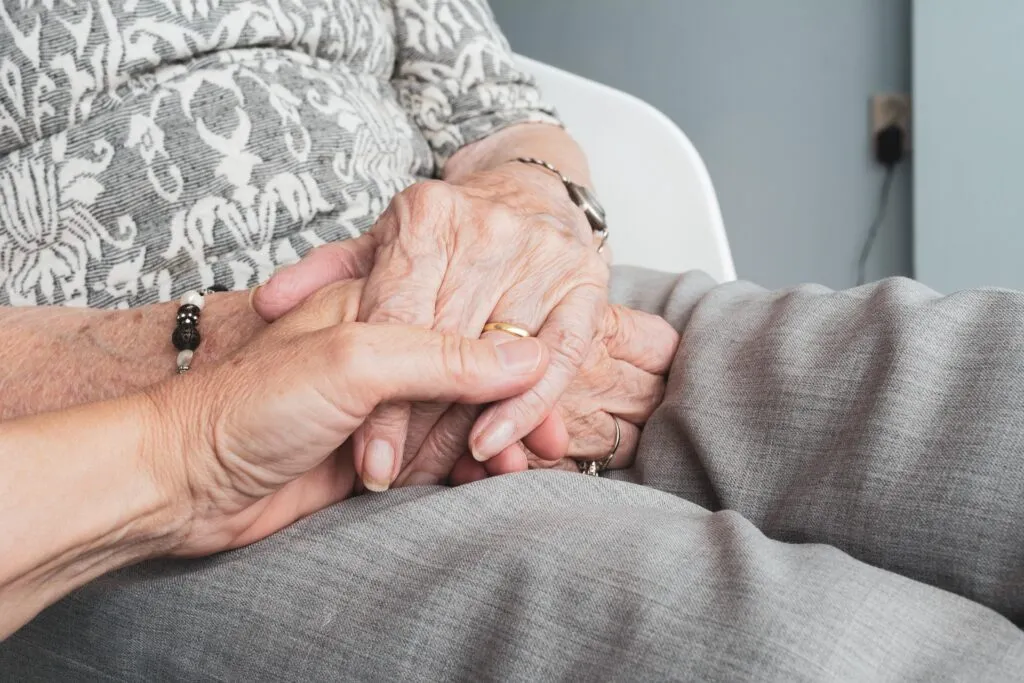
Depresia la vârstnici, confundată cu îmbătrânirea: ce semne trebuie urmărite
11 October 2026

Over 80,000 Respiratory Infections Recorded in Romania in One Week, INSP Data Shows
9 October 2026
 Foto ilustrativă
Laptele crud poate conține bacterii periculoase: cine riscă forme severe de boală
9 October 2026

Severe Mitral Regurgitation Treated Minimally Invasively, Without Open-Heart Surgery
8 October 2026

Coronary Angiography: the investigation that reveals blockages in the heart's arteries
8 October 2026
DEXA: the scan that shows how healthy your bones are
8 October 2026