
PNRR: Romania Has Received an Additional 301 Million Euros, Nazare Calls for Evaluation of Projects for the 2027 Budget
Romania has received over 301 million euros from the NRRP, funds that had previously been suspended by the European Commission. The total amount received through the programme now stands at approximately 13.27 billion euros.
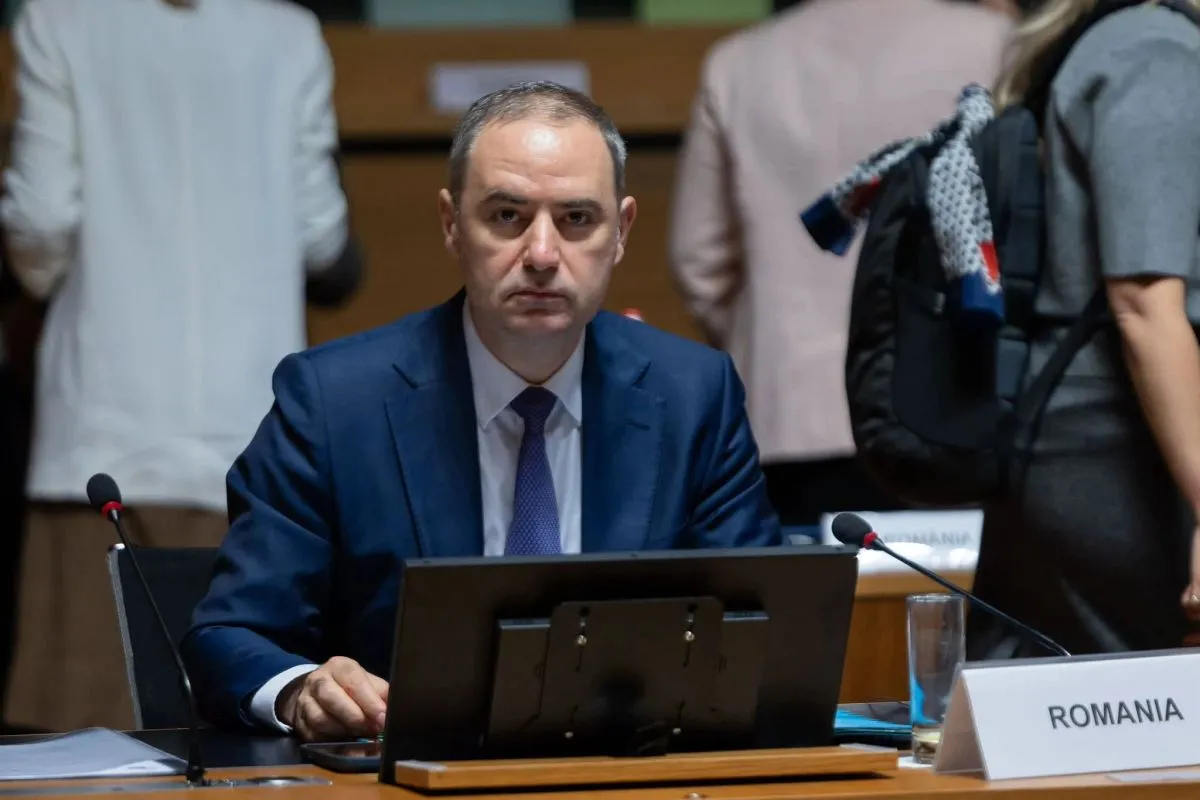
Romania has received a new instalment of European PNRR funds worth over 301 million euros, relating to payment request no. 3, which had previously been suspended by the European Commission. The announcement was made by interim Finance Minister Alexandru Nazare. Following this receipt, the total amount received by Romania through the programme reaches approximately 13.27 billion euros.
Breakdown of the amount
Of the total exceeding 301 million euros, 298.6 million euros represent non-reimbursable grants, whilst approximately 2.6 million euros are loans. According to Nazare, the funds were recovered as a result of institutional efforts and dialogue with the European Commission aimed at fulfilling Romania's commitments.
The Minister emphasises that these receipts are of direct importance for financing the budget deficit and managing State Treasury liquidity: "Every euro drawn from European funds, particularly from the non-reimbursable component, contributes to reducing pressure on budget financing and to more efficient management of public resources."
Call for a comprehensive assessment of investments and outstanding payments
Alexandru Nazare states that, going forward, the evaluation of the programme must go beyond the amounts received and examine the concrete results of investments and reforms: "But the period ahead is no longer just about how much money we receive. It is about what we have achieved with that money, what reforms we have implemented, which investments we can still complete, and what financial obligations remain."
He is calling for a detailed analysis of each investment, identifying which projects have already been completed, what impact they have had on the economy, and which can still be brought to completion. The assessment must also establish precisely what amounts remain to be paid and from which sources these will be covered. Nazare is asking that the results achieved by institutions, local authorities, and other beneficiaries be measured in terms of the economic and social benefits they have generated.
The data will underpin the 2027 budget
The Ministry of Finance has requested that the Ministry of Investments and European Projects, as well as budget authorising officers, update and consolidate information regarding the financial status of the PNRR. This data will form the basis for discussions on this year's budget rectification and for drafting the 2027 budget, with the analysis set to cover financing requirements, investment prioritisation, and obligations that will need to be met from the national budget.
Nazare notes that the current budget was built on the assumption of fully drawing the PNRR financing scheduled for this year, aligned with the expenditure earmarked for investments and reforms. As the evaluation and programme closure process progresses, the authorities must establish precisely what amounts will actually be received, what expenditure has already been incurred, and which investments still require financing.
"This situation must be consolidated and presented publicly, with all its financial implications, so that decisions regarding next year's budget are based on a complete and realistic picture," Alexandru Nazare stated.
Reforms must deliver real change, not merely tick boxes
The Minister is calling for the evaluation to also track the concrete manner in which the reforms committed to under the PNRR have been implemented, stressing that mere formal compliance — undertaken solely to secure funding — is not sufficient. Particular attention must be paid to reforms that affect the state's ongoing expenditure, the functioning of the public administration, and the competitiveness of the economy.
"The success of the PNRR must not be measured solely in billions of euros received, but in structural reforms that produce real changes in people's lives and in investments that increase Romania's economic potential," Nazare added.
Looking ahead to the next European financial framework, the Minister advocates for an approach focused on results and tangible benefits for citizens, rather than merely on the rate of fund absorption. In his view, the 2027 budget must reflect the projects already completed, the investments still to be finalised, and Romania's real capacity to finance them responsibly.
Content paraphrased and adapted by SeniorHelp from verified public sources.
Original source: Realitatea →Previous article
Ozone pollution affects half of Europe's population: Dr. Beatrice Mahler explains the link with asthma
Next article
Over 80,000 cases of respiratory infections in one week. First cases of flu have emerged
Similar news
 Foto ilustrativă
The Cluj-based startup .lumen wins the Glovo Startup Campus competition in Barcelona
16 October 2026
Centrokinetic expands its medical rehabilitation clinic network to 13 units by 2027
8 October 2026
Private hospitals have surpassed 5 billion RON in turnover, up 30% on the previous year
16 September 2026
 Foto ilustrativă
EU Funds of 6 Million EUR for IT Companies Creating Digital Health Solutions
10 September 2026
Cseke Attila: PNRR will be continued by the Health Operational Programme. The Heart Institute in Târgu Mureș, inaugurated on Monday
29 August 2026
Two Romanian entrepreneurs have launched an app that alerts family members if an elderly person stops using their phone
28 August 2026