
Negrescu warns: Romania risks receiving less European funding following EU budget cuts
MEP Victor Negrescu warns that the proposed EU budget cut of 141 billion euros could affect funds for agriculture, health, education, and infrastructure in Romania.
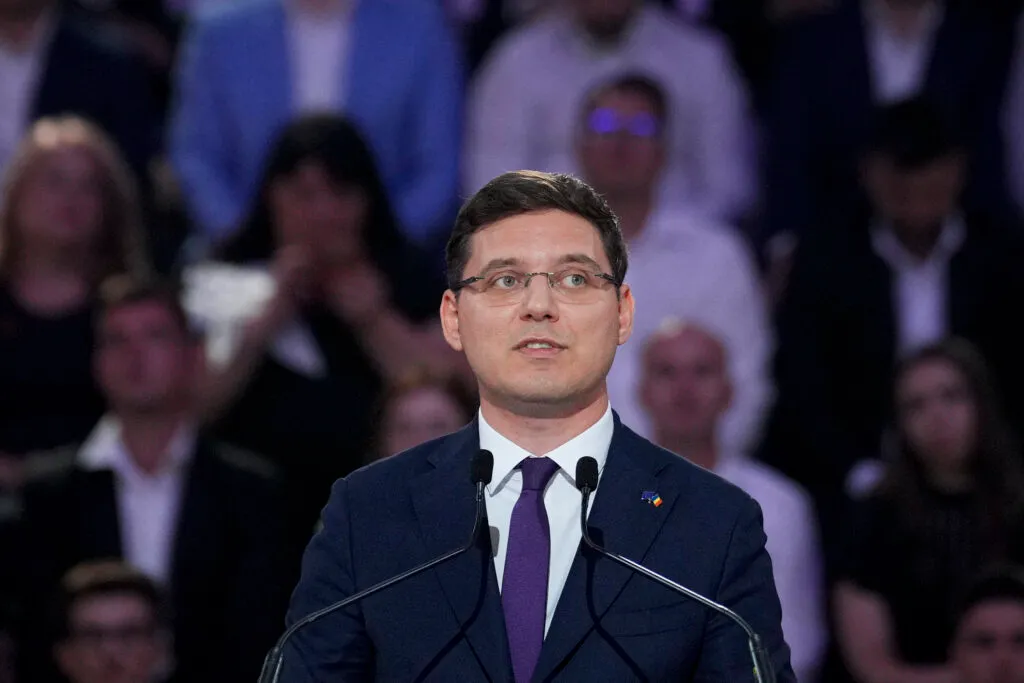
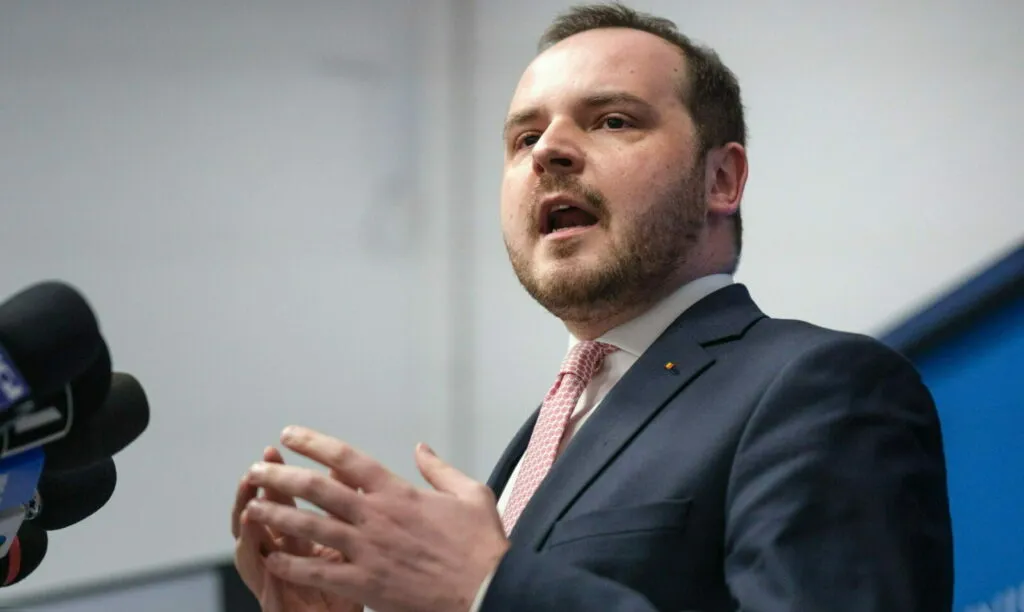
MEP Victor Negrescu, Vice-President of the European Parliament, has raised the alarm over the future EU budget for the 2028–2034 period. The proposal put forward by the Irish Presidency of the EU Council envisages cutting the common budget by €141 billion, bringing it to €1,622 billion (at 2025 prices) — 8% less than the initial proposal put forward by the European Commission.
"For Romania, the stakes are enormous. We are talking about funds for roads, schools, hospitals, agriculture, rural development, support for Romanian businesses, and job creation. Six out of every ten public investments in Romania since accession have been made with European money. It is essential that these risks to Romania are eliminated in the European negotiations," Negrescu wrote on Facebook.
Cuts to agriculture and the Erasmus+ programme
One of the concerns raised by Negrescu relates to agriculture: the proposed minimum threshold for average support per hectare is set to fall from €130 to €90, compared to the European Commission's proposal. According to the MEP, this change could deepen the disparities between subsidies granted to farmers in different member states. He argues that Romania must demand full convergence of subsidies and a separate, protected budget for rural development — not merely a threshold included within a common fund shared with other priorities.
Cuts are also planned for education: the Erasmus+ programme budget would be reduced by €1.66 billion compared to the European Commission's proposal, and by more than €8 billion below the level requested by the European Parliament.
Health, digitalisation, and civil protection hit by cuts
Negrescu also flagged a reduction of nearly €3 billion in joint funding for health, biotechnology, agriculture, and the bioeconomy. The new proposal does not include a distinct, protected allocation for a dedicated health programme of the EU4Health type.
Funding for digitalisation and artificial intelligence would be cut by more than €7 billion — a reduction of 13% compared to the European Commission's version. "While other economies are investing heavily in new technologies, Europe is discussing cutting investment for the next seven years. Given the negligible sums allocated from the national budget, Romania needs more European resources for research, digital infrastructure, and innovative businesses," Negrescu stated.
The MEP also drew attention to the approximately 35% reduction in funds for civil protection and health emergencies, and the approximately 55% cut to disaster solidarity funding.
Direct risk to Romania's allocations
Negrescu explained that the 80% protection mechanism does not guarantee that member states will fully retain their current allocations, meaning Romania could ultimately receive less European funding. Agriculture, rural development, and cohesion remain integrated within joint plans, with specific requirements and milestones similar to the PNRR model. Furthermore, the proposed deadlines for using the funds could place additional pressure on large infrastructure projects.
The MEP also criticised the absence of dedicated allocations for a Black Sea security hub and for affordable housing. Regarding the sources of financing for the EU budget, Negrescu believes that the European Parliament's proposals to tax online gambling and cryptocurrency gains should be considered.
A call for stable government in negotiations
Negrescu argues that Romania needs a fully empowered government and a stable parliamentary majority in order to defend its interests in the European negotiations. "We cannot afford a fragile political arrangement, permanently dependent on negotiations and short-term compromises, precisely at the moment when we need to defend Romania's interests in the most important European budget negotiations of the coming years. Romania must know what it is asking for in the European negotiations, which funds it wants to protect, and what alliances it is building to advance its interests," he stated.
As Vice-President of the European Parliament and coordinator of the Party of European Socialists' working group on the future EU budget, Negrescu indicated that he will continue to champion the protection of funds for agriculture and cohesion, as well as increased investment in education, health, and competitiveness. "It would be a strategic mistake to enter this decisive phase with a weak government or with additional risks of political instability. Romania needs a strong, coherent voice at the European negotiating table," he said.
European leaders are due to discuss the new budget proposal at the European Council meeting on 15–16 October in Brussels, with the aim of reaching a political agreement by the end of the year.
Content paraphrased and adapted by SeniorHelp from verified public sources.
Original source: Mediafax →Previous article
GPs recommend flu vaccination before the epidemic spreads
Next article
Depression in the elderly, mistaken for ageing: what signs to look out for
Similar news
College of Physicians calls for government reforms: on-call duties paid at 2017 salary levels
14 October 2026
 Foto ilustrativă
Patients with chronic illnesses warn they risk running out of treatments. Appeal to authorities
14 October 2026
Chronic patients' desperate plea: "Do not sign the death certificates!"
14 October 2026
 Foto ilustrativă
Crisis hits the state budget: 20,000 social care employees risk going without pay
14 October 2026
CNAS Opens Competition for 16 Director General Positions at Health Insurance Houses
14 October 2026
Health sector needs 8 billion RON by year's end, Rogobete warns
13 October 2026