
Romanian Seniors Vulnerable to Online Fraud: Only 30% Recognise Modern Scam Methods
Alarming study: most seniors cannot identify digital fraud, and 96% never recover their lost money.
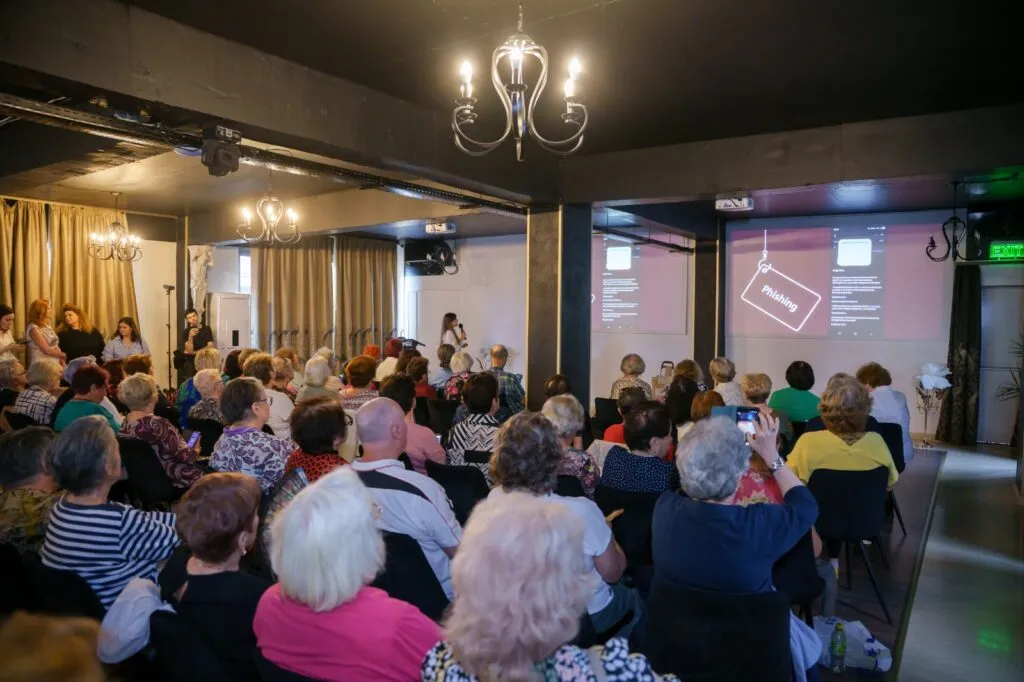
A national financial literacy campaign aimed at senior citizens has revealed a worrying reality: the majority of elderly people in Romania are extremely vulnerable to modern digital fraud. Only three in ten participants were able to correctly identify deceptive methods such as spoofing, phishing, or smishing.
At the first workshop held in București, over 150 pensioners took part in interactive learning sessions on digital security. The findings were alarming: nearly all participants reported having been targeted by online or telephone fraud attempts, and many admitted to having lost money after clicking on fake links or providing their banking details to scammers.
Shocking testimonies from victims
Maria, a 72-year-old pensioner, recounted how she came close to losing her savings after receiving a call from individuals posing as bank representatives. The fraudsters told her there had been suspicious activity on her account and urged her to confirm her personal details immediately to prevent her card from being blocked.
Similarly, Constantin, aged 68, fell victim to fraud after clicking a link received via text message, believing it to be a genuine notification from his bank. The link perfectly replicated the visual identity of the financial institution, making it extremely difficult to detect the deception.
Alarming statistics at a national level
Experts presented troubling data on the scale of the problem both in Romania and globally. One in three Romanians was targeted by phishing attempts in the past year, and approximately 60% of users cannot distinguish a genuine banking website from a cloned one.
Most concerning of all is the rate at which money is recovered: only 4% of victims of online banking fraud manage to recoup their losses. Phishing attacks account for nearly half of all reported digital fraud incidents, and senior citizens are amongst the most vulnerable groups.
Modern fraud methods targeting senior citizens
Specialists explained that modern fraud has become highly sophisticated, employing artificial intelligence, voice cloning, and false identities to gain victims' trust. Fraudsters rely on emotional manipulation and on seniors' limited familiarity with digital technology.
All of the pensioners who attended receive their pension payments by card and use digital banking services, most often with the help of family members — a circumstance that makes them even more vulnerable to cyberattacks.
The financial literacy campaign will continue over the coming months in major cities across the country, offering free cybersecurity sessions tailored specifically to the needs of senior citizens. The golden rule, repeated throughout: never share passwords, codes, or banking details over the phone, by text message, or via links received online.
Content paraphrased and adapted by SeniorHelp from verified public sources.
Original source: Mediafax →Previous article
Death Caused by Incompatible Blood Transfusion: Nurse Faces Trial for Medical Negligence
Next article
Public transport in Arad will cost just 1 RON per day from August
Similar news

Fewer and fewer young people are choosing Pharmacy: fewer candidates than places available in Iași and București
3 August 2026

Tragedy in Suceava: 90-year-old senior loses his life in a house fire
15 June 2026
 Foto ilustrativă
90-year-old Romanian woman graduates from university, inspiring others about lifelong learning at any age
12 June 2026
 Foto ilustrativă
Seniors with DallBogg RCA Policies: The Procedure for Compensation Following Licence Withdrawal
11 June 2026
 Foto ilustrativă
How to quickly check your ANAF debts from the comfort of your home – a guide for seniors
10 June 2026
 Foto ilustrativă
ANAF warns: fraudsters are posing as tax officials to steal personal data
27 May 2026