
How to Prepare an Emergency Plan for the Elderly Person in Your Home
What documents, contacts and safety measures every family with a senior in their care should have. A complete guide for crisis situations and rapid response.
Contents
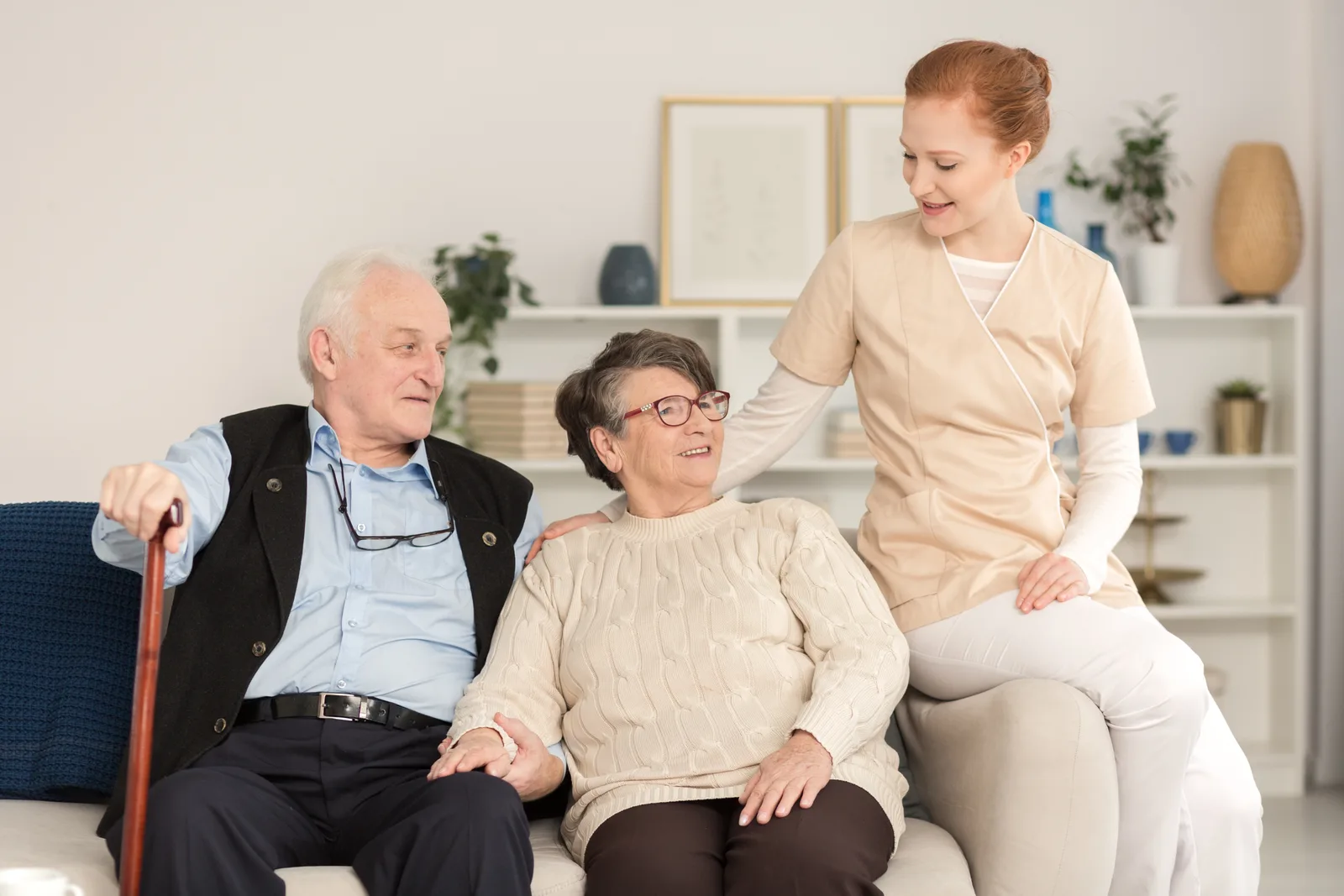
The phone rings at 3 in the morning. Your mother's voice is trembling: "I can't get up, I feel ill..." Or it's the neighbour knocking at the door: "Your father has fallen on the stairs, I've called an ambulance..." These aren't scenes from films — they are realities that families caring for an elderly person face every day. And in those moments, when every second counts, improvisation simply doesn't work.
A well-prepared emergency plan can make the difference between a quick, effective resolution and a situation that spirals into panic and serious medical complications. This isn't about pessimism or negative thinking — it's about responsibility and preventive care. Just as you keep a first aid kit at home or know where the fire extinguisher is, there must be a clear protocol for the crisis situations that could affect the elderly person in your family.
Whether they live alone or with family, whether they are independent or require constant care, every senior deserves the reassurance of knowing that, in an emergency, their loved ones know exactly what to do. Let's explore together how you can build this safety system for the person you love.
Contents
- What an emergency plan for seniors is and why it is vital
- The critical situations you need to anticipate
- The documents and medical information that save lives
- The emergency contact list: who, when, and how
- How to involve seniors and family in the emergency plan
- When to call an ambulance: clear warning signs
- Practical preparation: regular drills and checks
- Frequently asked questions
What an emergency plan for seniors is and why it is vital
An emergency plan for seniors is an organised set of information, procedures, and measures prepared in advance to respond quickly and effectively to critical situations that may arise in an elderly person's life. It is not a complex or bureaucratic document, but a practical tool that provides security for both the senior and their family.
Recent studies show that response time in the first minutes following a medical incident can dramatically influence the chances of recovery. When the whole family knows where the medications are kept, exactly what conditions their parent or grandparent has, who needs to be called and in what order, stress is reduced and effectiveness increases considerably.
Why having a plan in place is essential
Medical emergencies give no warning. A fall, a hypoglycaemic episode, chest pain, or sudden confusion can happen at any time, and the emotional shock can cloud clear thinking even in the seemingly calmest family members. A well-structured plan eliminates uncertainty and provides a clear guide to action.
- Reduces reaction time in critical situations by up to 50%
- Prevents errors caused by panic or lack of information
- Gives the senior psychological security and greater independence
- Facilitates rapid communication between doctors, family, and emergency services
- Protects the family from difficult decisions made in haste
The critical situations you need to anticipate
A comprehensive emergency plan must cover a broad range of situations, from medical emergencies to those caused by external factors. Each family must adapt the plan according to the senior's specific health condition, living arrangements, and available resources.
Common medical emergencies
These are the most frequent and require very clear intervention protocols:
- Falls — the leading cause of hospitalisation in elderly people, which can result in fractures, head trauma, or internal bleeding
- Sudden deterioration in general condition — confusion, extreme weakness, difficulty breathing, severe pain
- Strokes — rapid recognition of the signs (facial asymmetry, sudden weakness, slurred speech) is crucial
- Heart attacks — chest pain, cold sweats, severe anxiety
- Hypoglycaemia or hyperglycaemia — for diabetics, with specific protocols
- Adverse medication reactions — allergies, poisoning, interactions
Isolation and disaster situations
Although less often discussed, these scenarios can be life-threatening, particularly for seniors who live alone:
- Extended power cuts — affecting heating systems, medical equipment (oxygen concentrators, electric beds), and medication refrigeration
- Isolation due to extreme weather conditions — heavy snow, flooding, heatwaves
- Inability to communicate — broken phone, flat battery, a fall in an inaccessible area
- Sudden absence of the primary carer — accident, illness, family emergency
For each of these situations, the plan must include concrete steps: who intervenes, what resources are needed, where backup equipment is kept, and alternative phone numbers.
The documents and medical information that save lives
When an ambulance arrives or another family member needs to take charge quickly, immediate access to complete medical information can make the difference between a correct diagnosis and avoidable complications. These documents must be organised, kept up to date, and accessible to everyone involved in the person's care.
The emergency medical file
This should contain, in an easy-to-read format (A4 sheets, large font, clear categories):
- Complete personal details — full name, national identification number, date of birth, exact address, identity document series and number
- Contact person — at least two people with their relationship and phone numbers verified monthly
- GP details — name, surgery, landline and mobile number, opening hours
- Summary medical history — primary diagnosis, chronic conditions, major surgical procedures
- Complete medication list — brand name and INN, doses, frequency, how long taken, and the condition being treated
- Allergies and intolerances — to medications, food, and contact substances, along with the specific reactions
- Blood group and Rh factor — essential for emergency transfusions
- Implanted medical devices — pacemaker, prostheses, stents — with the type and date of implantation
Where and how to keep the documents
The best system is redundancy — the information must exist in several places, all quickly accessible:
- Original at home — in a brightly coloured folder, in a fixed location known to the whole family (not tucked away in hidden drawers)
- A copy on the fridge — emergency responders frequently check this spot; use a transparent pouch held on with a magnet
- A digital version — scanned or photographed, shared via cloud with the family and updated whenever changes are made
- Wallet or handbag — a laminated summary medical card with the vital information
- With a trusted neighbour — for situations where family cannot arrive quickly
The emergency contact list: who, when, and how
A well-structured contact list eliminates hesitation at critical moments. It must be clear, prioritised, and include alternatives for every level of emergency.
Priority medical contacts
- 112 — for immediate medical emergencies (loss of consciousness, severe chest pain, bleeding, suspected stroke)
- GP — for acute but non-life-threatening situations (fever, moderate pain, digestive complaints)
- Medical specialists — cardiologist, neurologist, diabetologist — with appointment details and surgery phone numbers
- Regular pharmacy — for quick consultations about medications or interactions
- Private ambulance service — an option for non-urgent transport to appointments or diagnostic tests
Family and social contacts
Establish a clear hierarchy — who is called first, who is the backup, and who makes decisions if the primary contact cannot be reached:
- Primary contact person (usually the one who lives nearest)
- Secondary contact person (backup)
- Trusted neighbours who can be there within minutes
- Carer or personal assistant, if applicable
- Emergency social services for the relevant district or locality
- Spiritual support, if this is important to the senior
How to involve seniors and family in the emergency plan
An emergency plan does not work if it is created unilaterally, without consulting the most important person involved: the senior themselves. Respect for autonomy and dignity remains essential, even in contexts of vulnerability.
The conversation with the elderly person: empathy and pragmatism
Approach the subject calmly and openly, avoiding an alarmist or paternalistic tone. Explain that the plan does not mean you consider them incapable, but that you want you both to feel safer. Many seniors appreciate this kind of care when it is presented in the right way.
- Choose a calm moment — not after an incident or an argument
- Involve them in the decisions: "What would you want us to do if...?", "Who would you like us to call first?"
- Respect their refusals and fears — some people have anxiety around hospitals or ambulances
- Test the system together — press the panic button, check the emergency phone
- Update the plan together, not behind their back
Coordinating the family — who does what
Distribute roles clearly and make sure everyone knows their responsibilities. Avoid assumptions such as "surely they know where the medications are."
- Primary coordinator — makes quick decisions, communicates with doctors
- Secondary coordinator — takes over immediately if the first is unavailable
- Logistics coordinator — fetches medications, organises transport, manages the household
- Communications coordinator — keeps the rest of the family, neighbours, and services informed
Hold regular family meetings (every few months) to review the plan, discuss changes in the senior's health, and ensure that all contact details are still working.
When to call an ambulance: clear warning signs
Many families hesitate to call 112, either fearing they are overreacting or not wanting to cause a fuss. However, there are situations in which every minute counts and a delay can have serious or even fatal consequences.
Situations requiring an immediate call to 112
Do not hesitate to call an ambulance in these cases — paramedics would always rather respond to a false alarm than reach a patient too late:
- Severe chest pain lasting more than a few minutes, radiating to the arm, neck, or jaw
- Severe difficulty breathing — a sensation of suffocation, blue lips or fingernails, rapid and shallow breathing
- Loss of consciousness — even if temporary
- Sudden confusion — not recognising people, not knowing where they are, incoherent speech
- Sudden weakness on one side of the body — arm, leg, or facial asymmetry
- Slurred speech or inability to speak — even if the person appears conscious
- A fall with head trauma — a blow to the head followed by vomiting, confusion, or severe headache
- Bleeding that does not stop after 10 minutes of applied pressure
- Seizures — especially if occurring for the first time
When to contact the GP or A&E
For acute situations that are not immediately life-threatening, you may contact the GP first or make your own way to A&E:
- Fever above 38.5°C that does not respond to antipyretics
- Persistent abdominal pain, nausea, or repeated vomiting
- Urinary tract infections with acute symptoms
- Wounds requiring stitches but without heavy bleeding
- Moderate allergic reactions (without difficulty breathing)
Practical preparation: regular drills and checks
An emergency plan that has never been practised is like a first aid kit that has never been opened — it gives a false sense of security, but when the critical moment arrives, it may fail. Regularly practising the procedures turns information into instinct and reveals gaps in the system before they become real problems.
Simple and effective drills
These do not need to be dramatic or stressful — treat them as a normal safety exercise:
- Test the panic buttons — check monthly that emergency bracelets or pendants are working
- Simulate a call to 112 — without dialling the actual number, say out loud what you would say: the exact address, the symptoms, the personal details
- Check that documents are accessible — ask a family member to find the medical file in under one minute
- Test the communication chain — send a test message to all emergency contacts and time how long responses take
Quarterly checklist
Every three months, go through this checklist to keep the plan up to date:
- Are all phone numbers still working?
- Have any medications changed? Is the list updated?
- Have any new diagnoses or complications arisen?
- Are the batteries in emergency devices charged?
- Are the torch, emergency radio, and water supply in working order?
- Do neighbours and family know the latest version of the plan?
- Have the senior's routine or physical capabilities changed?
Frequently asked questions
How often should the emergency plan be updated?
The plan should be fully reviewed every 3–6 months, or immediately after any major change: a new diagnosis, a change in treatment, a change of address, or a new carer. Emergency contact details should be checked monthly to ensure all numbers are still working.
What if the elderly person refuses to discuss emergencies?
Approach the subject gradually and indirectly — you might start with your own plan ("I've made a list for myself, what do you think?") or with a positive example ("Our neighbour Mrs Ionescu has a really simple system, shall we do something similar?"). Respect their fears and return to the subject later with patience. Sometimes involving the GP helps to normalise the conversation.
Is a panic button or a special phone necessary?
For seniors who live alone, especially those with a history of falls or heart conditions, a medical alert system (a bracelet or SOS pendant) is a worthwhile investment. It costs around 50–150 RON per month and can save lives. A simpler alternative is a mobile phone with large buttons and pre-programmed numbers.
What should I do if I am alone with the elderly person when an emergency occurs?
Call 112 first and put the phone on speaker so your hands are free. Follow the instructions of the emergency dispatcher — they are trained to guide you through every step. Do not attempt procedures you are not familiar with. If possible, ask a neighbour to come urgently to help you, but do not leave the person in danger to go and fetch help.
What information should I give the 112 operator?
Stay calm and clearly state: the exact address (street, number, building, staircase, floor, flat number), the person's approximate age, what has happened (fall, pain, confusion), and whether they are conscious and breathing. The operator will ask about specific symptoms and will guide you. Do not hang up until you are explicitly told to do so.
Do I need to notify social services if I have an emergency plan at home?
It is not compulsory, but if you are already receiving social services or support from the local authority, it is useful to inform them that the plan exists and to give them a copy of the main contacts. For seniors who live alone or are particularly vulnerable, social workers can become part of the safety network and carry out periodic welfare checks.
Preparing an emergency plan for the elderly person in your family is not an act of fear, but one of responsibility and love. It is proof that you care enough to anticipate, to organise, and to provide security in the moments that matter most. Start today with the simple steps — organise the documents, check the contacts, and have an open conversation with your family. The safety and peace of mind this effort brings are more than worth it.
This article is for informational purposes only and does not replace medical advice. Please consult a specialist for your specific situation.
Previous
Myths and Truths About Osteoporosis and Bone Health
Next
Urinary Catheter Care for an Elderly Person at Home: A Guide for Families
Similar articles
Prevenirea escarelor: ce trebuie să știe orice familie
6 October 2026
5 Practical Tips for Managing Incontinence in the Elderly
6 October 2026
How to Address the Rights of Elderly Patients in Romania: Practical Steps
6 October 2026
Cognitive Stimulation for Elderly People with Dementia: Practical Home Exercises
6 October 2026
How to Manage Enteral Nutrition for an Elderly Person at Home: A Practical Guide
5 October 2026

How to Manage the Emotional Well-being of an Elderly Person Living Alone at Home
4 October 2026