
How to Recognise and Prevent Dehydration in the Elderly: Signs and Solutions
Dehydration in seniors can develop quickly and lead to serious consequences. Learn how to recognise the warning signs, adjust fluid intake, and act promptly to safeguard your loved one's health.
Contents
Maria noticed that her 78-year-old mother had suddenly become confused and disoriented one summer morning. At A&E, the diagnosis was surprisingly straightforward: severe dehydration. "I had no idea the problem could be so serious," Maria confessed. "Mum kept saying she wasn't thirsty, so I didn't press the matter." This situation is far from unusual – dehydration is one of the most common causes of hospitalisation in older adults, and it is often underdiagnosed until it becomes a medical emergency.
For families caring for an elderly parent, understanding the mechanisms of dehydration and recognising the early warning signs can mean the difference between an ordinary day and a medical crisis. Did you know that an older adult can lose up to 2 litres of fluid per day through perspiration and breathing alone, without necessarily feeling thirsty? The ageing body works differently, and what seemed straightforward at 40 becomes a genuine challenge after 70.
In this guide, we will explore together why our parents and grandparents are more vulnerable to dehydration, how to recognise the warning signs before they become serious, and – most importantly – what practical strategies we can apply every day to protect our loved ones. Whether you are caring for a parent at home or monitoring a grandparent's health from a distance, the information that follows will give you the tools you need to prevent this avoidable problem.
Contents
- Why older adults are more vulnerable to dehydration
- Warning signs of dehydration: from mild to severe
- How much should a senior drink, and how to adapt their intake
- Practical strategies for increasing fluid intake
- Foods that hydrate: an alternative to a glass of water
- When dehydration becomes a medical emergency
- Special precautions during hot weather and illness
- Frequently asked questions
Why older adults are more vulnerable to dehydration
Ageing brings profound physiological changes that transform dehydration from a temporary discomfort into a real health risk. Understanding these mechanisms helps us to be more attentive and proactive in caring for our loved ones.
The first – and perhaps most surprising – factor is a diminished sense of thirst. Whilst a younger adult's body clearly signals the need for fluids, this natural mechanism becomes increasingly less efficient in older people. Studies show that after the age of 65, the receptors that detect dehydration and trigger the sensation of thirst gradually lose their sensitivity. In practice, a senior can already be moderately dehydrated without feeling any need to drink water. This is why asking "Are you thirsty?" is no longer a reliable indicator.
Medical factors that increase the risk
Beyond the natural changes of ageing, a number of medical factors increase vulnerability to dehydration:
- Diuretic medications – frequently prescribed for hypertension or heart failure, these increase fluid elimination through urine
- Uncontrolled diabetes – elevated blood sugar causes water loss through urine, creating a vicious cycle
- Kidney disease – impairs the body's ability to regulate fluid balance
- Dementia and cognitive disorders – patients may forget to drink or no longer recognise the body's signals
- Swallowing difficulties – make the act of drinking uncomfortable or even frightening
Reduced mobility: an invisible obstacle
One often-overlooked aspect is the impact of reduced mobility on hydration. A senior who has difficulty moving around or suffers from joint pain may avoid drinking in order to avoid frequent trips to the toilet. Whether it is the fear of falling on the way to the bathroom at night, or the embarrassment of having to ask for help, the result is the same: an insufficient fluid intake that accumulates day by day.
Furthermore, older adults have a lower proportion of water in their body compared with younger adults – approximately 50% of body weight, compared with 60% in younger people. This reduced reserve means that the effects of dehydration set in more quickly and can be more severe.
Warning signs of dehydration: from mild to severe
Early recognition of dehydration can prevent serious complications. In older adults, the signs are not always obvious and can be mistaken for other health problems or for "normal ageing." Here is what to look out for, organised by level of severity.
Mild dehydration: the first signals
At this stage, intervention is simple and swift, but requires constant attention from the family:
- Dry mouth and lips – a visible sign that is easy to check
- Less frequent urination – fewer than 4–5 times per day
- Dark-coloured urine – ranging from deep yellow to amber
- Unusual fatigue – low energy for no apparent reason
- Reduced skin elasticity – when you gently pinch the skin on the senior's hand, it returns to normal more slowly than usual
Moderate dehydration: when the situation becomes concerning
If mild dehydration is not corrected, symptoms worsen and may include:
- Confusion and disorientation – the most alarming sign in older adults, often mistaken for dementia
- Dizziness and unsteadiness – increased risk of falls
- Sunken eyes – a characteristic appearance, particularly noticeable in the morning
- Low blood pressure – a feeling of weakness upon standing
- Rapid pulse – the body's attempt to compensate
Severe dehydration: a medical emergency
The following signs require immediate medical attention – call 112 or go directly to A&E:
- Extreme confusion or loss of consciousness
- Inability to retain any fluids
- No urination for over 8 hours
- Very rapid or very weak pulse
- Seizures or a temperature above 39°C
- Rapid, shallow breathing
It is important to understand that in older adults, mental confusion may be the only visible sign of moderate to severe dehydration. If a senior suddenly becomes disoriented, irritable, or their behaviour changes for no apparent reason, dehydration should be considered as the first possibility – particularly during hot months or periods of illness.
How much should a senior drink, and how to adapt their intake
General guidelines suggest 1.5–2 litres of fluids per day for an adult, but for older people the picture is more nuanced. The precise amount depends on body weight, state of health, current medication, and the season.
A practical rule accepted by specialists is approximately 30 ml of fluid per kilogram of body weight. For a senior weighing 70 kg, this equates to around 2 litres per day. However, this amount must be adjusted according to circumstances: it should increase on hot days and when there is fever, diarrhoea, or vomiting, and may be slightly reduced in cases of certain cardiac or renal conditions (always under medical guidance).
When a senior refuses to drink: empathetic strategies
The greatest challenge for families arises when a senior refuses to drink water. "I'm not thirsty," "I've had enough," "It upsets my stomach" – these are all common responses that often conceal other fears or discomforts. Here is how you can approach the situation:
- Understand the real reason – speak openly: is it a fear of incontinence? Is the water too cold or does it have an unpleasant taste? Are there swallowing difficulties?
- Offer alternatives – herbal teas, soups, diluted natural juices, water with a hint of lemon or mint
- Establish predictable routines – a glass of water with every meal, one after taking medication, one before bed
- Use appropriate vessels – smaller glasses (as a large glass can feel overwhelming), with a straw for those with tremors, and insulated cups to maintain a preferred temperature
- Monitor without criticising – instead of "You need to drink more water!", try "I've made your favourite tea – shall we have a cup together?"
For seniors with dementia or cognitive impairment, the "constant offering" technique works best: bring a glass every few hours without insisting, offering a few sips each time. This is more effective than asking them to drink an entire glass in one go.
Practical strategies for increasing fluid intake
The theory is clear, but putting it into practice in everyday life requires creativity and perseverance. Here are strategies that have been tried and tested by families who have successfully improved the hydration of the seniors in their care.
Creating a visible and easy-to-follow routine
A routine reduces the mental effort required to make the decision to drink water. Establish fixed moments throughout the day associated with hydration:
- A glass of water upon waking, before breakfast
- Fluids with each of the three main meals
- A glass at midday and one in the afternoon, between meals
- Warm tea or milk an hour before bed
Use visual markers: transparent bottles with lines indicating how much water should be consumed by certain times of day, different-coloured glasses for each moment of the day, or even simple phone apps with alarms and reminders (if the senior is comfortable with technology).
Adapting the physical environment
Sometimes the obstacles are more mundane than we might imagine. Simple changes to how a space is organised can make a significant difference:
- Accessibility – keep water within easy reach in every room where the senior spends time
- Visibility – use coloured glasses or bottles that catch the eye and serve as a reminder to stay hydrated
- Comfort – stable chairs near hydration points, tissues within reach in case of spills
- Temperature – some seniors prefer water at room temperature rather than cold from the fridge
Active family involvement
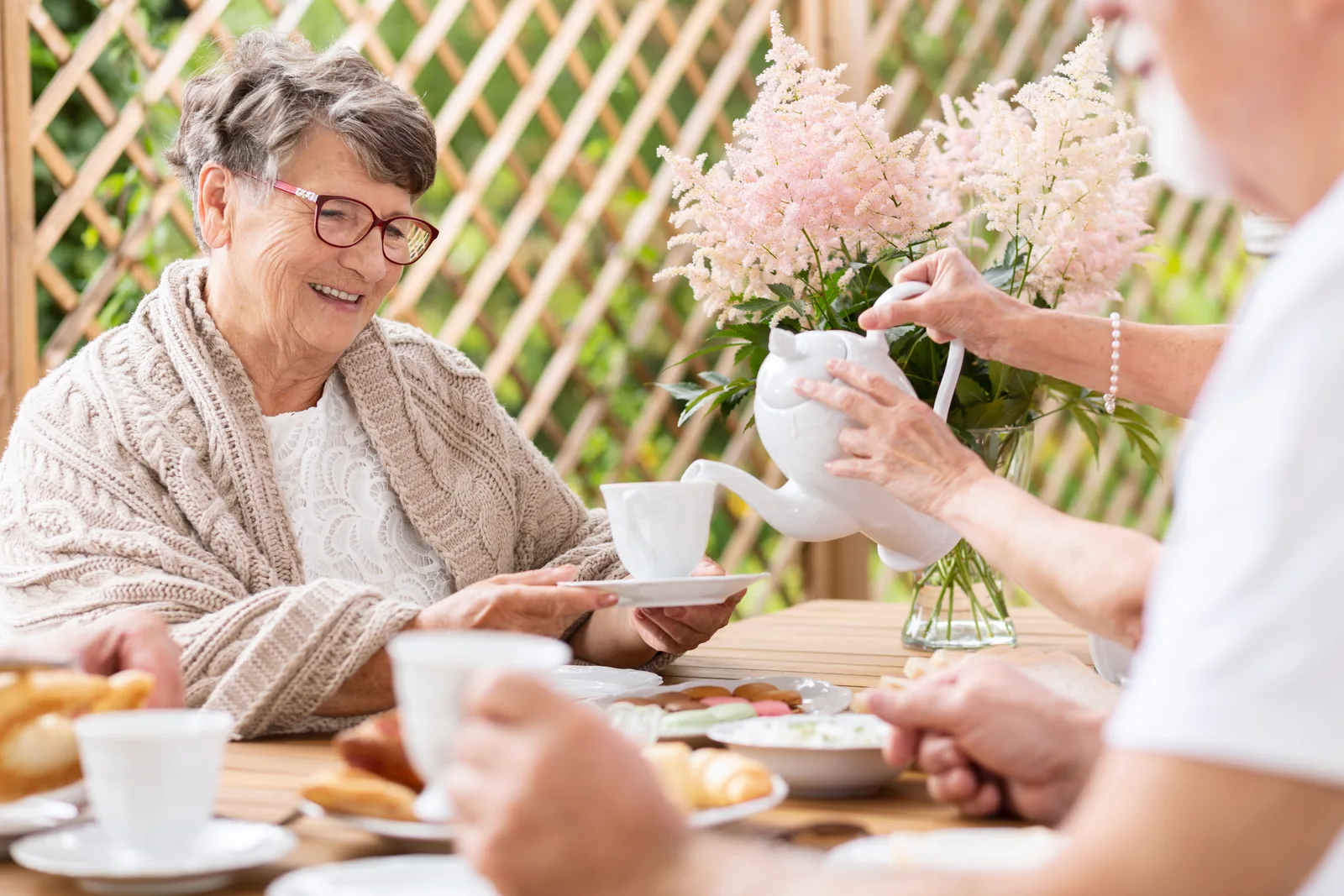
Hydration can become a social ritual rather than a chore. Drink water alongside the senior, turning the moment into an opportunity for conversation. If you live some distance away, arrange a daily call at a fixed time when you can ask, "What have you had to drink today?" or "Shall we have a cup of tea together over the phone?"
For families who have engaged a carer, ensure that the hydration protocol is clearly understood and documented. A simple log in which the approximate quantity of fluids consumed is recorded can provide a clear picture and assist with adjustments.
Foods that hydrate: an alternative to a glass of water
When refusal of water becomes persistent, foods with a high water content represent an excellent solution that is often more readily accepted. Approximately 20–30% of daily fluid requirements can come from food, and for seniors with a good appetite, this proportion can be even higher.
Top foods with a high water content
- Cucumbers (96% water) – fresh in salads or as a snack
- Watermelon (92% water) – sweet, refreshing, and perfect in summer
- Tomatoes (94% water) – in salads, soups, or juices
- Soups and broths – nourishing and hydrating at the same time
- Yoghurt and kefir – excellent for digestion and hydration
- Citrus fruits (oranges, grapefruit) – rich in vitamin C and water
- Raspberries, strawberries, honeydew melon – popular seasonal fruits
Practical ideas for hydrating meals
Incorporate these foods strategically into the daily menu. A vegetable soup at lunchtime provides both hydration and essential nutrients. A smoothie made from fresh fruit can be a delicious and nourishing snack. Fresh salads with cucumber, tomatoes, and peppers, dressed with a light dressing, make an excellent complement to a meal.
For seniors with swallowing difficulties, natural juices (not commercial varieties laden with sugar), smoothies, or cream soups are safe and easy-to-consume options. Ice lollies made from fruit juice or tea can be sucked slowly and provide both hydration and a cooling effect on hot days.
When dehydration becomes a medical emergency
There are times when home intervention is no longer sufficient and emergency medical assistance is required. Recognising these situations and acting promptly can save lives.
Clear signs of emergency
Call 112 immediately or go to your nearest A&E department if you observe:
- Altered state of consciousness – the senior is no longer responding coherently, is extremely confused, or loses consciousness
- Inability to retain fluids – persistent vomiting that prevents oral rehydration
- Neurological symptoms – seizures, sudden weakness in the limbs, or speech difficulties
- Signs of shock – cold, clammy skin; a very weak or irregular pulse; blue-tinged lips or fingernails
- Diarrhoea or vomiting lasting more than 24 hours – particularly if accompanied by blood
What to do whilst waiting for the ambulance
Whilst awaiting medical assistance, there are several steps you can safely take:
- Position the senior comfortably, lying on their back with their legs slightly elevated (if they are conscious)
- Offer small sips of water if the person is conscious and able to swallow
- Ventilate the room and, if it is warm, cool them gently with damp cloths on their forehead and neck
- Do not give anything to drink to a person who is unconscious or confused and unable to swallow
- Prepare a list of their current medications and relevant medical information for the emergency team
At hospital: what to expect
In severe cases of dehydration, intravenous rehydration is necessary. Doctors will administer saline solutions via a drip to rapidly restore fluid and electrolyte balance. Blood tests will be carried out to check kidney function and levels of sodium, potassium, and other electrolytes, and vital signs will be monitored continuously.
Hospitalisation may last from a few hours (in moderate cases) to several days (when complications arise). Following discharge, the doctor will provide specific recommendations to prevent recurrence, and may also adjust ongoing medication.
Special precautions during hot weather and illness
Certain times of year and health conditions call for heightened attention to hydration. Summer and episodes of illness are the periods when the risk of dehydration increases exponentially.
Strategies for hot days
High temperatures during the summer months make hydration a daily priority. Here is how to protect the senior in your care:
- Increase fluid intake by an additional 500–750 ml per day compared with cooler periods
- Maintain a comfortable indoor temperature – use air conditioning or fans, and close curtains during the hottest part of the day
- Avoid sun exposure between 11am and 5pm, when rays are at their strongest
- Dress the senior in light clothing made from natural fabrics that allow the skin to breathe
- Offer refreshing drinks – water, cold teas, cold soups (gazpacho), diluted natural juices
- Monitor daily for signs of dehydration, particularly if the senior is taking diuretics
Hydration during illness
Fever, diarrhoea, vomiting, or even a simple cold dramatically increase fluid loss. During these periods:
- Increase intake preventatively – even if the senior has no appetite, gently encourage frequent small sips
- Use oral rehydration solutions – available from pharmacies, these help restore electrolyte balance
- Monitor temperature – fever increases perspiration and the need for fluids
- Contact the doctor if vomiting or diarrhoea persists for more than 12–24 hours
- Offer easily digestible foods – soups, purées, yoghurt, and bananas, which do not place excessive strain on the digestive system
One frequently overlooked aspect: after an illness, even once the acute symptoms have resolved, the body needs several days to rehydrate fully. Do not ease up on your vigilance the moment the senior starts to feel better.
Frequently asked questions
How do I know whether my mother is drinking enough if I don't live with her?
Arrange regular calls (daily or every other day) during which you discuss her hydration routine. Ask her to keep a simple log, or to use a designated glass that she fills in the morning and must empty by the evening. When you visit, check the colour of the urine in the toilet and the condition of her skin – these are visible indicators that are quick to assess.
Do coffee and tea count towards daily fluid intake?
Yes, largely. Although they have a mild diuretic effect, recent studies show that moderate consumption (2–3 cups per day) does contribute to overall hydration. That said, they should not be the only source of fluids, and plain water remains the best option. Avoid excessive coffee intake and energy drinks.
What should I do if my parent has dementia and forgets to drink water?
Establish a strict routine with alarms or visual reminders. Offer fluids at fixed intervals (every 2 hours), in small amounts. Use colourful, appealing cups, offer drinks they enjoy (juices, smoothies), and include water-rich foods at every meal. You may also wish to consider a monitoring system or a professional carer who can oversee hydration on a daily basis.
Can dehydration be mistaken for other medical problems?
Absolutely. Confusion caused by dehydration is often misinterpreted as cognitive decline or a stroke. Dizziness may be attributed to inner ear problems, and fatigue to depression. For this reason, any sudden change in behaviour or general condition in an older person should raise suspicion of dehydration – particularly during the warmer months.
Can I use apps or devices to monitor hydration?
Yes. There are simple mobile apps that send hydration reminders and allow you to log the amount of fluid consumed. For seniors who are less comfortable with technology, smart bottles with LED markers – or even simple, clearly marked transparent bottles – can work extremely well. The key is to choose a method that the senior is both able and willing to use consistently.
How long does it take to fully recover from moderate dehydration?
Initial recovery, with improvement of acute symptoms, can occur within 24–48 hours of consistent rehydration. However, fully restoring electrolyte balance and optimal kidney function may take up to a week. During this period, maintain an increased fluid intake and monitor carefully for any persistent or recurring symptoms.
Caring for the hydration of an elderly family member may feel overwhelming at first, but with attentiveness, routine, and tailored strategies, it becomes a natural part of daily life. Every glass of water drunk, every bowl of soup finished, and every day free of dehydration symptoms is a victory in preserving the health and quality of life of someone you love. If you notice worrying signs or have any doubts, do not hesitate to consult the GP – early intervention always makes a difference. The wellbeing of those we care for begins with simple gestures, repeated with care every single day.
This article is intended for informational purposes only and does not replace medical advice. Please consult a specialist for individual concerns.
Previous
Urinary Catheter Care for an Elderly Person at Home: A Guide for Families
Next
How to Manage Faecal Incontinence in Elderly People: A Complete Guide
Similar articles

Volunteering in Care Homes for the Elderly: How to Involve Family and Community
7 October 2026
Preventing Pressure Sores: What Every Family Should Know
6 October 2026
5 Practical Tips for Managing Incontinence in the Elderly
6 October 2026
How to Address the Rights of Elderly Patients in Romania: Practical Steps
6 October 2026
Cognitive Stimulation for Elderly People with Dementia: Practical Home Exercises
6 October 2026
How to Manage Enteral Nutrition for an Elderly Person at Home: A Practical Guide
5 October 2026