
Coffee could reduce the risk of liver disease, a new study suggests
A study of over 350,000 people shows that those who drink a lot of coffee have a lower risk of cirrhosis, liver cancer, and death caused by liver disease.

A new study published in the journal Clinical Gastroenterology and Hepatology shows that people who drink more coffee, including decaffeinated varieties, have a lower risk of developing serious liver disease. The research was reported by Euronews.
For this study, scientists analysed data from more than 350,000 participants in the UK Biobank database — people who had no cirrhosis or liver cancer at the start of the research. Their progress was monitored over 13 years.
The results show that people who drank five or more cups of coffee per day had:
- a 32% lower risk of developing cirrhosis;
- a 47% lower risk of liver cancer;
- a 42% lower likelihood of dying from liver disease, compared with those who drank less coffee.
The strongest association was observed in people who drank three to four cups of coffee per day. Even moderate consumption of one to two cups daily was linked to a significantly reduced risk of liver disease.
The authors highlight the broader context of these findings: according to a 2023 study, liver disease causes approximately two million deaths worldwide each year, accounting for around 4% of all deaths, roughly two thirds of which occur amongst men.
The researchers also noted that those who drank more coffee had lower levels of fat and iron in the liver, as well as a lower degree of hepatic fibrosis and inflammation. Blood tests also revealed higher levels of proteins associated with healthy liver function, and lower levels of inflammation and scarring markers.
"Our findings support moderate coffee consumption in people who already drink it and tolerate it well," said the study's lead author, Ju Dong Yang. He noted, however, that the study does not demonstrate a direct causal relationship: "We do not recommend that anyone start drinking coffee solely to protect their liver based on the results of this study alone."
Another important point is that both caffeinated and decaffeinated coffee were associated with similar benefits, suggesting that the protective effects are not solely attributable to caffeine. According to another study author, Shelly Lu, coffee may influence liver health through mechanisms related to inflammation and fibrosis, and these findings could open up new avenues for research.
Ju Dong Yang emphasises that the prevention of liver disease must continue to rely on well-established measures: maintaining a healthy weight, limiting alcohol consumption, taking regular physical exercise, and managing blood sugar levels, blood pressure, and cholesterol.
The authors also note that excessive caffeine intake can have adverse effects, including increased heart rate, palpitations, high blood pressure, anxiety, and sleep disturbances. For most adults, the limit considered safe is up to 400 milligrams of caffeine per day, equivalent to approximately four cups of coffee or tea.
Content paraphrased and adapted by SeniorHelp from verified public sources.
Original source: Digi24 →Previous article
CDC warns: extreme heat can make common medications dangerous
Next article
Warning: Romania risks no longer being able to pay pensions and salaries
Similar news

Winter Time and the Body: What Studies Show About Sleep, Energy and Health
5 October 2026

Recurring heartburn can be a sign of gastro-oesophageal reflux disease
5 October 2026

Japanese Monk Begins 12 Years of Total Isolation: What Science Says About the Effects of Loneliness
3 October 2026
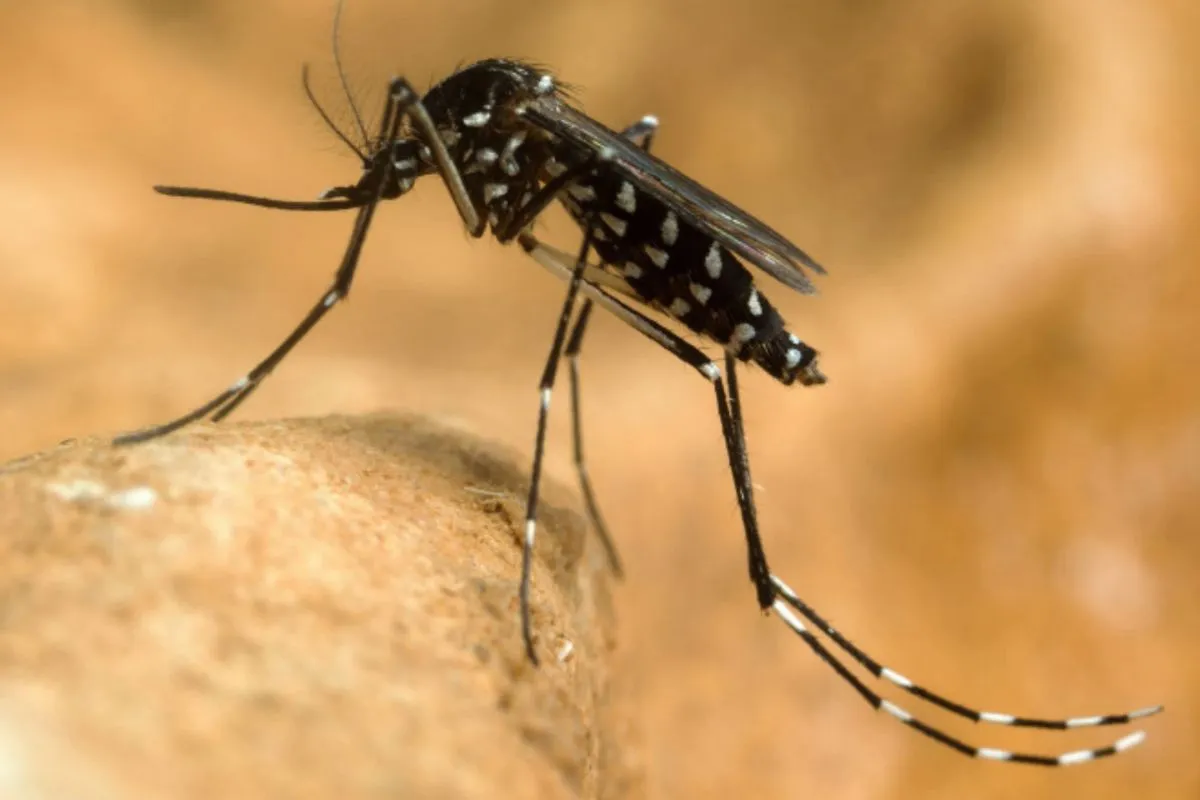
West Nile in Romania: 117 cases and 7 deaths reported by INSP this season
2 October 2026
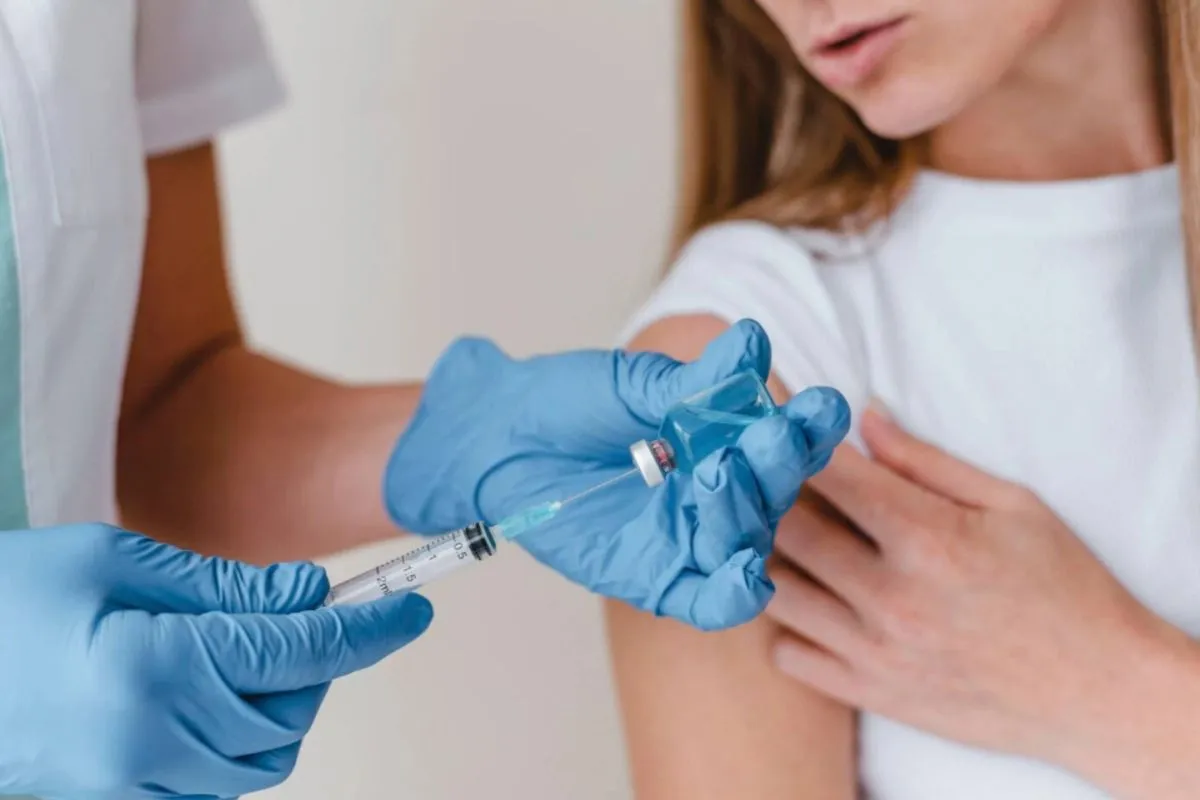
Flu vaccination has begun: who receives the vaccine for free and who gets a 50% subsidy
2 October 2026

COPD and Severe Asthma: Major Risks for Patients and the Healthcare System
2 October 2026