
New Funding Rules for ICU Wards: Major Impact on Critical Care for Seniors
Changes to the funding of intensive care units that will directly affect the quality of care for elderly patients in critical condition.
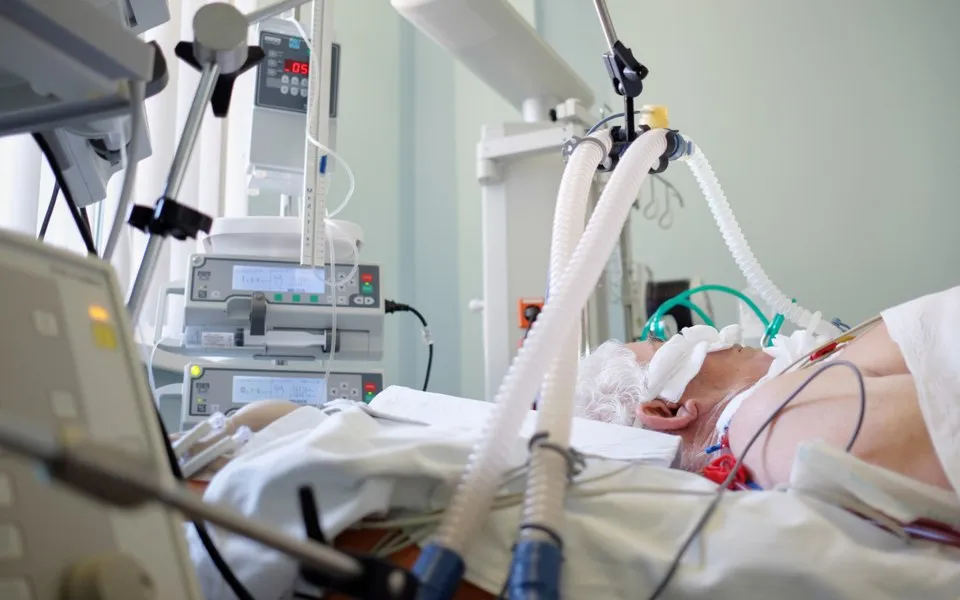
The Romanian healthcare system is preparing for a significant transformation in intensive care, through the announced changes to the national Priority Actions ATI programme. These modifications to the funding of Anaesthesia and Intensive Care (ATI) units will have a direct impact on the quality of medical services provided to elderly patients, who account for a considerable proportion of admissions to these specialist units.
Older people are frequently patients in ATI units due to complications associated with age-related chronic conditions, such as cardiovascular, respiratory and neurological diseases. Changes to the funding system could dramatically affect both the access to, and quality of, care they receive at the most critical moments of their treatment.
The introduction of new activities eligible for funding under the AP-ATI programme may mean improvements in the provision of modern medical equipment, enhanced monitoring procedures and the possibility of implementing more advanced therapeutic protocols. All of these aspects are crucial for elderly patients, who require particular attention owing to the fragility of their bodies and their heightened risk of complications.
For families with elderly members, these changes bring both opportunities and uncertainties. On one hand, improved funding may lead to higher-quality medical services and more advanced technology. On the other hand, the transition period and the implementation of new rules may temporarily create inconsistencies in service delivery.
Specialists in the field of geriatrics emphasise the importance of intensive care tailored to the specific needs of older patients. They require not only high-performance equipment, but also medical staff who specialise in the particularities of treating elderly patients — professionals who understand the complexity of multiple conditions and the drug interactions specific to this age group.
Placing the draft under public consultation gives all interested parties — doctors, patients, families and relevant organisations — the opportunity to express their views and contribute to shaping a funding policy that genuinely addresses the needs of both the healthcare system and its patients. It is essential that the voice of those representing older people is heard throughout this consultative process.
The successful implementation of these changes will depend largely on how resources are managed and on the system's capacity to adapt swiftly to the new requirements. For older people who need intensive care, these changes could make the difference between a full recovery and long-term complications.
Content paraphrased and adapted by SeniorHelp from verified public sources.
Original source: Adevărul →Previous article
Ischaemic Stroke and Pulmonary Thromboembolism - Major Risks for Seniors
Next article
Underdiagnosis of Blood Disorders in Seniors Dramatically Reduces Survival Chances
Similar news

Microplastics in tap water can be reduced through boiling and filtering, a study shows
16 October 2026

Over 350,000 doses of flu vaccine to arrive in pharmacies next week
16 October 2026
First influenza-related death of this season confirmed by INSP: unvaccinated man from Cluj
16 October 2026

Partial Nephrectomy: The Operation That Treats Kidney Tumours and Preserves the Kidney
16 October 2026

Time spent in nature could improve one's relationship with food, a British study suggests
16 October 2026
What a liver operation involves: preparation and recovery
15 October 2026