
Family Support in Parkinson's Disease: What You Can Do in Practice
Discover how you can truly support a loved one diagnosed with Parkinson's – from adapting the home to communication, exercise, and knowing when to call in a specialist.
Contents
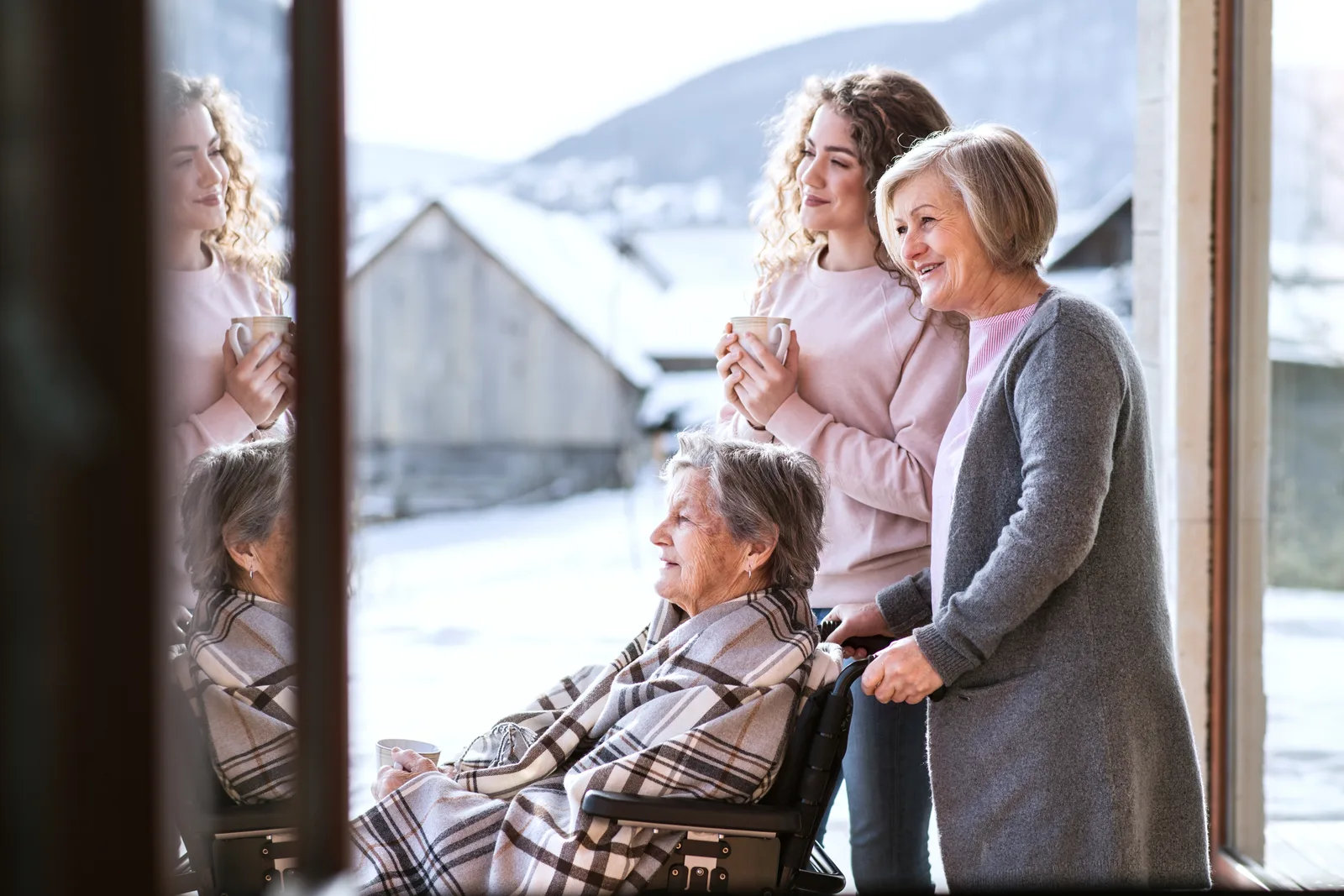
When a loved one receives a Parkinson's disease diagnosis, the entire family enters a period of profound adjustment. The tremors, muscle rigidity, and movement difficulties don't only affect the person diagnosed – they change the dynamics of the whole household, daily routines, and relationships built over a lifetime. And yet, amid this challenge, there is a truth that specialists consistently repeat: family support makes an enormous difference to the progression of the disease and to the quality of life of the person affected.
Parkinson's disease is a progressive neurological condition affecting over 40,000 people in Romania, a figure that grows year on year as life expectancy increases. Most patients are diagnosed after the age of 60, though symptoms can appear earlier. For families, the essential question is not "why did this happen?" but "what can we do now?"
This article offers you concrete answers – not complicated medical theories, but practical steps you can take this very week. From adapting your living space to communication techniques, from physical exercise to knowing when professional help becomes necessary, you will discover that whilst Parkinson's disease cannot be cured, life alongside it can be lived with dignity, warmth, and hope.
Contents
- Understanding Parkinson's disease: the first step towards genuine support
- Communicating with the person diagnosed: empathy and patience
- Adapting the home for safety and independence
- Building a beneficial daily routine
- Movement as medicine: recommended exercises
- Adapted nutrition and proper hydration
- Emotional wellbeing of the patient and family
- When to seek specialist care
- Frequently asked questions
Understanding Parkinson's disease: the first step towards genuine support
To offer authentic support, we must first understand what we are dealing with. Parkinson's disease occurs when the nerve cells in the brain that produce dopamine – a neurotransmitter essential for controlling movement – begin to deteriorate gradually. The result? Symptoms that manifest differently from person to person, but which share several common features.
The main symptoms include resting tremors (often beginning in a single hand), muscle rigidity, slowing of movement, and balance problems. However, there are also less visible symptoms: constipation, sleep disturbances, loss of smell, depression, and anxiety. These "hidden" manifestations are often overlooked, even though they can significantly affect quality of life.
What to know about the progression of the disease
Parkinson's disease progresses in stages, and the speed of progression varies considerably from case to case. Some patients maintain their independence for years with appropriate treatment, whilst others require more intensive support relatively quickly. Factors such as age at diagnosis, response to medication, and the presence of other conditions influence this trajectory.
- Early stage: mild symptoms, usually on one side of the body, everyday life remains relatively normal
- Moderate stage: symptoms affect both sides, balance becomes problematic, daily activities take longer
- Advanced stage: movement becomes very restricted, dementia may develop, constant care is required
Understanding these stages helps you to anticipate needs and to prepare emotionally and practically for the changes ahead. This is not about resignation, but about clear-headed preparation.
Communicating with the person diagnosed: empathy and patience
One of the greatest gifts you can give a person with Parkinson's is to truly listen to them – not just to their words, but to the emotions behind them. The disease also affects speech, often making it slower or harder to understand, which can generate frustration for both the patient and the family.
Effective communication means adapting your pace. Give the person time to formulate their thoughts and finish their sentences without interrupting or completing their words for them. It may seem as though you are saving time, but in reality you are conveying the message that what they want to say has no value. Make eye contact and show through your body language that you are present – not just physically, but emotionally.
Practical communication techniques
- Ask simple, clear questions, one at a time – do not overload the conversation with multiple options
- Use short, direct sentences when providing information or instructions
- Confirm that you have understood correctly – "So you mean that..." – to avoid misunderstandings
- Pay attention to facial expressions and gestures, especially when speaking becomes difficult
- Maintain a calm and encouraging tone, even when the conversation takes longer
Remember that the person with Parkinson's remains the same person you have always known. The disease affects the body and certain brain functions, but it does not erase their history, personality, or capacity to love and be loved.
Adapting the home for safety and independence
The home you have lived in for years can unexpectedly become a place full of hazards for someone with balance and movement difficulties. Rugs nobody ever noticed, slightly raised thresholds, inadequate lighting – all of these become real fall risks. And falls are, for people with Parkinson's, one of the greatest threats to independence.
Adapting the home does not necessarily mean enormous expense or major renovations. Many modifications are simple and affordable, yet have a huge impact on the safety and self-confidence of the person affected.
Essential modifications in every room
In the bathroom, install grab rails next to the toilet and in the bath or shower. Use a shower seat and non-slip mats. Ensure the lighting is strong – many patients have difficulty seeing in low-light conditions. In the kitchen, move frequently used items to easily accessible heights, eliminating the need to climb steps or stools.
- Remove small rugs or fix them firmly to the floor with specialist adhesive
- Install night lights along corridors and in the bathroom for nocturnal movement
- Remove electrical cables from walkways
- Mark the first and last steps of staircases visibly with reflective tape
- Replace armless chairs with ones that provide support when standing up
Accessible assistive technology
Modern technology offers creative solutions: wearable emergency call devices, motion sensors that automatically switch on lights, medication organisers with alarms for timely administration. Investing in such aids may seem unnecessary at first, but they prevent accidents and preserve independence for longer.
Building a beneficial daily routine
For people with Parkinson's, predictability is not boring – it is comforting and therapeutic. A well-structured routine reduces anxiety, helps manage symptoms, and provides a sense of control in a situation where much feels out of control.
Establishing a routine means finding the balance between flexibility and consistency. Yes, it is important to wake up at roughly the same time and to adhere strictly to the medication schedule. But it is equally important to leave room for harder days, when the body refuses to cooperate and everything takes longer.
Elements of an effective routine
- Waking and sleeping at fixed times to regulate the circadian rhythm
- Taking medication at the same intervals – use alarms or apps for reminders
- Meals at regular times, with sufficient time for slow chewing and swallowing
- Dedicated periods for physical exercise, adapted to energy levels
- Moments for socialising and enjoyable activities, not just medical care
- A bedtime routine – reducing light levels, relaxing, avoiding stimulants
Involve the person with Parkinson's in creating this routine. Do not impose a rigid schedule – work together to find what works best. Perhaps the morning is when mobility is at its best, in which case more demanding activities should be scheduled then. Or perhaps the evening is more comfortable. Every case is unique.
Movement as medicine: recommended exercises
It may seem counterintuitive to encourage movement when movement itself is affected, but numerous studies demonstrate that regular physical exercise is one of the most effective non-pharmacological "medicines" for Parkinson's. Movement helps maintain muscle strength, improves balance, reduces rigidity, and has positive effects on mood.
This is not about sporting performance, but about maintaining mobility and quality of life. Even 20–30 minutes of daily movement can make the difference between preserving independence and complete dependency over the course of a few years.
Types of beneficial exercise
Daily walks are excellent, but must be adapted to current capacity. Begin with short distances on flat ground and increase gradually. Use a walking frame or walking stick if balance is problematic – this is not a source of shame, but a sensible safety measure.
- Stretching for flexibility and reduction of rigidity – at least 10 minutes daily
- Balance exercises such as rising onto tiptoes or standing on one leg (with support)
- Strength training with light weights or resistance bands
- Tai chi or adapted yoga – these improve balance and coordination
- Dancing – combines movement with enjoyment and cognitive stimulation
- Hydrotherapy – exercising in water reduces the risk of falling and is gentler on the joints
Precautions and practical advice
Always consult a physiotherapist or doctor before beginning a new exercise programme. Professionals can recommend exercises specific to individual symptoms and can monitor progress. Avoid sudden movements or those that compromise balance without supervision. And above all, make exercise a social activity – it is more enjoyable and motivating when it is not a solitary ordeal.
Adapted nutrition and proper hydration
Parkinson's disease also affects the digestive system, frequently leading to constipation, swallowing difficulties, and weight loss. Nutrition therefore becomes not merely a matter of pleasure, but an essential element of care. A balanced diet can alleviate certain symptoms and support the effectiveness of drug treatment.
Swallowing difficulties (dysphagia) are particularly concerning, increasing the risk of choking or aspiration pneumonia. If you notice that the person coughs frequently during meals, avoids certain foods, or takes a very long time to eat, speak to a speech and language therapist or specialist doctor.
Nutritional principles for Parkinson's
- Increase fibre intake to combat constipation – fruit, vegetables, and wholegrains
- Ensure adequate hydration – a minimum of 1.5–2 litres of fluids per day, in small amounts
- Include protein, but not at the same meal as medication – some medicines are absorbed less effectively alongside protein
- Opt for small, frequent meals rather than three large ones
- Adapt the texture of food to swallowing capacity – chop, mash, or blend as needed
Hydration is often neglected, particularly when the person limits fluids out of fear of incontinence or simply forgets to drink. Offer fluids regularly throughout the day – water, herbal teas, clear soups. Avoid alcohol and limit coffee, which can worsen tremors or interfere with sleep.
Making mealtimes enjoyable and safe
Mealtimes should not be merely about nutrition – they are also a social occasion and a source of pleasure. Create a calm environment, free from the television or distractions that make swallowing even more difficult. Use plates with raised edges to prevent food from spilling, cutlery with thick handles that are easier to grip, and specially designed cups with lids and wide spouts. These small adaptations preserve dignity and independence at the table.
Emotional wellbeing of the patient and family
Parkinson's disease does not only affect the body – it leaves deep emotional marks on both the patient and those who care for them. Depression and anxiety are extremely common, occurring in over half of people diagnosed. Sometimes these are direct effects of neurological changes; at other times they are natural responses to the loss of independence and uncertainty about the future.
For families, the burden of chronic caring can lead to physical and emotional exhaustion. Many carers feel guilty about taking breaks, neglecting their own health until they themselves reach a point of crisis. It is crucial to understand that looking after yourself is not selfishness – it is a necessity. You cannot offer genuine support from an empty reserve.
Strategies for protecting emotional wellbeing
- Accept help when it is offered – delegate tasks, do not try to do everything alone
- Join a support group for families – knowing you are not alone works wonders
- Maintain your own activities and social relationships – do not isolate yourself
- Speak openly with the person you are caring for about emotions, fears, and hopes
- Consult a psychotherapist when you feel you can no longer cope – this takes courage, not weakness
- Set healthy boundaries – it is perfectly acceptable to say "I can't right now, but I can later"
Recognising warning signs
Be alert to signs such as constant irritability, sleep disturbances, loss of interest in enjoyable activities, social withdrawal, or thoughts along the lines of "I can't carry on like this." These indicate that it is time to seek help – whether from other family members, from professional care services, or from respite care.
When to seek specialist care
There are moments in the progression of Parkinson's disease when home care becomes extremely demanding or even impossible without professional help. Recognising these moments and accepting them does not represent failure or abandonment – it represents wisdom and genuine concern for your loved one.
Signs that specialist support may be needed include: falls becoming frequent despite all precautions; the patient requiring constant assistance with basic activities (toileting, dressing, eating); cognitive symptoms worsening and requiring continuous supervision; the primary carer showing serious signs of exhaustion or health problems.
Professional care options
In Bucharest, families have access to various forms of support: home carers for a few hours a day or on a full-time basis, day centres where the person with Parkinson's can spend time in a stimulating environment under supervision, or specialist residential homes for continuous care.
At Camin de Batrani LUXAB in Bucharest, the specialist staff understand the specific needs of people with neurological conditions such as Parkinson's. Here, care is not limited to medication administration and physical assistance – the emphasis is on preserving dignity, on activities adapted to individual capabilities, and on creating a warm, respectful environment. Luxab is a place where seniors live well, in safety, respect, and full comfort, benefiting from constant medical supervision, occupational therapy, and adapted physiotherapy.
How to choose the right service
- Assess the specific needs – is care required for a few hours or around the clock?
- Visit the location in person – observe how the staff interact with residents
- Check the team's qualifications – is there medical staff with experience in Parkinson's?
- Discuss openly about the schedule, activities, diet, and medical procedures
- Listen to the views of the person who will be cared for – their opinion matters enormously
- Ask about the possibility of visits and family involvement in care
The transition to professional care is emotionally difficult for the whole family. However, in many cases it allows the person with Parkinson's to receive the care they truly need, whilst the family can return to being a family – rather than permanent medical assistants – rediscovering the joy of time spent together, free from constant exhaustion.
Frequently asked questions
How quickly does Parkinson's disease progress?
Progression varies significantly from person to person. Some patients maintain their independence and quality of life for many years with appropriate treatment, whilst others progress more rapidly. Age at diagnosis, response to medication, and the presence of other conditions all influence the rate of progression. Regular medical check-ups and adherence to treatment can slow the progression.
Can Parkinson's disease be inherited?
The majority of Parkinson's cases are sporadic, with no clear genetic link. However, approximately 10–15% of patients have a familial form of the disease. If several close relatives have been diagnosed, the risk is slightly elevated, but this does not mean the disease will definitely develop. Consult a geneticist for a personalised assessment if this concerns you.
What should I do when the medication no longer seems to be working?
It is normal for the effectiveness of medication to fluctuate throughout the day or to diminish over time. Discuss this with your neurologist immediately regarding dose adjustments or changes to treatment. Never alter the administration schedule independently. Advanced options such as medication pumps or surgery (deep brain stimulation) are available for cases resistant to oral treatment.
How do I manage impulsive behaviour or personality changes?
Some Parkinson's medications can cause side effects such as compulsive behaviour (gambling, excessive shopping) or hallucinations. Report any change in behaviour to the doctor immediately. Additionally, Parkinson's-related dementia can alter personality and judgement. Patience, calm communication, and possible medication adjustments can help alleviate these symptoms.
Is it possible for a person with Parkinson's to live alone?
In the early stages, with appropriate home adaptations and a good support system (regular visits, medication alarms, an emergency device), many people can live alone. As the disease progresses and balance, cognitive, or safety issues arise, living alone becomes risky, and continuous supervision or a move to live with family or into a specialist centre is recommended.
How much does caring for a person with Parkinson's cost?
Costs vary enormously depending on the stage of the disease and the type of care chosen. Medication can cost several hundred RON per month, with physiotherapy and specialist consultations adding further hundreds, whilst home carers or specialist residential homes can reach 2,000–5,000 RON per month or more. Early financial planning and finding out about available benefits or health insurance provisions can ease the financial burden.
Conclusion
Supporting a family member with Parkinson's disease is not one grand gesture, but thousands of small, daily gestures filled with patience and love. It means choosing to learn about the disease in order to better understand what your loved one is going through. It means adapting the home, the routine, and communication to preserve as much independence and dignity as possible. It means recognising when you can no longer manage alone and accepting help – whether from other family members or from dedicated professionals such as those at Camin de Batrani LUXAB. And above all else, it means never forgetting that beyond the diagnosis remains the same person you have always loved. If you are facing this challenge, you are not alone – there are resources, specialists, and communities ready to support you. Take the first step today, whether that means an honest conversation, a visit to the doctor, or a request for information about available care options.
This article is for informational purposes only and does not replace medical advice. For specific situations, please consult a specialist.
Previous
Peripheral Neuropathy in the Elderly: Signs to Look Out For and How the Family Can Help
Next
Deep Vein Thrombosis in the Elderly: Warning Signs
Similar articles
Foot Care for the Elderly: Warning Signs and Prevention
14 October 2026
Sleep Disorders in Seniors: When and How to Seek Help
13 October 2026
Osteoporosis and Bone Health — An Essential Guide for Carers
13 October 2026
Secondary effects of medication in the elderly: warning signs
12 October 2026
Occupational Therapy at Home for the Elderly: A Complete Guide
11 October 2026
How to Manage Specialist Referrals for an Elderly Person with Multiple Chronic Conditions
10 October 2026