
Isotopic Therapy: How Radiation Treatment Administered from Within the Body Works
Radionuclide therapy introduces radioactive substances into the body to directly target diseased cells, with applications in thyroid conditions and certain tumours.
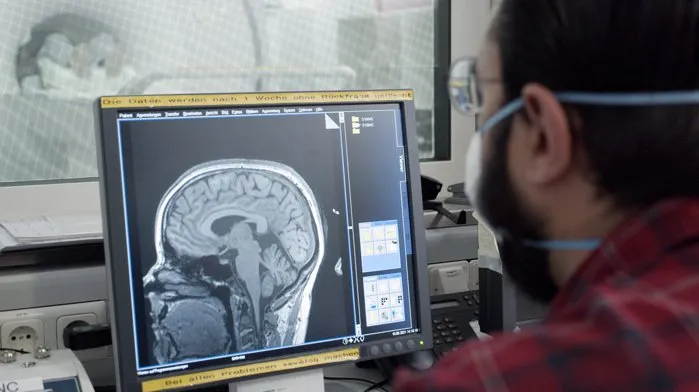
 Foto ilustrativă
Radiation used for therapeutic purposes is not only applied from outside the body. There are conditions for which a radioactive substance is introduced directly into the organism, so that it reaches primarily the cells requiring treatment.
This method, known as isotope therapy or radionuclide therapy, relies on radiopharmaceutical substances capable of identifying and binding to specific tissues or structures on the surface of affected cells. Once it reaches its target, the isotope emits radiation over a limited range, designed to destroy the diseased cells whilst minimising exposure to the surrounding healthy tissue.
Examples of its use include radioactive iodine treatment for certain thyroid conditions, as well as lutetium therapy, used in the case of certain neuroendocrine tumours or some forms of prostate cancer.
The recommendation for this type of treatment depends on the nature of the disease and on confirmation that the target sought by the radioactive substance is present in the patient. Prior to administration, doctors assess kidney function, bone marrow status, and other relevant parameters. Following treatment, the patient receives temporary guidance regarding radiation protection.
The entire process is planned and overseen by a team specialising in nuclear medicine, and the treatment may involve several sessions, depending on the body's response and each patient's tolerance.
Article supported by SANADOR.
Content paraphrased and adapted by SeniorHelp from verified public sources.
Original source: Realitatea →Previous article
Pillar 2 pensions have exceeded 100 billion RON in net gains for participants
Next article
Knee Pain at 36: MRI Reveals a Torn Meniscus
Similar news
Peripheral Arteriography: the investigation that reveals blockages in the arteries of the legs and arms
25 September 2026

Socola Study: 6 in 10 Romanians Quickly Forget Essential Details. When Should We Be Concerned
25 September 2026
Palpitations, high blood pressure, chest pain: when you need a cardiologist
24 September 2026
Radiotherapy in the treatment of lung cancer: when and how it is used
24 September 2026
Aerophagia: when bloating and belching come from swallowed air, not from food
23 September 2026
Nearly 300,000 Romanians have dementia, and the number could reach 400,000 by 2050
22 September 2026