
Underdiagnosis of Blood Disorders in Seniors Dramatically Reduces Survival Chances
Uneven access to haematology diagnostics is severely affecting older adults, with many remaining undiagnosed and untreated in time.
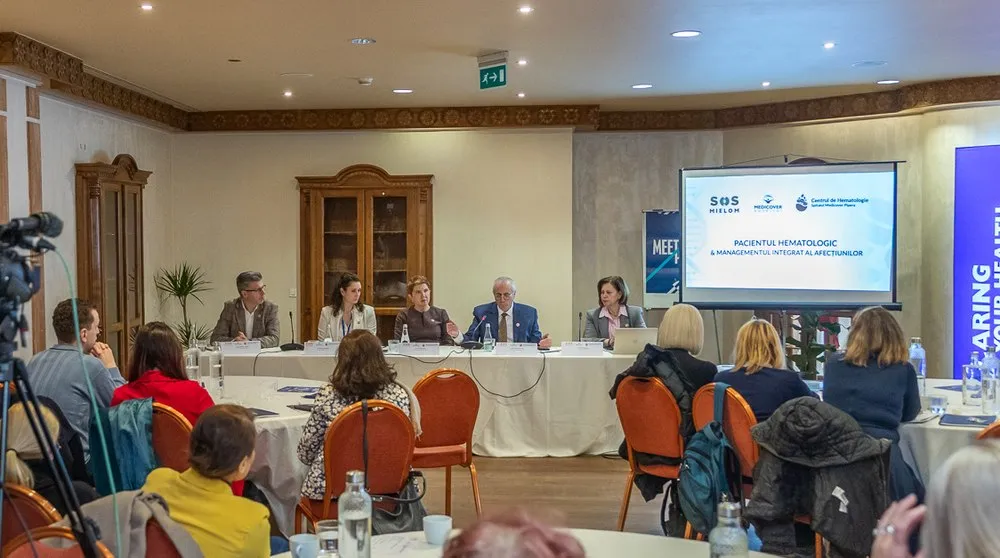
Romania is facing a serious problem within its healthcare system that particularly affects older people: the underdiagnosis of haematological diseases. The significant gap between the estimated number of cases and those actually identified reveals a worrying situation that endangers the lives of elderly people who are vulnerable to these complex conditions.
Blood disorders are commonly found in people over the age of 65, including leukaemias, lymphomas and other haematological conditions that can be fatal if not diagnosed and treated in time. Unfortunately, unequal access to specialist medical services means that many older people in rural areas or disadvantaged regions go without a correct diagnosis, dramatically reducing their chances of survival.
The phenomenon of underdiagnosis is driven by several factors that particularly affect the elderly population. Many of the initial symptoms of haematological diseases — fatigue, weakness, joint pain — are often attributed to the natural ageing process, both by patients themselves and by general practitioners who lack the experience needed to recognise the warning signs.
Geographic disparities in access to diagnosis
Inequality in access to specialist medical services is a major problem for older people across Romania. Haematology centres are concentrated in large cities, leaving elderly people in rural areas without the possibility of a swift and accurate diagnosis. Many older people cannot afford to travel for specialist investigations or to bear the costs of appropriate treatment, contributing to delays in diagnosis and the unchecked progression of the disease.
The medical referral system functions poorly, and waiting times for specialist consultations are prohibitively long for elderly patients who urgently need care. This situation is all the more serious given that many haematological diseases follow a rapid and aggressive course in older people, meaning that every day's delay can prove decisive for their prognosis.
The impact on older people's quality of life
The absence of an early diagnosis affects not only survival chances, but also the quality of life of older people and their families. Untreated symptoms progress, leading to a deterioration in general health, repeated emergency admissions and prolonged suffering. Families are left to bear the emotional and financial burden of an unidentified illness that appears to have no answers.
Even when a diagnosis is eventually reached, the delay means that therapeutic options are limited and the chances of responding to treatment are considerably reduced. For older people diagnosed at an advanced stage, treatment frequently becomes palliative — meaning that precious opportunities for a cure, or for a meaningful extension of life, have already been lost.
Addressing this critical situation requires far-reaching reform of the healthcare system to ensure that all older people have equal access to quality haematological diagnostic services, regardless of their geographical location or socio-economic circumstances. Only through such measures can elderly people be given the chance of a longer and better life.
Content paraphrased and adapted by SeniorHelp from verified public sources.
Original source: Adevărul →Previous article
New Funding Rules for ICU Wards: Major Impact on Critical Care for Seniors
Next article
Abdominal Fat – A Major Health Risk for Seniors. The Limits That Save Lives
Similar news

He Survived Colon Cancer Three Times. He Hid the First Sign for Years
13 October 2026

DXA Osteodensitometry: how bone density and fracture risk are assessed
13 October 2026

Chronic inflammation can damage the heart before symptoms appear, shows a study of 488,000 people
13 October 2026
Hepatitis A in Constanța: 23 outbreaks, 130 cases, under DSP monitoring
12 October 2026
 Foto ilustrativă
GPs warn: flu vaccination should not be delayed
11 October 2026

GPs recommend flu vaccination before the epidemic spreads
11 October 2026