
Extreme Cold in Romania: Emergency Energy Command Convenes Urgently to Protect the Population
Temperatures of down to -24°C are prompting authorities to take urgent measures to secure thermal energy supplies and protect vulnerable members of the population.
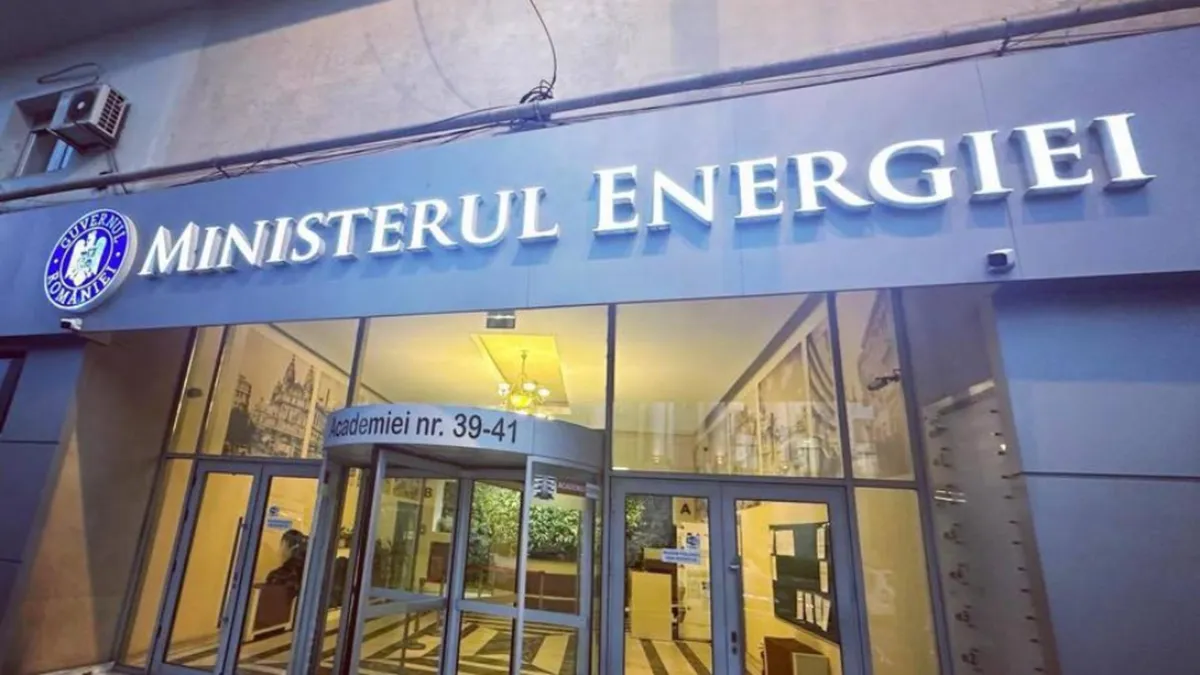
The extreme cold snap gripping Romania has prompted the Ministry of Energy to convene an emergency meeting of the National Energy Command (Comandamentul Energetic Național) in order to put protective measures in place for the population. The falling temperatures, which have reached critical levels across the country, pose a serious threat — particularly to vulnerable groups.
According to meteorological data, temperatures felt across much of Romania have ranged between -8 and -16 degrees Celsius, with conditions made worse by wind that amplifies the sensation of cold. In mountainous areas, thermometers have dropped below -24 degrees, creating extreme weather conditions.
This critical weather situation is affecting senior citizens and elderly people in particular, who are more vulnerable to low temperatures and may develop serious health complications as a result of the intense cold. The risks include hypothermia, cold-aggravated cardiovascular problems, and difficulty maintaining a normal body temperature.
The National Energy Command convened to assess the energy system's capacity to meet the increased demand for thermal energy and to establish emergency measures. The priority is ensuring continuity of heating supply, which is essential under these extreme conditions.
Meteorologists warn that the weather will remain bitterly cold until Tuesday, with persistent frost especially during nights and mornings. The conditions will be accompanied by snowfall and strengthening winds, which will keep conditions difficult for the entire population.
Authorities are advising the public — and elderly people in particular — to avoid prolonged exposure to the cold, to maintain adequate temperatures in their homes, and to seek assistance if needed. It is essential that senior citizens have access to proper heating and are monitored by family members or social services during this critical period.
Content paraphrased and adapted by SeniorHelp from verified public sources.
Original source: Realitatea →Previous article
Expert Anton Hadăr explains why pension increases after recalculation are minimal
Next article
Selenium - the mineral that slows ageing and protects the health of seniors
Similar news

Elderly people tricked with "free medical assessments" into taking out loans for expensive devices
6 October 2026
Patient aged 69, oxygen-dependent, died after a fall at the Cluj Pneumophthisiology Hospital
28 September 2026
Romania, 3rd in the EU for Poverty Risk: 27.4% of the Population Affected
21 September 2026
Little money, long distances: there are Romanians who haven't seen a doctor in over a decade
21 September 2026
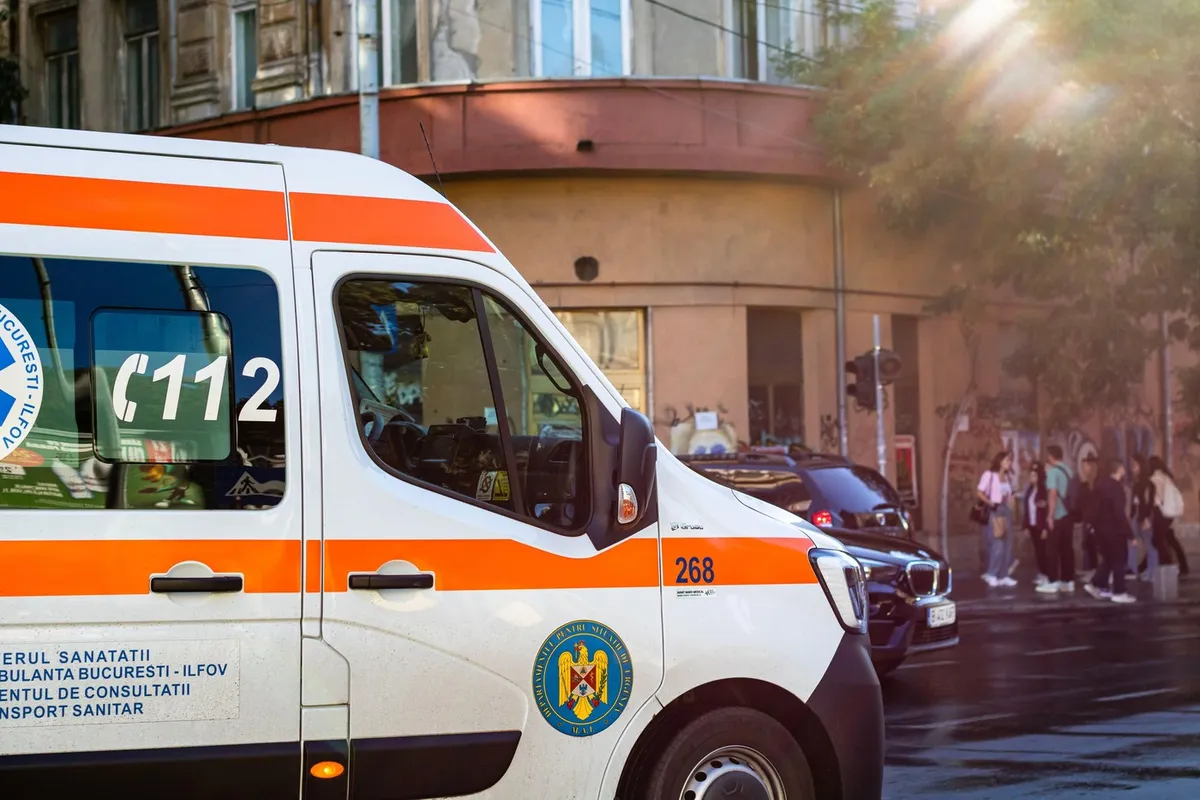
Ambulance Services in 17 Counties Without Funding for September. Union Calls for Budget Rectification
16 September 2026
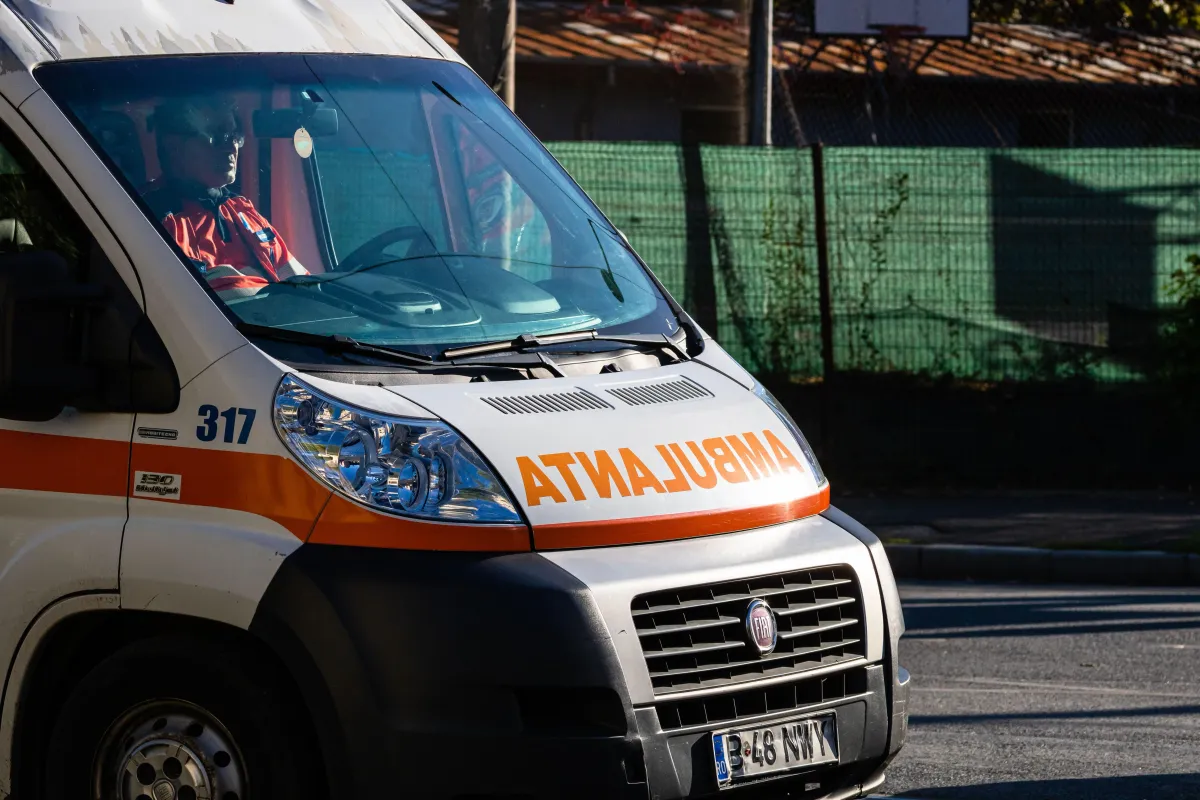
Ambulances in 17 counties left without funds for material expenses in September
16 September 2026