
Healthcare Strike, Day Two: Nearly 500 Hospitals Providing Emergency Services Only
Romania is in its second day of a general strike in the healthcare sector. Nearly 500 hospitals are operating on emergency services only, with scheduled operations being postponed.
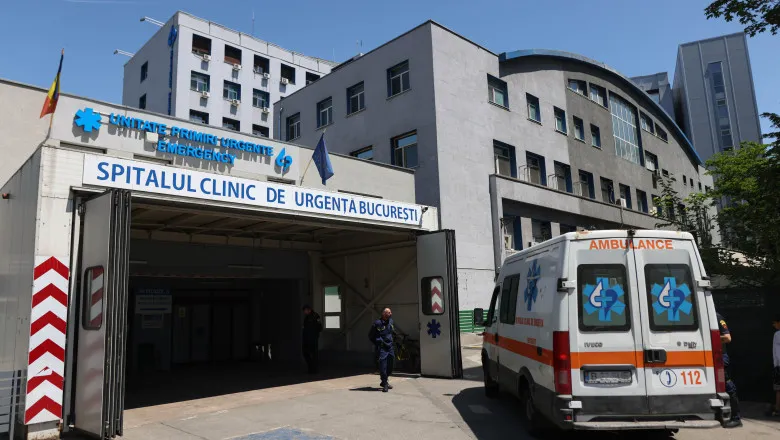
 Foto ilustrativă
Romania is entering its second day of an unprecedented general strike in the healthcare system, with the effects being felt across almost every county. Nearly 500 hospitals have drastically reduced their activity, providing only emergency care. Scheduled operations and routine consultations have been postponed where patients' conditions allow.
According to trade unions, only a third of medical and auxiliary staff are present to keep healthcare facilities running, meaning many wards are operating at the limit of their capacity. Union leaders are warning that the strike could continue for several weeks if employees' demands are not addressed.
Patients bear the brunt
For many patients, the strike means delays in treatment and the risk of their condition deteriorating. Those scheduled for surgical procedures or medical investigations must wait for new dates, and doctors say some cases require close monitoring to prevent complications.
In larger hospitals, waiting lists have already grown longer, and pressure on emergency services is mounting.
Ministry of Health in constant monitoring mode
The Ministry of Health has stated that it is continuously monitoring the situation across all hospitals and is insisting on the maintenance of essential services for patients. Officials maintain that healthcare facilities must ensure the continuity of emergency medical care and provide regular updates on how the strike is developing.
Trade unions refuse negotiations with the outgoing Government
Tensions remain high on the political front as well. Trade unions have announced that they will only discuss the new pay legislation with a fully empowered Government, arguing that the current administration lacks the legitimacy required to conclude an agreement on healthcare workers' pay. Union leaders maintain that their grievances go beyond salaries, encompassing staff shortages, working conditions, and the chronic underfunding of the healthcare system.
Bolojan Government unlocks over 7,000 posts
Under pressure from doctors and hospital managers, the Bolojan Government has approved the release of over 7,000 positions across healthcare facilities. The Government is presenting the measure as a necessary step towards reducing the staffing deficit; however, trade unions argue that it does not address the underlying problems and is insufficient to bring the strike to an end.
In the absence of an agreement between the authorities and trade unions, Romania risks a prolonged period of deadlock in its healthcare system, with direct consequences for patients and for the functioning of hospitals.
Content paraphrased and adapted by SeniorHelp from verified public sources.
Original source: Realitatea →Previous article
Health Sector Strike: Rafila Says Salary Increases Are "Just on Paper"
Next article
Unified Pay Law: parties may resume talks at Cotroceni
Similar news
 Foto ilustrativă
CNAS Apologises After the eSănătateaMea Platform Displayed the Term "Handicapped"
10 September 2026
 Foto ilustrativă
Elderly people in Romania's deserted villages, between hunger and hardship: "I can go to bed without eating"
9 September 2026
Six days of delays at Floreasca: patient with fractures operated on privately for 8,000 euros
8 September 2026

The Government has approved 2.1 million RON for 479 families in emergency situations
3 September 2026
 Foto ilustrativă
The Government grants emergency aid of over 2.18 million RON to families in need
3 September 2026

"My e-Health" hits snags at launch: CNAS says the platform is working
1 September 2026