
Large energy bills severely affect Romanian pensioners on low incomes
Romania has the most expensive energy bills in Europe relative to purchasing power, hitting pensioners' budgets hard.
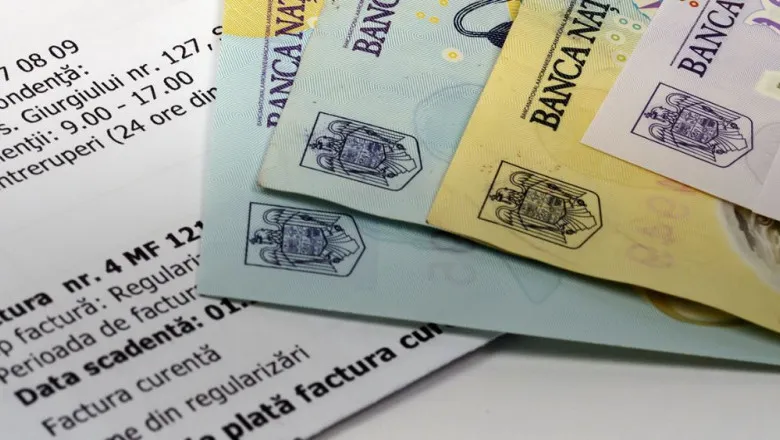
Pensioners in Romania are facing a dramatic situation when it comes to energy costs, with the country having some of the highest bills in Europe relative to the population's purchasing power. This reality affects older people in particular, as they rely on fixed and limited pension incomes.
The paradox of the situation is that Romania possesses abundant energy resources of its own — cheap hydropower, stable nuclear energy, domestic natural gas, and continuously expanding renewable capacity. Despite this, energy bills remain prohibitively high for the majority of pensioners.
Specialists explain that the problem no longer lies solely in the cost of producing energy, but in the entire mechanism of the national energy system. This generates substantial additional costs that are reflected directly in the bills paid by end consumers, including senior citizens.
For pensioners, whose incomes are typically up to 60% lower than the average economy-wide wage, these high energy bills represent an enormous financial burden. Many are forced to choose between heating their homes and meeting other basic needs, such as medication or food.
The situation is all the more serious given that older people spend more time at home and have greater heating requirements, being more sensitive to low temperatures. Many also use medical devices that draw electricity on a continuous basis.
Analysis shows that up to 45% of the final cost of energy comes from various components of the system, rather than from actual production. These systemic costs include transmission and distribution tariffs, green certificates, and other charges that accumulate and end up accounting for nearly half of the final bill.
To protect vulnerable pensioners, experts recommend implementing targeted assistance schemes and reforming the energy tariff system. Finding solutions that put Romania's own energy resources to work for the direct benefit of low-income citizens is considered essential.
Content paraphrased and adapted by SeniorHelp from verified public sources.
Original source: Digi24 →Previous article
Government Accelerates Hospital Investments Through PNRR to Complete Projects by August
Next article
Benefit of 1,000 RON for unemployed people who return to work in 2026
Similar news

Elderly people tricked with "free medical assessments" into taking out loans for expensive devices
6 October 2026
Patient aged 69, oxygen-dependent, died after a fall at the Cluj Pneumophthisiology Hospital
28 September 2026
Romania, 3rd in the EU for Poverty Risk: 27.4% of the Population Affected
21 September 2026
Little money, long distances: there are Romanians who haven't seen a doctor in over a decade
21 September 2026
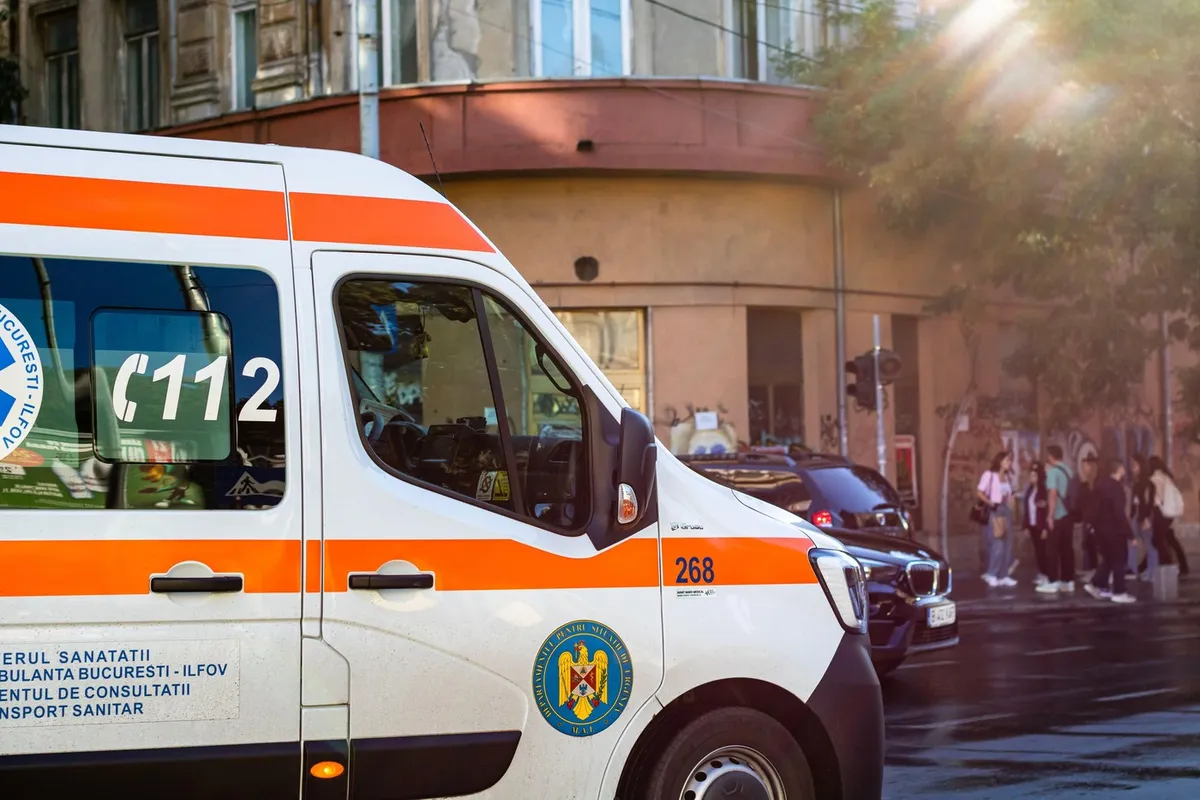
Ambulance Services in 17 Counties Without Funding for September. Union Calls for Budget Rectification
16 September 2026
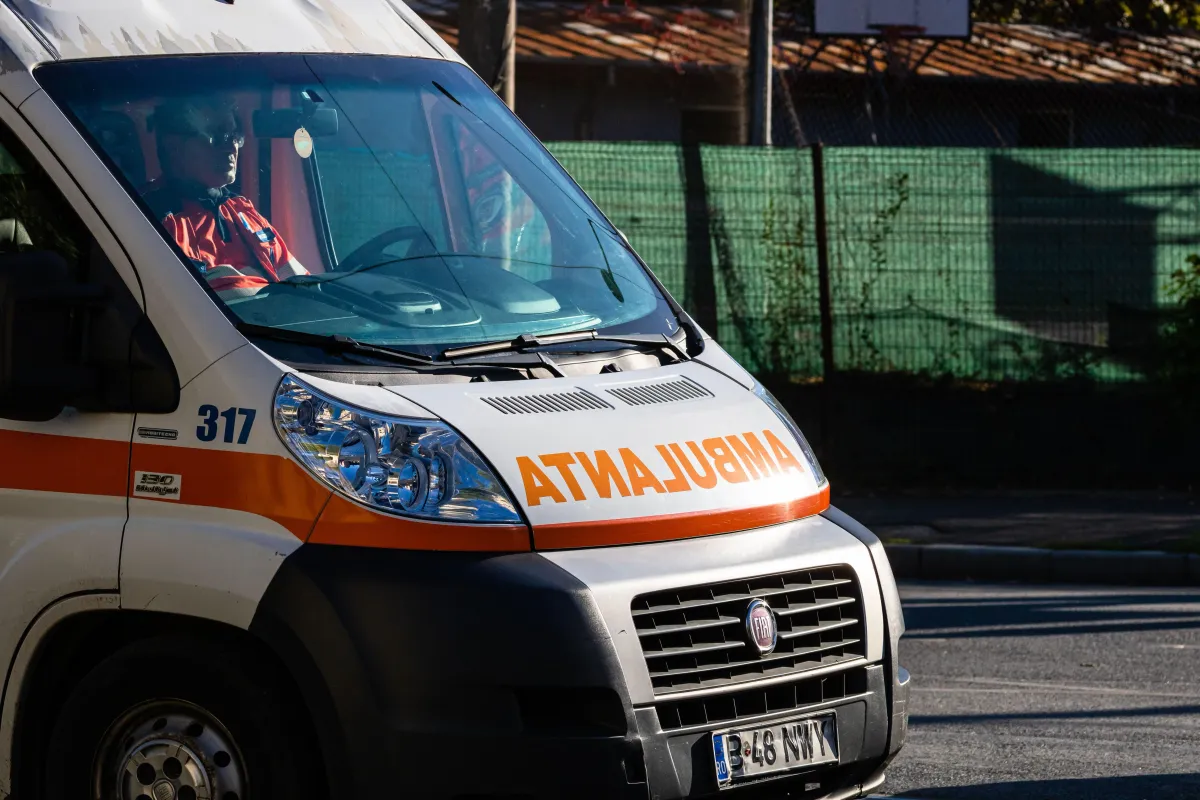
Ambulances in 17 counties left without funds for material expenses in September
16 September 2026