
How to Protect Ourselves from Heatstroke on Scorching Days: Doctors' Recommendations for the Elderly
Heatwaves pose a major risk to older adults. Doctors recommend simple preventive measures to avoid serious complications.
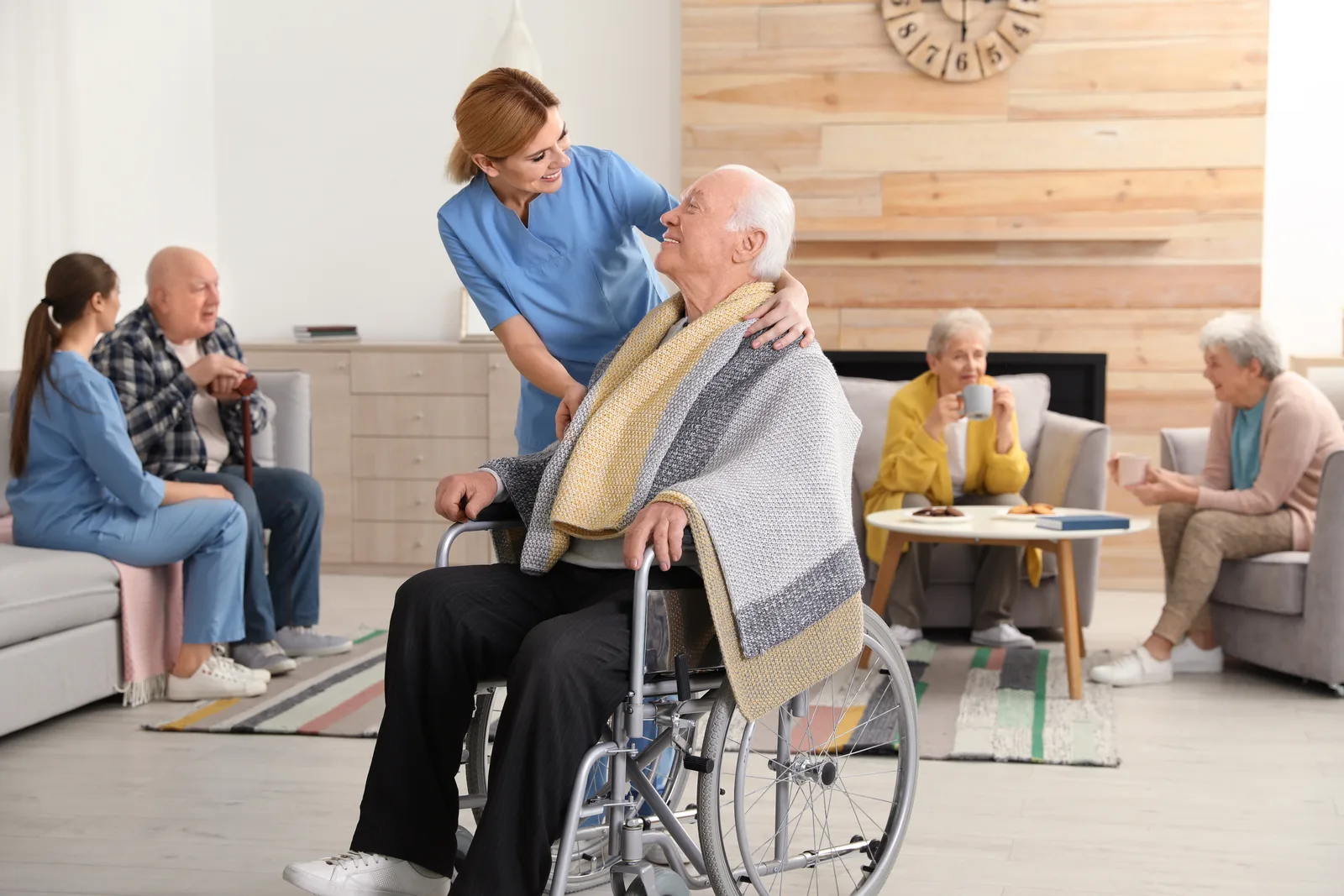 Foto ilustrativă
Why older adults are more vulnerable to extreme heat
Heatwaves are becoming increasingly frequent and intense, and older adults are among the most at-risk groups in the population. As we age, the body gradually loses its ability to regulate internal temperature effectively, which means that exposure to heat can quickly become dangerous. Heatstroke is one of the most serious consequences of excessive heat and can rapidly progress to life-threatening complications.
What heatstroke is and how it presents
Heatstroke occurs when the body's temperature rises beyond normal limits due to prolonged exposure to sunlight or intense heat. Symptoms can vary depending on severity: from headaches, dizziness, nausea and weakness, through to confusion, loss of consciousness and convulsions. In older adults, warning signs can be harder to recognise, as the sensation of thirst diminishes with age, increasing the risk of dehydration without the person being aware of it.
Preventive measures recommended by doctors
Doctors emphasise that prevention is essential, particularly for older people. The key recommendations include:
- Avoiding going outdoors between 11:00 and 17:00, when temperatures are at their highest
- Staying properly hydrated – a minimum of 1.5 to 2 litres of water per day, even without feeling thirsty
- Wearing lightweight, light-coloured clothing and a wide-brimmed hat
- Remaining in cool or well-ventilated rooms during the day
- Applying cold compresses to the forehead, back of the neck and wrists in the event of overheating
- Avoiding alcoholic drinks and coffee, which worsen dehydration
What to do in the event of a heatstroke episode
If an older person shows signs of heatstroke, it is important to move them immediately to a cool place, lay them down horizontally with their legs slightly raised, and offer them small amounts of cold water. Applying cold compresses to the body can help bring the temperature down. If their condition does not improve quickly or they lose consciousness, emergency medical services must be called without delay.
Guidance for family members and carers
Those who care for older adults at home or in residential care settings must be especially vigilant during periods of extreme heat. It is important to check on older people regularly, remind them to drink fluids, and ensure that their homes or rooms are sufficiently cool. Older adults with chronic conditions – such as cardiovascular disease, diabetes or hypertension – are even more vulnerable and require additional monitoring on very hot days.
Content paraphrased and adapted by SeniorHelp from verified public sources.
Original source: Digi24 →Previous article
Rosemary: the aromatic plant that supports memory, aids digestion and reduces stress
Next article
The healthcare system on the brink of a general strike: over 60% of employees could leave
Similar news
Microplastics in tap water can be reduced through boiling and filtering, a study shows
16 October 2026
Over 350,000 doses of flu vaccine to arrive in pharmacies next week
16 October 2026
First influenza-related death of this season confirmed by INSP: unvaccinated man from Cluj
16 October 2026
Partial Nephrectomy: The Operation That Treats Kidney Tumours and Preserves the Kidney
16 October 2026

Time spent in nature could improve one's relationship with food, a British study suggests
16 October 2026
What a liver operation involves: preparation and recovery
15 October 2026