
The healthcare system on the brink of a general strike: over 60% of employees could leave
Healthcare unions are threatening a general strike after 21 June, accusing the Ministry of Labour of failing to negotiate the new pay legislation, despite over 60% of employees considering leaving the sector.
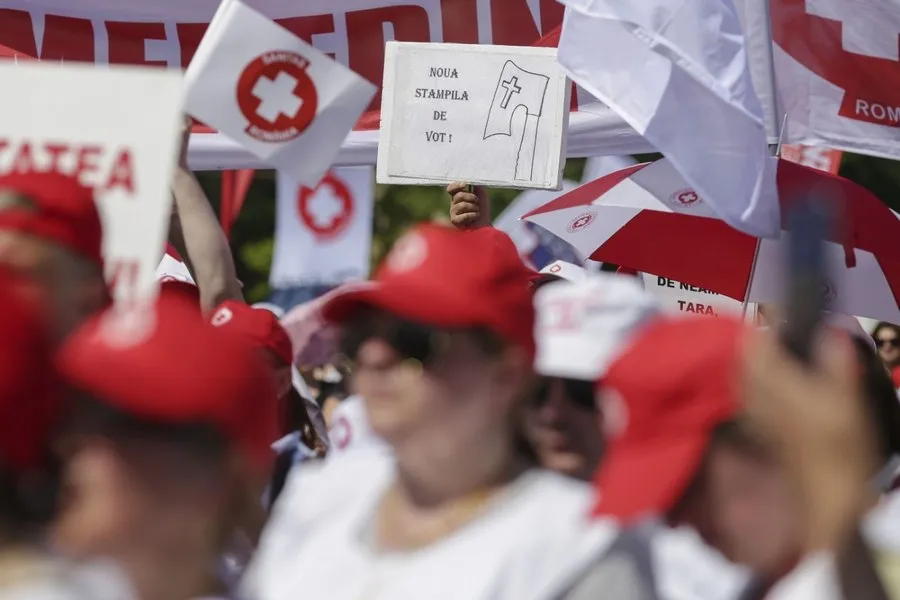
Romania's healthcare system is heading towards a major conflict. According to a survey conducted by the "Solidaritatea Sanitară" Federation, over 60% of healthcare workers are considering leaving the system if the pay legislation is not amended.
Răzvan Gae, vice-president of the Sanitas federation, told "Adevărul" that, despite the existence of this survey, the Ministry of Labour, led by Dragoș Pîslaru, has not contacted union representatives to negotiate the new pay bill.
According to him, the Sanitas Federation has applied to the courts for a presidential injunction to delay the adoption of the law until a fully empowered government is in place. The application was adjourned by the court because the Government had not provided all the necessary documentation. The Federation maintains its warning that it will call a general strike next week if negotiations do not commence, with the labour dispute having already been formally declared.
The Sanitas vice-president explained that the current pay hierarchy has not been correctly structured — neither between the various categories of public sector workers, nor within the healthcare system itself. In his view, the role of the nursing professional, which is particularly vital in operating theatres, is not adequately recognised in the proposed pay scale.
Approximately 15,000 people took part in the protests that have taken place, at least half of whom are nurses. They were joined by nursing auxiliaries, porters, administrative and technical staff, members of the Multidisciplinary Society of Resident Doctors, pharmacists (through the Promedica trade union), as well as physiotherapists, psychologists, and biologists. Sanitas has gathered the proposals of these groups and put forward its own redistribution pay scale.
Gae also highlighted the occupational risks involved: constant exposure to sharps injuries (needles, broken ampoules, scalpel blades), psychosocial stress, exhaustion caused by heavy workloads, staff shortages, and the inability to fill vacant posts. He noted that shift work disrupts the body's biological rhythms and that, according to studies cited by the OSFH and European trade unions, it may increase the risk of cancer by 15–20% due to cumulative wear on the body, adding that no such research is being conducted in Romania.
The unions' main demands
The draft pay legislation was put out for public consultation in May 2026 by Minister Dragoș Pîslaru and was categorically rejected by healthcare unions. Over ten thousand workers took to the streets in protest, and the SANITAS Federation announced that it would call a general strike after 21 June 2026 if its demands are not taken into account, with a work-to-rule action in hospitals also being prepared as an additional form of pressure.
- The reference value used to calculate salaries should be 4,325 RON, not 4,100 RON as initially proposed by the Ministry.
- Fair pay coefficients that genuinely reflect the hierarchies and responsibilities within the system, without favouring managerial positions at the expense of staff with seniority or direct clinical responsibilities.
- Retention of the shift allowance at 15% and the weekend working allowance at 100%, without the blanket cap of 20% of the salary fund that was initially proposed.
- Inclusion of administrative and technical staff (TESA) in the same annex of the legislation as medical personnel, in order to eliminate pay discrimination.
- Removal of unjustified pay disparities between professions with similar qualifications, such as biologists and chemists — a demand supported by the Sindicatul Național Forța Legii.
According to union calculations, over 60% of healthcare workers would end up earning less than they currently do, despite official assurances that no one would lose out financially — because the removal of the cap would in fact conceal sweeping cuts to the allowances that make up a significant portion of the actual take-home pay of doctors and nurses.
The SANITAS Federation has called for the bill to be withdrawn, deeming it unacceptable, inequitable, and inappropriate, whilst the Federative Chamber of Medical Unions has urged President Klaus Iohannis not to promulgate the legislation and to refer it to the Constitutional Court for a constitutional review.
Content paraphrased and adapted by SeniorHelp from verified public sources.
Original source: Adevărul →Previous article
How to Protect Ourselves from Heatstroke on Scorching Days: Doctors' Recommendations for the Elderly
Next article
Telephone medical consultations on the number 1414: a useful solution for senior citizens
Similar news
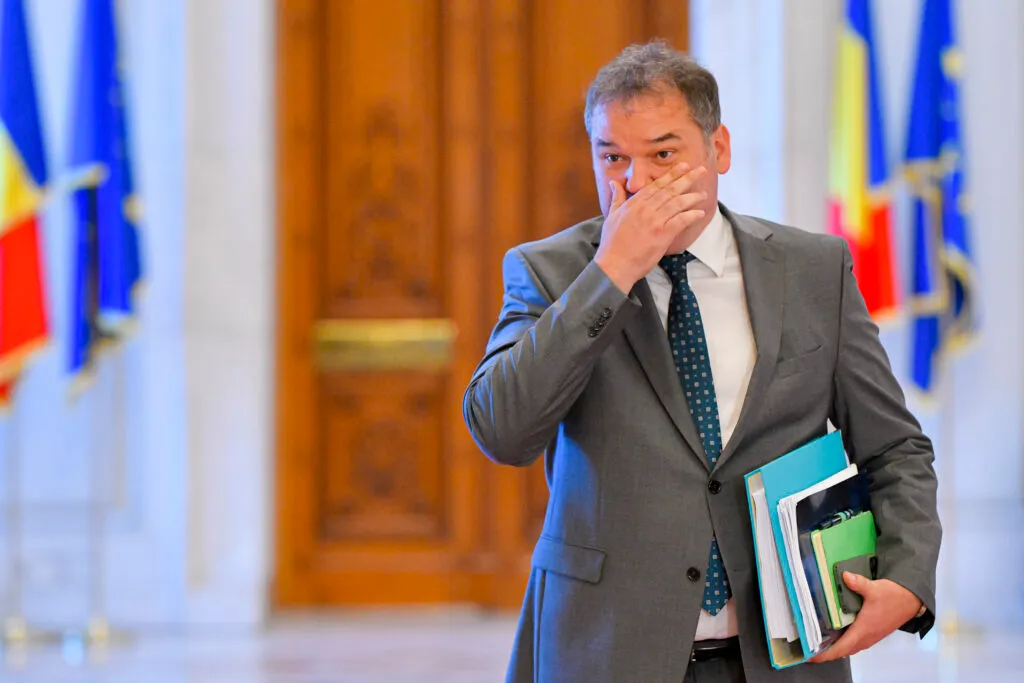
Ministerul Sănătății cere 800 milioane lei: fără bani, urgențele și ambulanța riscă blocaje
13 October 2026

Negrescu warns: Romania risks receiving less European funding following EU budget cuts
11 October 2026
CASS on pensions: the 3,000 RON threshold could be reduced from 2027
9 October 2026

Medicine shortages in pharmacies are not monitored in real time. Patients with serious illnesses at risk
8 October 2026

Audit at the Ministry of Health: medicine shortages may be detected too late
7 October 2026
 Foto ilustrativă
Tax-exempt income in Romania: pensions, inheritances, gifts, compensation
7 October 2026