
Crisis of water in hospitals: Seniors and vulnerable patients at risk
Five hospitals in Prahova and Dâmbovița are facing a loss of drinking water supply, affecting 400 patients, many of them elderly inpatients.

A critical situation has developed in the healthcare systems of Prahova and Dâmbovița counties, where five medical facilities faced a complete interruption of their water supply. This crisis is particularly affecting elderly patients, who represent a vulnerable group and require constant medical care.
Approximately 400 hospitalised patients have been directly impacted by this emergency, many of them elderly people with chronic or acute conditions requiring inpatient treatment. The absence of running water in a medical facility endangers not only patient comfort, but also the safety of basic medical procedures — from hygiene to the preparation of medications.
Authorities were compelled to implement emergency measures in order to ensure continuity of medical care. Patients who had scheduled surgical procedures or required complex treatments were transferred to other medical facilities, in particular to the County Hospital in Ploiești. This relocation process can be extremely stressful and risky for elderly patients, who tend to adapt less easily to changes in their environment.
To keep the affected medical units operational, water was brought in via specialist tankers. All hospitals received both domestic and drinking water through this emergency measure; however, this temporary solution creates significant logistical challenges and cannot serve as a long-term replacement for a normal water supply system.
The situation becomes even more concerning when one considers the limited capacity of local hospitals to cope with a potential mass emergency. With the County Hospital in Ploiești already under strain due to the transferred patients, any major incident in the region could exceed the response capacity of the local healthcare system.
For families with elderly members in this area, the crisis highlights the importance of planning ahead for medical emergencies. It is essential to identify alternatives in advance, maintain regular contact with GPs, and ensure that medical documents are readily accessible in the event of an emergency transfer to another healthcare facility.
Content paraphrased and adapted by SeniorHelp from verified public sources.
Original source: Realitatea →Previous article
Rising medication costs hit seniors on low pensions hard
Next article
How Dental Problems Affect the General Health of Seniors: 7 Major Risks
Similar news
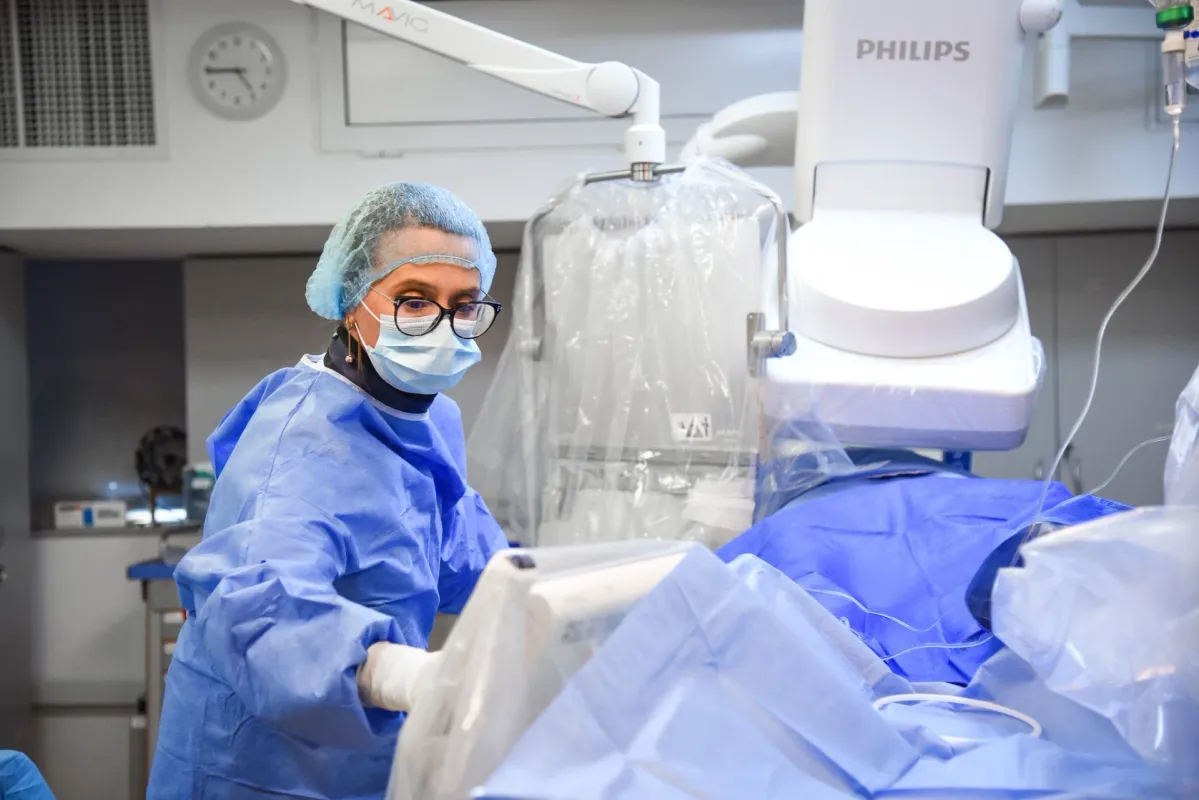
Peripheral Arteriography: the investigation that reveals blockages in the arteries of the legs and arms
25 September 2026

Socola Study: 6 in 10 Romanians Quickly Forget Essential Details. When Should We Be Concerned
25 September 2026
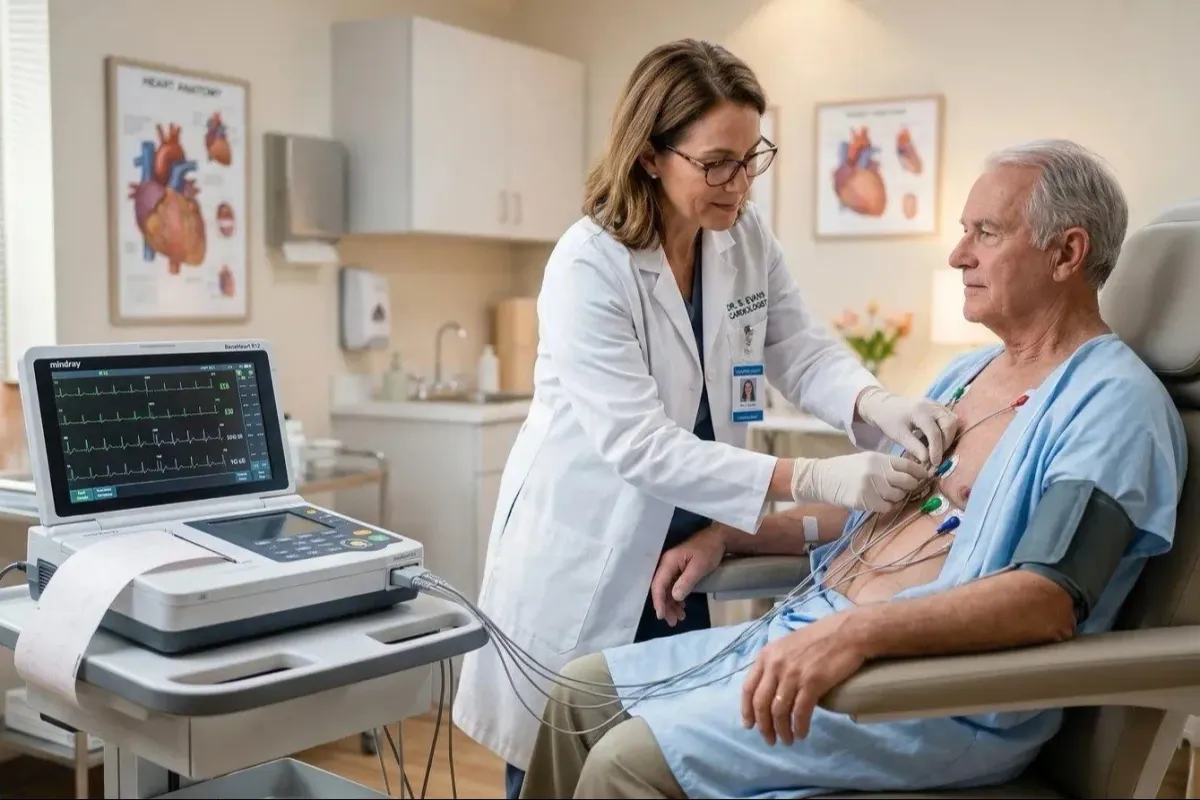
Palpitations, high blood pressure, chest pain: when you need a cardiologist
24 September 2026
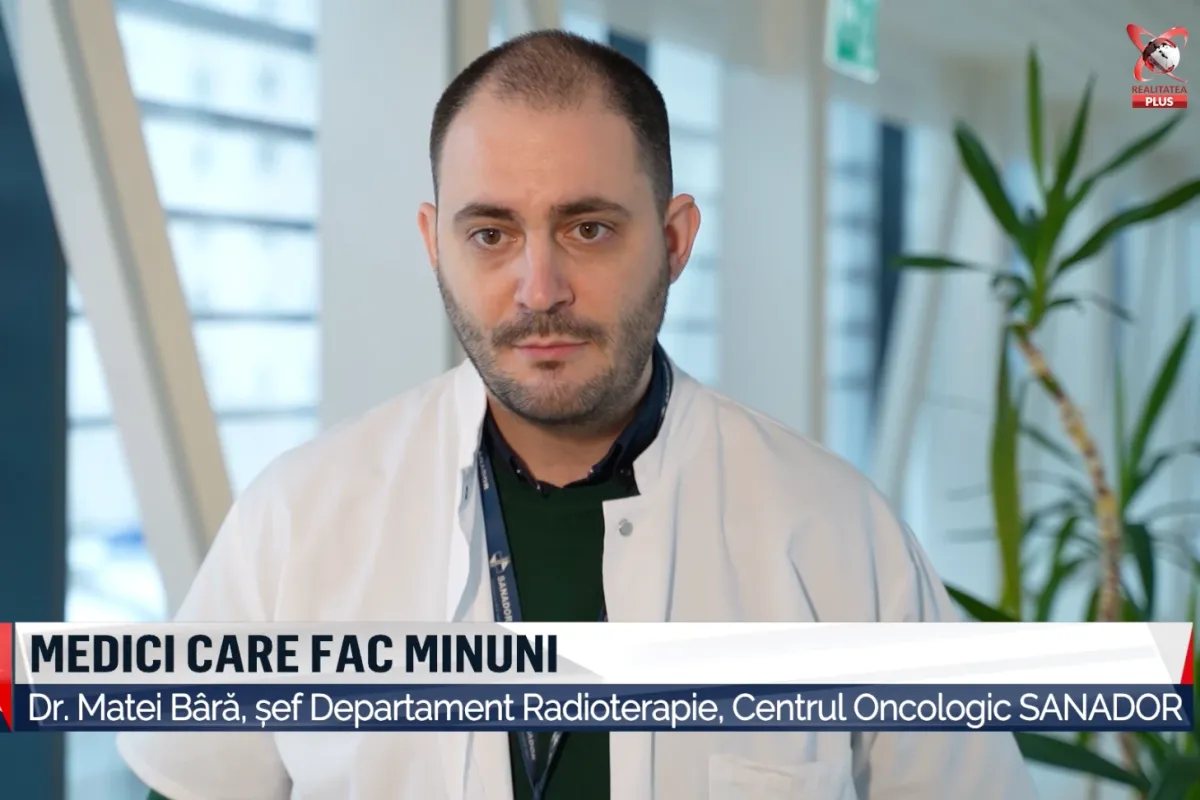
Radiotherapy in the treatment of lung cancer: when and how it is used
24 September 2026

Aerophagia: when bloating and belching come from swallowed air, not from food
23 September 2026
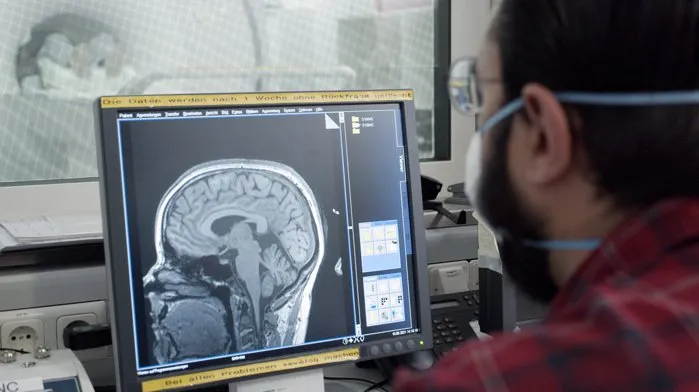
Nearly 300,000 Romanians have dementia, and the number could reach 400,000 by 2050
22 September 2026