
How Dental Problems Affect the General Health of Seniors: 7 Major Risks
Poor oral health can trigger systemic inflammation, cardiovascular problems and hormonal imbalances in older adults.
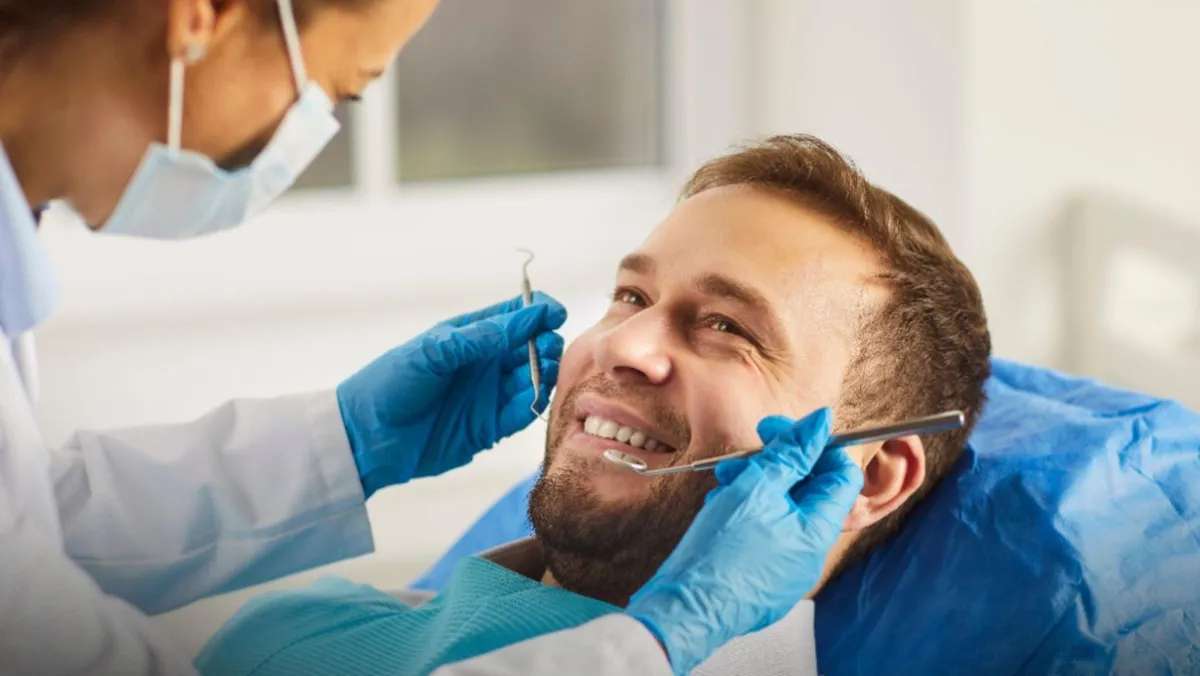
The major impact of oral health on the elderly body
For seniors in Romania, oral health means far more than clean teeth and an attractive smile. The oral cavity is home to over 700 types of bacteria and directly influences the functioning of the entire body. Neglected dental problems can trigger a cascade of reactions affecting the cardiovascular system, digestion, hormonal balance, and even the mental wellbeing of older people.
Many seniors do not realise that the symptoms they experience — migraines, joint pain, chronic fatigue, or digestive problems — may originate in imbalances within the oral cavity. Understanding these connections can be essential for maintaining optimal health in later life.
1. Systemic inflammation — the cascade effect on the body
Inflamed gums in seniors can release inflammatory mediators into the bloodstream, which then circulate throughout the entire body. This chronic inflammation keeps the immune system on permanent alert, like an engine that never switches off. Older people may experience pronounced fatigue, muscle pain, and difficulty recovering, without connecting these symptoms to their dental problems.
Medical research shows that oral inflammation can worsen conditions common in seniors, such as diabetes, autoimmune diseases, and thyroid disorders. Maintaining proper oral hygiene and promptly addressing dental problems can significantly reduce the risk of these systemic complications.
2. Major cardiovascular risks
The link between oral health and heart problems is particularly significant for older people. The bacteria that cause gingivitis can enter the bloodstream and contribute to the formation of atherosclerotic plaques on blood vessel walls. This process reduces vascular elasticity and impairs circulation, leading to hypertension, palpitations, or circulatory disorders.
For seniors who already face cardiovascular conditions, neglecting oral health can amplify the risk of serious complications. Dental prevention thus becomes a direct form of cardiac prevention.
3. Digestive problems and malabsorption
Damaged or sensitive teeth affect the ability of older people to chew food properly, placing additional strain on the digestive system. The stomach must compensate for insufficient chewing, generating hyperacidity, reflux, or bloating — problems that are common among seniors.
Over time, poor digestion leads to the inadequate absorption of essential nutrients, which can worsen the nutritional deficiencies frequently seen in old age. An imbalanced oral microbiome communicates directly with the gut flora, influencing immunity and susceptibility to infections.
4. Chronic pain and muscular tension
Bite problems and incorrect tooth positioning can generate muscular tension in the jaw, neck, and shoulders. Seniors may experience recurring headaches, cervical stiffness, and even postural changes that affect mobility and quality of life.
This chronic muscular tension can disrupt sleep and contribute to frequent migraines — problems that significantly affect the wellbeing of older people.
5. Hormonal imbalances
Chronic oral inflammation can disrupt hormonal balance through the repeated activation of the immune system. Elevated cortisol levels — the stress hormone — can affect the metabolism and emotional state of seniors, contributing to the onset of anxiety or mood disorders.
In women going through the menopause, oral problems can heighten gum sensitivity and worsen the hormonal symptoms specific to this stage of life.
6. Premature facial ageing
Tooth loss or deterioration affects the facial structure of older people. Without adequate dental support, the cheeks sag, the lips thin, and the jawline becomes more pronounced, accentuating the appearance of ageing and undermining self-confidence.
Maintaining dental health helps preserve the structural balance of the face and contributes to a more youthful, harmonious appearance.
7. Psychological and social impact
Dental problems can profoundly affect the self-confidence of seniors and limit their social interactions. Many older people avoid laughing, speaking in public, or taking part in social activities due to insecurities about the appearance of their teeth.
This social isolation can contribute to the development of depression and may accelerate cognitive decline — serious concerns among Romania's older population.
Recommendations for seniors
Regular dental check-ups, rigorous oral hygiene, and preventive treatments are essential investments in the overall health of older people. When the oral cavity is healthy, the entire body functions more harmoniously — energy levels rise, immunity stabilises, and quality of life improves considerably.
Content paraphrased and adapted by SeniorHelp from verified public sources.
Original source: Realitatea →Previous article
Crisis of water in hospitals: Seniors and vulnerable patients at risk
Next article
Natural strategies for maintaining skin health in older adults: nutrition as an anti-ageing elixir
Similar news

Hepatitis A in Constanța: 23 outbreaks, 130 cases, under DSP monitoring
12 October 2026
 Foto ilustrativă
GPs warn: flu vaccination should not be delayed
11 October 2026

GPs recommend flu vaccination before the epidemic spreads
11 October 2026
Depression in the elderly, mistaken for ageing: what signs to look out for
11 October 2026
Dry skin in autumn: causes, affected areas and when to see a dermatologist
11 October 2026

Forgetfulness in Old Age: What's Normal and When to Visit PROMEMORIA for a Check-up
9 October 2026