
Rising medication costs hit seniors on low pensions hard
Pensioners are facing increasing difficulties accessing treatments, while hospitals struggle with insufficient budgets.
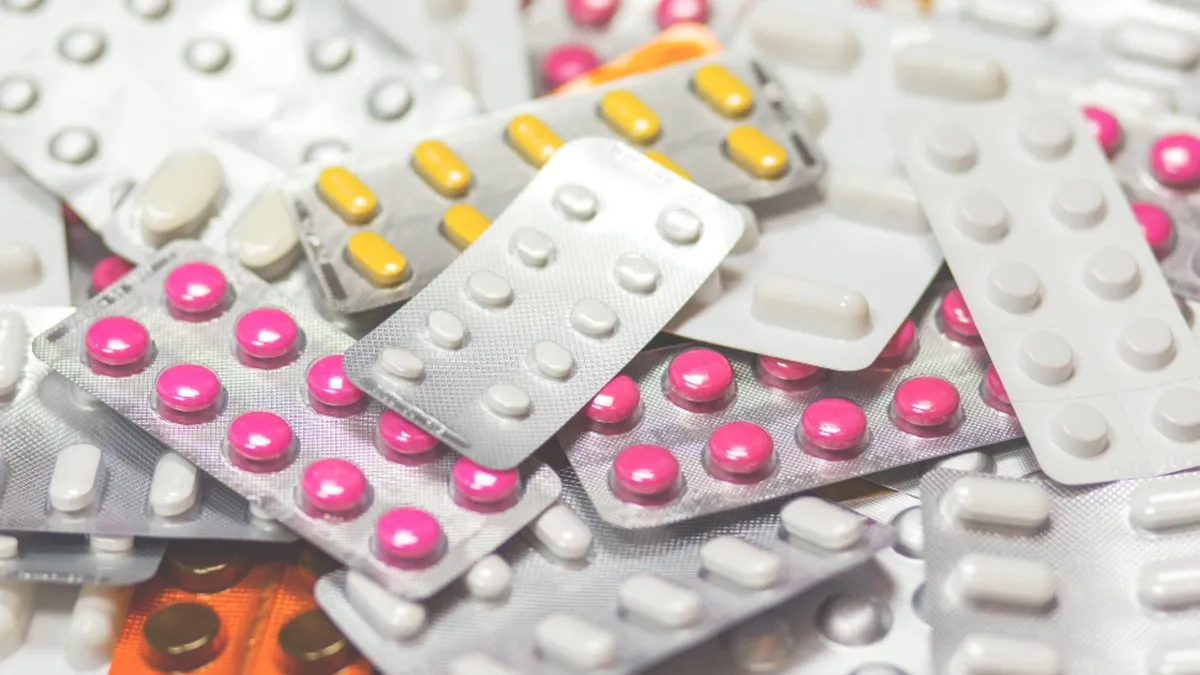
Seniors in Romania are facing an increasingly difficult situation when it comes to accessing medicines, as prices continue to rise at an alarming rate. For elderly people on reduced pensions, purchasing monthly treatments is becoming an ever greater financial burden, with many forced to choose between medication and other basic necessities.
The impact of rising prices is not limited to patients alone — it affects the entire healthcare system. Hospitals report additional expenditure of approximately 2 million RON per month on medicines, medical supplies and equipment alone. This situation places enormous pressure on medical institutions, which must find ways to ensure patient care within the constraints of limited budgets.
A particularly serious problem is the shortage of innovative medicines essential for treating the chronic conditions that frequently affect the elderly population. Oncology drugs, post-transplant treatments and therapies for other complex conditions are becoming increasingly difficult to obtain, leaving older patients in a position of extreme vulnerability.
National programmes as a partial solution
Against this difficult backdrop, national health programmes offer a partial solution for hospitals, providing financial support for critically ill patients in intensive care and neurology wards. However, this measure does not cover all needs, and many seniors remain without access to the treatments they urgently require.
Pharmacy representatives confirm that the situation is becoming ever more critical, with lists of unavailable medicines or prohibitively priced drugs growing longer by the day. This reality directly affects older people, who frequently require complex and costly treatments to manage the chronic conditions that are characteristic of advanced age.
Content paraphrased and adapted by SeniorHelp from verified public sources.
Original source: Realitatea →Previous article
National stroke treatment network expands to 50 hospitals – major benefits for elderly patients
Next article
Crisis of water in hospitals: Seniors and vulnerable patients at risk
Similar news
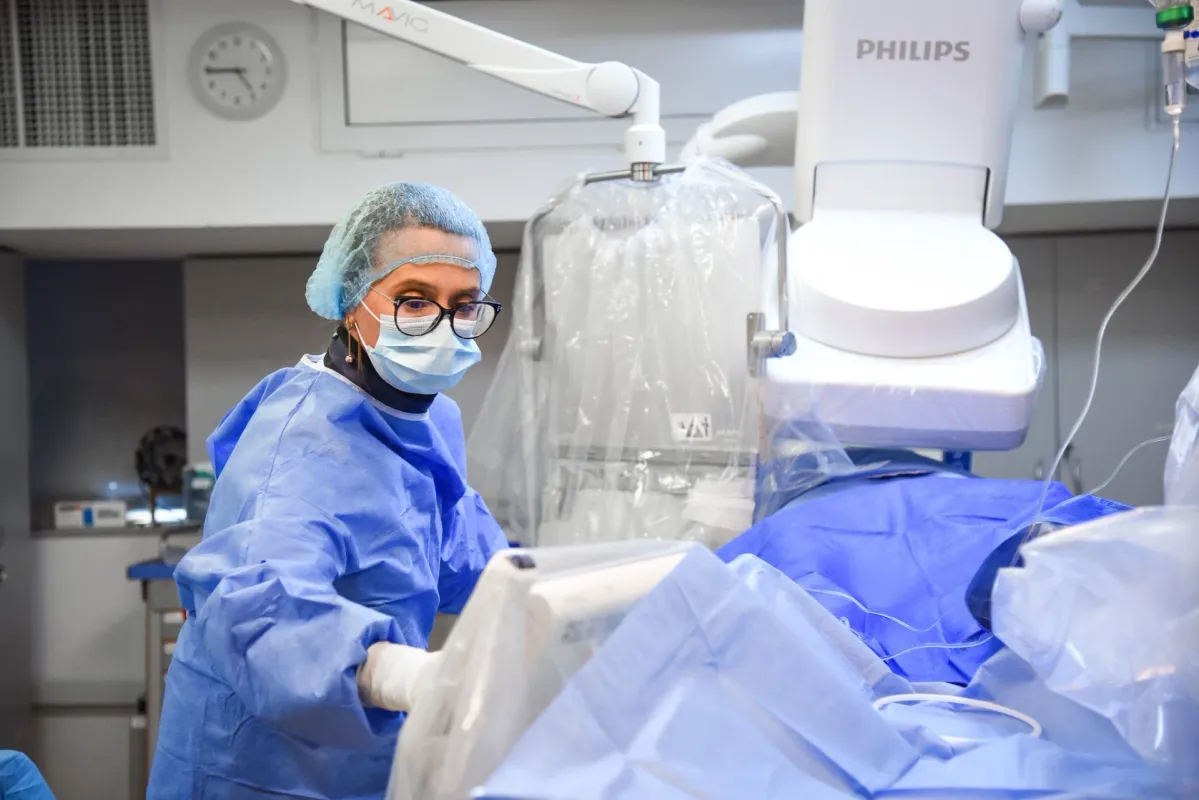
Peripheral Arteriography: the investigation that reveals blockages in the arteries of the legs and arms
25 September 2026

Socola Study: 6 in 10 Romanians Quickly Forget Essential Details. When Should We Be Concerned
25 September 2026
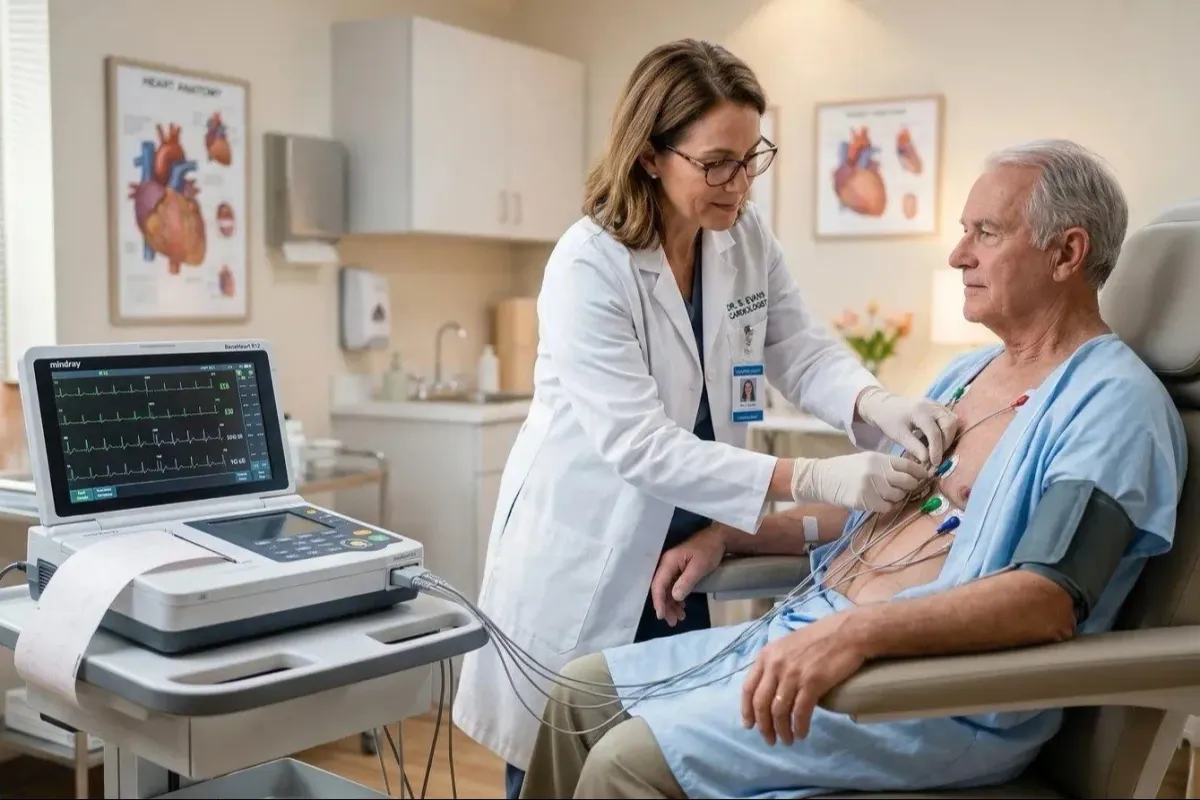
Palpitations, high blood pressure, chest pain: when you need a cardiologist
24 September 2026
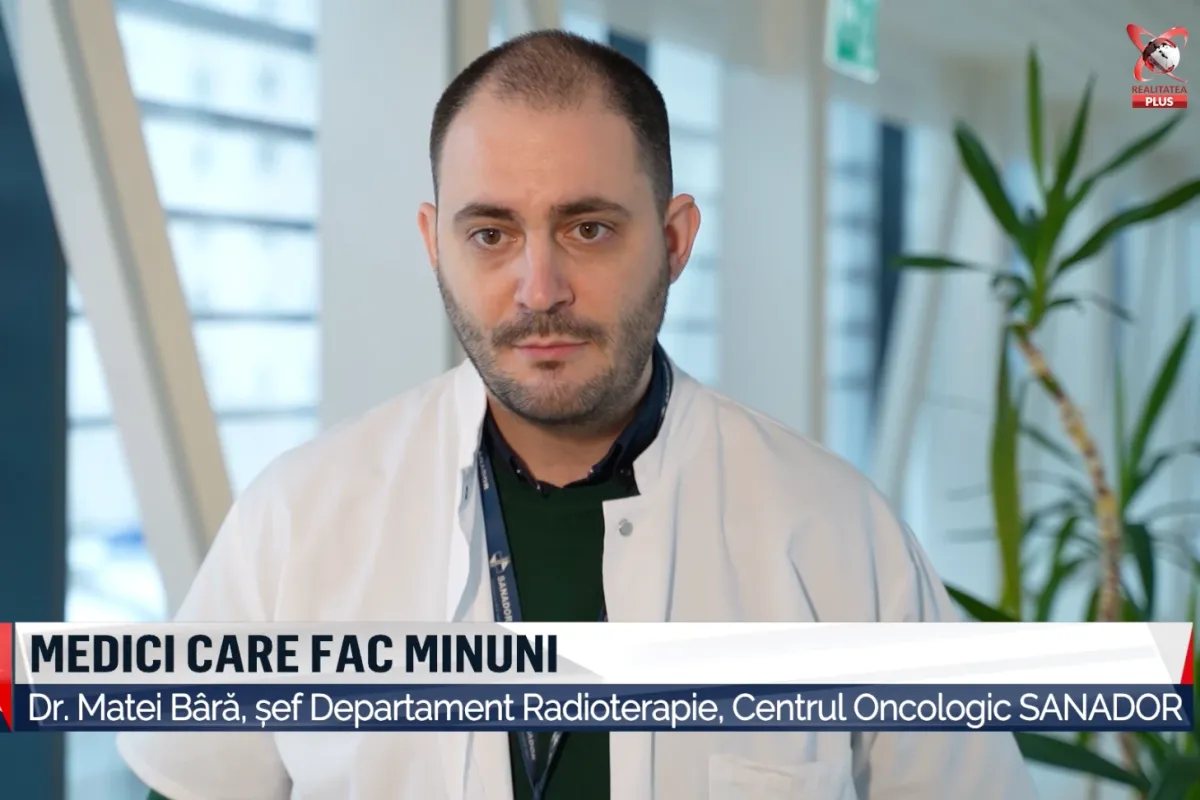
Radiotherapy in the treatment of lung cancer: when and how it is used
24 September 2026
Aerophagia: when bloating and belching come from swallowed air, not from food
23 September 2026
Nearly 300,000 Romanians have dementia, and the number could reach 400,000 by 2050
22 September 2026