
National stroke treatment network expands to 50 hospitals – major benefits for elderly patients
Romania reaches 50 hospitals equipped for rapid stroke treatment, with funding up 47% in 2025 — important news for seniors.

Romania is making significant strides in improving treatment for acute stroke, a condition that disproportionately affects the elderly population. The national network of hospitals equipped for rapid stroke intervention has now reached 50 medical units, marking a substantial expansion in access to specialised care for older patients.
This development is crucial for Romania's senior citizens, who represent the age group at greatest risk of suffering a stroke. Statistics show that stroke risk increases exponentially with age, and swift access to treatment can make the difference between full recovery and permanent disability.
Programme funding has grown dramatically, rising from 29 million RON in 2023 to 66 million RON in 2025 — an increase of 47% compared to last year. This sustained investment demonstrates the priority placed on caring for elderly patients in critical situations, where every minute of delay can have irreversible consequences.
For families with older relatives, this expansion of the network means that specialised treatment is becoming more geographically accessible. Patients no longer need to travel long distances to receive the care they require, and the time saved in transit can be decisive for the success of treatment through intravenous thrombolysis or thrombectomy.
Stroke is one of the leading causes of death and disability among older people, and the healthcare system's ability to respond swiftly to these medical emergencies can save thousands of lives each year. Expanding the network of hospitals prepared for such interventions represents an investment in the quality of life of senior citizens and in reducing the social and economic burden of this condition.
The implementation of this national network aims to deliver consistency and professional standards in the treatment of neurovascular emergencies, regardless of the region of the country. For elderly people living in rural areas or in parts of the country with less developed medical infrastructure, this initiative may represent the difference between access to life-saving treatment and the devastating consequences of a stroke left untreated in time.
Content paraphrased and adapted by SeniorHelp from verified public sources.
Original source: Realitatea →Previous article
Refined Soya Oil – Health Risks for Older Adults and Their Metabolism
Next article
Rising medication costs hit seniors on low pensions hard
Similar news
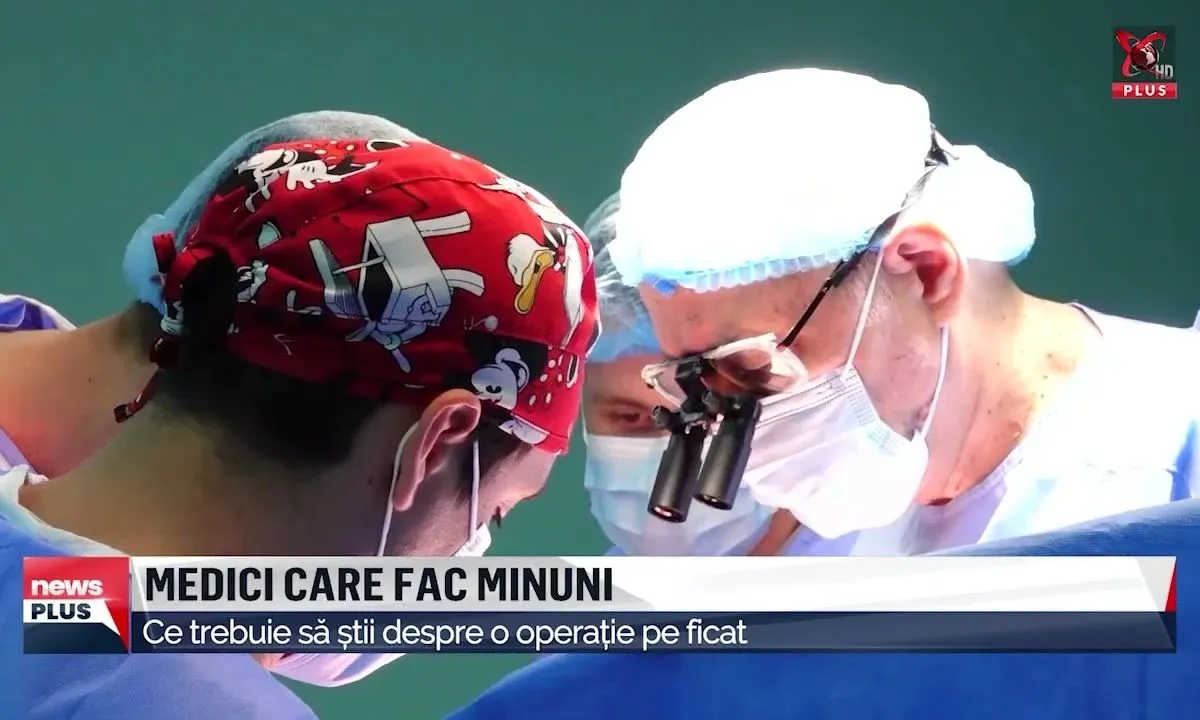
What a liver operation involves: preparation and recovery
15 October 2026

Cardiac MRI: the investigation that provides detailed images of the heart
15 October 2026

Chronic insomnia linked to higher risk of stroke, dementia and hospitalisation, shows study of 1.3 million people
14 October 2026

He Survived Colon Cancer Three Times. He Hid the First Sign for Years
13 October 2026

DXA Osteodensitometry: how bone density and fracture risk are assessed
13 October 2026

Chronic inflammation can damage the heart before symptoms appear, shows a study of 488,000 people
13 October 2026