
Diabetes in Older Adults: A Practical Guide for Families
Find out how to manage diabetes in the elderly members of your family: signs to watch for, tailored nutrition, daily monitoring, and when to seek specialist care.
Contents
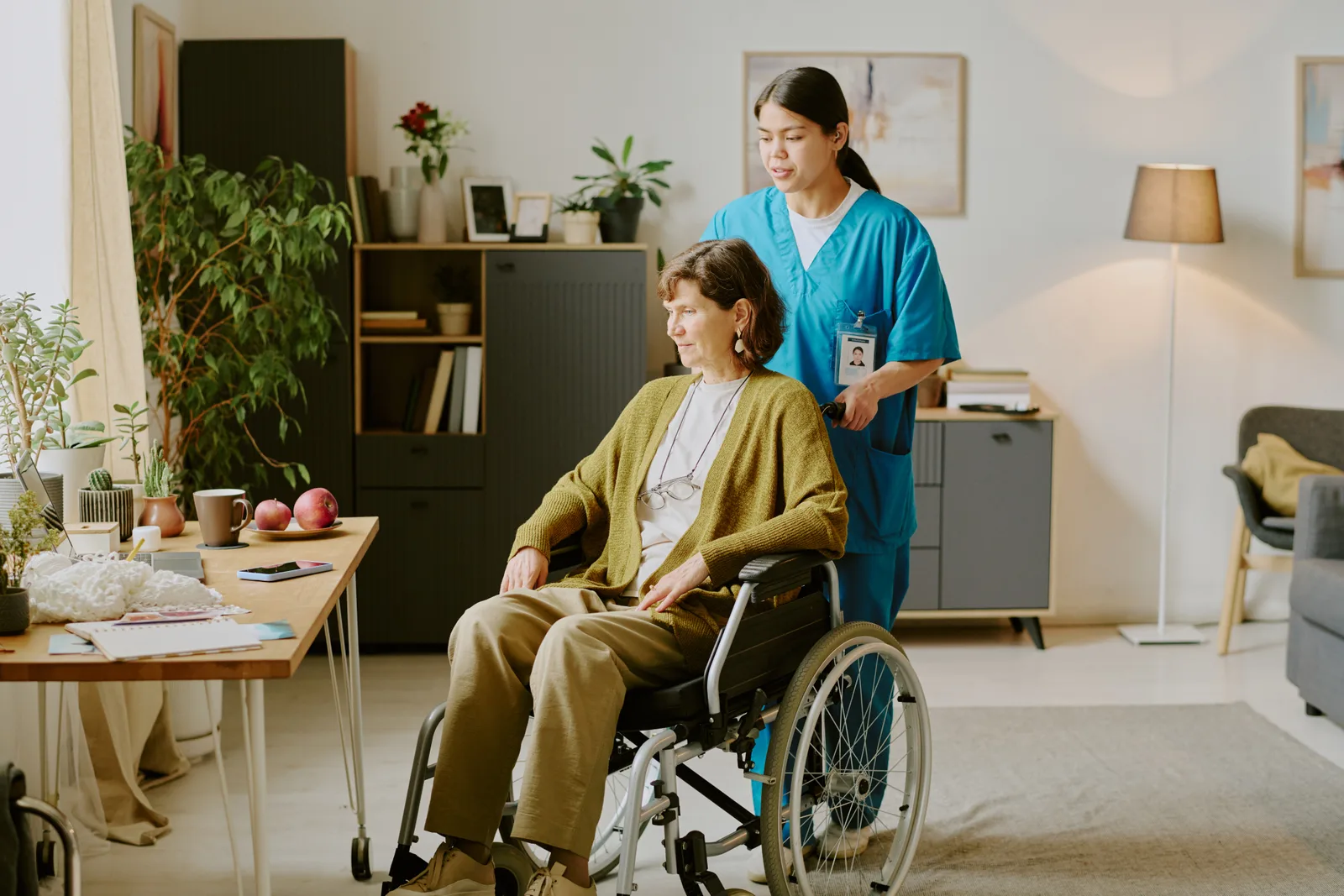
When Maria's mother turned 72, the type 2 diabetes diagnosis came as a shock to the entire family. Although they knew that risk increases with age, nobody was prepared for the changes this condition would bring to their lives. Questions arose one after another: what could she eat, how often should her blood sugar be checked, what signs should they watch for, who would look after her during the day? Maria's story is not unique – millions of families across Romania face the same concerns.
Diabetes in older people presents a complex challenge, not only because of the disease itself, but also because it frequently overlaps with other chronic conditions, memory problems, or mobility difficulties. In Romania, approximately one third of seniors over 65 live with diabetes or prediabetes, and many of them need ongoing support to keep the condition under control. The good news is that, with the right information and a well-organised care system, diabetes can be managed effectively, offering older people a good quality of life.
This guide was created for you – families who want to better understand what diabetes means for older people and how you can provide the best possible care for your loved ones. From symptoms and monitoring through to nutrition and knowing when to seek specialist help, you will find here the essential information to navigate this stage with confidence.
Contents
- What is diabetes in older people and why it differs
- Signs and symptoms to watch for in seniors with diabetes
- Daily monitoring: what, when, and how
- Nutrition and diet adapted for elderly diabetics
- Common complications and how to prevent them
- How to organise day-to-day care at home
- When to seek specialist care
- Frequently asked questions
What is diabetes in older people and why it differs
Diabetes mellitus in older people has distinct characteristics compared to the condition seen in younger adults. As we age, the body becomes less sensitive to insulin, the pancreas produces insulin less efficiently, and muscle mass declines, making it harder for the body to use glucose. These natural changes, combined with a sedentary lifestyle and hormonal shifts, significantly increase the risk of diabetes after the age of 60.
What makes diabetes particularly complex in older people is that it frequently overlaps with other chronic conditions such as high blood pressure, cardiovascular disease, arthritis, or kidney problems. Many seniors are already taking multiple medications, which complicates treatment management and increases the risk of drug interactions. Furthermore, symptoms can be more subtle or mistaken for the normal effects of ageing.
Types of diabetes in older people
Although type 2 diabetes is the most common form in older people, there are other situations worth considering:
- Type 2 diabetes mellitus – the most common, linked to insulin resistance and lifestyle
- Type 1 diabetes with onset in youth – seniors who have lived with this form for many years
- Prediabetes – elevated blood sugar that may progress to full diabetes
- Secondary diabetes – caused by certain medications (such as corticosteroids) or other illnesses
Signs and symptoms to watch for in seniors with diabetes
Recognising the signs of diabetes in older people can be difficult, as many symptoms are mistakenly attributed to the normal ageing process. Chronic fatigue, weakness, confusion, or changes in behaviour may be the first indicators that something is wrong with blood sugar levels.
In seniors who have already been diagnosed with diabetes, it is essential to remain alert to signs suggesting the condition is poorly controlled or that complications are developing. Hypoglycaemia (low blood sugar) can be particularly dangerous in older people, causing fainting, falls, or even heart attacks.
Classic symptoms of uncontrolled diabetes
- Excessive thirst and frequent urination, especially at night
- Extreme fatigue and pronounced muscle weakness
- Unexplained weight loss
- Blurred vision or changes in eyesight
- Wounds or infections that are very slow to heal
- Numbness or tingling in the hands and feet
- Confusion, irritability, or mood changes
Warning signs requiring immediate attention
Certain symptoms require urgent medical attention. If you notice severe trembling, cold sweats, marked confusion, loss of consciousness, difficulty breathing, or chest pain in your loved one, call 112 immediately. These signs may indicate a hypoglycaemic or hyperglycaemic crisis that is life-threatening.
Daily monitoring: what, when, and how
Regular blood sugar monitoring is the cornerstone of diabetes management in older people. Unlike younger adults who can quickly learn to check their own blood sugar, many seniors need assistance due to vision problems, trembling hands, or cognitive difficulties. This is where the crucial role of family members or carers comes in.
At the Maria-Theresia Șura Mică residential care centre for seniors, the medical team ensures blood glucose monitoring in accordance with personalised protocols for each resident with diabetes. Nurses check levels before meals and at intervals determined by the doctor, record results, adjust dietary plans, and alert the doctor when treatment modifications are needed. This level of constant supervision makes the difference between well-controlled diabetes and avoidable complications.
Recommended monitoring schedule
- First thing in the morning, before eating – the day's first reading, before breakfast
- Before lunch and dinner – to adjust portions and medication
- Before bedtime – to prevent nocturnal hypoglycaemia
- When symptoms appear – trembling, sweating, confusion
- Two to three hours after meals (occasionally) – to assess the impact of food
Useful devices and tools
Modern technology offers blood glucose monitors that are increasingly simple and accurate. Choosing the right one depends on the older person's abilities. Look for devices with large screens, easy-to-press buttons, automatic memory, and ideally smartphone connectivity so that family members can monitor readings remotely. Some continuous sensor models eliminate the need for repeated finger-prick tests, making them ideal for seniors who do not tolerate discomfort well.
Nutrition and diet adapted for elderly diabetics
Diet plays a fundamental role in diabetes management, but the situation is more nuanced in older people. Beyond controlling blood sugar, we must ensure they are receiving sufficient calories and nutrients to prevent malnutrition, which is a common problem at this age. Many seniors have lost their appetite, have dental problems, or have difficulty swallowing, all of which make adherence to a strict diabetic diet more challenging.
The basic principle is balance: complex carbohydrates in controlled amounts, sufficient protein to maintain muscle mass, healthy fats, and plenty of water. Avoid large meals and opt instead for five to six smaller meals throughout the day, which keep blood sugar stable and are easier to digest.
Recommended foods
- Whole grains – oats, brown rice, wholegrain bread in small portions
- Fresh vegetables – broccoli, spinach, carrots, peppers, tomatoes
- Lean proteins – fish, skinless chicken, eggs, low-fat cheese
- Pulses – beans, lentils, chickpeas (in moderate quantities)
- Low-glycaemic-index fruits – apples, pears, cherries, berries
- Nuts and seeds – almonds, walnuts, flaxseeds
What to avoid or limit
Eliminate or drastically reduce white sugar, sweets, sweetened drinks, white bread, fried potatoes, processed meats, and processed foods. Be cautious with very sweet fruits such as ripe bananas, grapes, dates, and figs. Alcohol should be avoided or consumed only with the doctor's approval, as it can interfere with medication and trigger hypoglycaemia.
Common complications and how to prevent them
Uncontrolled diabetes in older people can lead to severe complications that significantly affect quality of life. The longer a person lives with poorly controlled diabetes, the greater the risk of these complications. The good news is that most can be prevented or slowed through careful monitoring and appropriate care.
Among the most common complications are cardiovascular problems – diabetes doubles the risk of heart attack or stroke. Diabetic neuropathy causes numbness, pain, and loss of sensation in the feet, increasing the risk of wounds and infections. Diabetic retinopathy can lead to vision loss, whilst diabetic nephropathy affects the kidneys and may progress to renal failure.
Essential preventive measures
- Strict blood sugar control – keeping values within the range recommended by the doctor
- Annual eye examinations – for early detection of vision problems
- Foot care – daily inspection, proper hygiene, comfortable footwear
- Cardiovascular monitoring – blood pressure and cholesterol checks
- Regular blood tests – kidney function, glycated haemoglobin (HbA1c)
- Up-to-date vaccinations – flu and pneumonia, given reduced immunity
Foot care – a priority for diabetics
The diabetic foot is one of the most serious complications. Seniors with diabetes should inspect their feet daily for cuts, blisters, red areas, or swelling. Wash them daily with lukewarm water (not hot!), dry thoroughly between the toes, and apply moisturising cream. Cut nails straight across, wear cotton socks without tight elastic, and never go barefoot. At any sign of infection, consult a doctor promptly.
How to organise day-to-day care at home
Caring for a senior with diabetes at home requires organisation, patience, and a clear system of responsibilities. The first step is to create a daily routine that includes set times for blood sugar checks, medication administration, meals, physical activity, and sleep. Routine gives seniors a sense of security and reduces the risk of dangerous oversights.
Adapt the home environment to prevent accidents – remove rugs that could cause trips and falls, ensure good lighting throughout (especially in the bathroom and hallways at night), and install grab rails in the bathroom and next to the toilet. Keep medications in a clearly labelled weekly organiser and check daily that the correct doses have been taken.
Daily task list for carers
- Check blood sugar according to the agreed schedule
- Ensure medications are taken correctly
- Prepare and serve balanced meals at regular times
- Encourage adequate hydration
- Inspect feet and skin for wounds or irritation
- Encourage gentle daily physical activity
- Monitor general wellbeing and mood
- Record readings and observations in a log
When caring becomes overwhelming
Caring for a senior with diabetes is a significant responsibility that can be physically and emotionally exhausting. If you are working, have your own family to look after, or if the senior requires constant supervision, it is important to recognise your limits. Many families reach burnout by trying to manage everything on their own. Acknowledging that you need help is not a failure – on the contrary, seeking solutions that ensure the best care for your loved one is an act of love and responsibility.
When to seek specialist care
There are times when home care is no longer sufficient or safe, and turning to specialist care becomes necessary for the health and wellbeing of the senior. This decision is difficult for any family, but it may be the best choice when the resources and expertise required exceed what you are able to provide at home.
Signs that it may be time to consider specialist care include: repeated episodes of severe hypoglycaemia or hyperglycaemia, the senior's inability to manage their own medication, diabetes accompanied by dementia or other complex conditions, the absence of a carer available throughout the day, complications requiring frequent medical interventions, or a general decline in health despite your best efforts.
What a specialist centre offers
Modern residential care centres for seniors, such as the Maria-Theresia Șura Mică residential care centre for seniors in Sibiu County, provide a safe and specialist environment for older people with diabetes. Here, a permanent medical team – comprising doctors, nurses, and trained carers – ensures constant blood glucose monitoring, correct administration of medication at scheduled times, and immediate intervention in the event of an emergency.
The benefits of such a centre include:
- 24/7 medical supervision – qualified staff available at all times
- Personalised nutrition – balanced meals for diabetics, prepared by nutritionists
- Rigorous monitoring – blood sugar, blood pressure, and weight, with continuous records
- Complication prevention – proactive care of feet, skin, and eyesight
- Adapted activities – a daily programme with gentle physical exercise and cognitive stimulation
- Socialisation – a community of seniors, preventing isolation and depression
- Peace of mind for the family – knowing that their loved one is safe
How to choose the right centre
When evaluating a residential centre for a senior with diabetes, ask about the carer-to-resident ratio, staff experience in diabetes management, emergency protocols, dietary options, the activities programme, and whether you can visit at any time. Visit the centre in person, speak with the staff and, if possible, with other residents or their families. A quality centre will be transparent and willing to answer all of your questions.
Frequently asked questions
What are normal blood sugar levels for older people?
For seniors with diabetes, target values are individualised according to their overall health. Generally, 90–130 mg/dl before eating and below 180 mg/dl two hours after a meal are recommended. The doctor may set more permissive ranges for frail elderly patients, in order to avoid dangerous hypoglycaemic episodes.
Can seniors with diabetes eat fruit?
Yes, fruit is permitted, but in controlled quantities and choosing varieties with a low glycaemic index such as apples, pears, cherries, or berries. Avoid very sweet fruits or concentrated fruit juices. A small portion of fruit eaten alongside protein or healthy fats will have a lesser impact on blood sugar levels.
How often should a senior with diabetes see a doctor?
A senior with stable diabetes should consult their GP at least once every three months to monitor glycated haemoglobin (HbA1c) and adjust treatment. Consultations with specialists such as an ophthalmologist, cardiologist, or nephrologist are recommended annually or as advised by the GP. Should there be any changes in health status, a consultation is required immediately.
What should I do if blood sugar drops too low?
Hypoglycaemia (blood sugar below 70 mg/dl) is an emergency. If the person is conscious and able to swallow, immediately give them 15 grams of fast-acting carbohydrates: three or four sweets, a small glass of fruit juice, or a teaspoon of honey. Check blood sugar again after 15 minutes. If the person is unconscious, call 112 immediately and do not attempt to give them anything by mouth.
Is physical exercise safe for seniors with diabetes?
Not only safe, but essential! Physical activity helps control blood sugar, improves circulation, and maintains mobility. Short walks of 10–15 minutes after meals, gentle seated exercises, adapted yoga, or light gymnastics are all good options. The key is regular activity rather than intensive exercise, and blood sugar should be checked before and after. Consult the doctor before starting any new exercise programme.
How much does specialist care for a senior with diabetes cost?
Costs vary depending on the level of care required, the type of centre, and the services included. At residential centres in Romania, monthly fees for full care typically range between 1,500 and 3,500 RON, covering accommodation, meals, medical supervision, and activities. Some centres offer tiered packages based on individual medical needs. Contact the centres you are interested in directly for accurate and detailed information.
Managing diabetes in older people is a complex journey, but you do not have to navigate it alone. With the right information, specialist support, and a clear care plan, seniors with diabetes can live comfortably and safely. If home care is becoming overwhelming, or if your loved one requires constant medical supervision, explore the specialist care options available in your area. Do not hesitate to speak with your GP or to visit residential centres to find the solution that best meets your family's needs. Your health and peace of mind matter just as much.
This article is intended for informational purposes only and does not replace medical advice. Please consult a specialist for specific situations.
Previous
Assessment Visit to a Care Home: A Complete Guide for Family Members
Next
Occupational Therapy for the Elderly: What It Is and How It Helps the Family
Similar articles
How to Manage Specialist Referrals for an Elderly Person with Multiple Chronic Conditions
10 October 2026

Aphasia After Stroke: How to Communicate With an Elderly Person Who Can No Longer Speak Normally
8 October 2026
Preventing Pressure Sores: What Every Family Should Know
6 October 2026
5 Practical Tips for Managing Incontinence in the Elderly
6 October 2026
How to Manage Enteral Nutrition for an Elderly Person at Home: A Practical Guide
5 October 2026
How to Communicate Effectively with the Care Home's Coordinating Physician
3 October 2026