
Sugar, the Brain's Primary Enemy in Older Adults. Devastating Effects on Memory
Specialists warn: excessive sugar consumption accelerates cognitive ageing and affects seniors' memory more than previously thought.
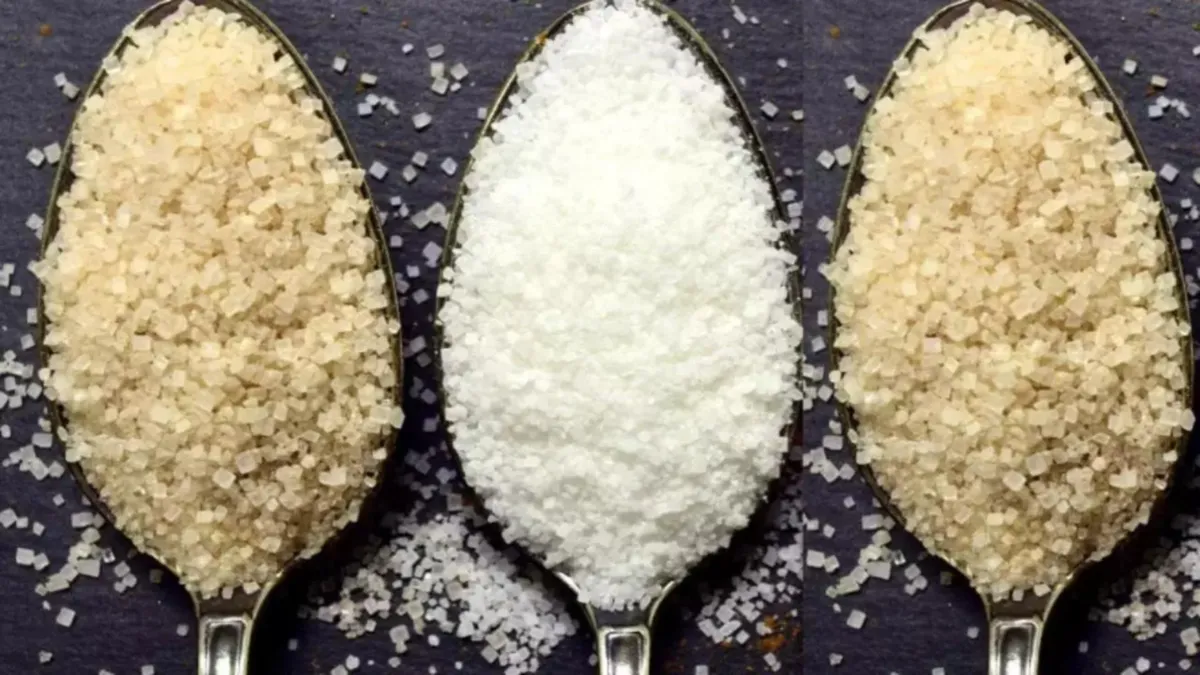
At senior age, protecting brain health becomes an essential priority, and one of the greatest threats is excessive sugar consumption. While many people assume that processed foods or cakes are the main culprits behind cognitive decline, recent research shows that added sugar in everyday foods is the most dangerous enemy of brain function in older adults.
For seniors who wish to maintain their mental sharpness and prevent neurodegenerative conditions such as dementia or Alzheimer's disease, understanding how sugar affects the brain is crucial. The human body requires only 100 calories from sugar per day for women and 150 for men, yet most older adults consume three to four times that amount without realising it, due to hidden sugars in processed foods.
The impact of sugar on the ageing brain manifests through several devastating mechanisms. First and foremost, excessive consumption dramatically accelerates cognitive ageing, directly impairing concentration and both short- and long-term memory. This deterioration is particularly concerning for seniors who are already experiencing the natural age-related changes in brain function.
Cardiovascular effects and their impact on the brain
In older adults, sugar becomes even more dangerous through its effects on the cardiovascular system. A specific molecule found in processed sugars causes changes in the heart muscle protein, impairing the pumping system and increasing the risk of myocardial infarction. For the ageing brain, poor blood circulation means reduced oxygenation and insufficient nutrients, thereby accelerating cognitive decline.
Sugar also contributes significantly to the development of abdominal obesity in seniors — a problem that amplifies both cardiovascular and neurological risks. Excessive fructose consumption leads to leptin resistance, affecting the hormone responsible for satiety signals, which in turn drives overeating and serious metabolic complications that directly impair brain function.
The worrying link with cancer and longevity
Research published in the Journal of Clinical Investigation shows that increased glucose absorption promotes the growth of cancer cells, including those affecting the central nervous system. For older adults whose immune systems are already weakened, this information is essential when adopting a diet that protects both the brain and the body more broadly.
A particularly concerning finding for families caring for elderly relatives is that American studies from 2013 demonstrate that excessive consumption of sweetened drinks can contribute to a significant reduction in life expectancy, through the development of chronic conditions such as diabetes, cancer, and cardiovascular disease.
Protective strategies for seniors
To protect the ageing brain, it is vital to distinguish between the natural sugars found in fruit and vegetables — which are beneficial — and artificial sugars subjected to refining processes that render them harmful. Seniors and their families must remain vigilant when reading food labels, as sugar is hidden under various names in the majority of commercially available products.
The effect of sugar on the liver in older adults is comparable to that of alcohol, causing hepatic dysfunction that indirectly affects brain health. An overburdened liver cannot filter toxins efficiently, allowing harmful substances to reach the brain and accelerate neurodegenerative processes. By drastically reducing their intake of added sugar, seniors can protect both their liver and their cognitive function, thereby preserving their independence and quality of life in the long term.
Content paraphrased and adapted by SeniorHelp from verified public sources.
Original source: Realitatea →Previous article
Healthcare Unions Announce Protests to Protect Wages. The Impact on Senior Care
Next article
Avocado: the fruit that protects seniors' hearts by reducing cholesterol and blood pressure
Similar news
 Foto ilustrativă
GPs warn: flu vaccination should not be delayed
11 October 2026

GPs recommend flu vaccination before the epidemic spreads
11 October 2026

Depression in the elderly, mistaken for ageing: what signs to look out for
11 October 2026

Forgetfulness in Old Age: What's Normal and When to Visit PROMEMORIA for a Check-up
9 October 2026
Over 80,000 Respiratory Infections Recorded in Romania in One Week, INSP Data Shows
9 October 2026
 Foto ilustrativă
Raw milk can contain dangerous bacteria: who is at risk of severe illness
9 October 2026