
Avocado: the fruit that protects seniors' hearts by reducing cholesterol and blood pressure
Specialists recommend regular avocado consumption for seniors, owing to its cardiovascular benefits and its role in preventing age-related conditions.
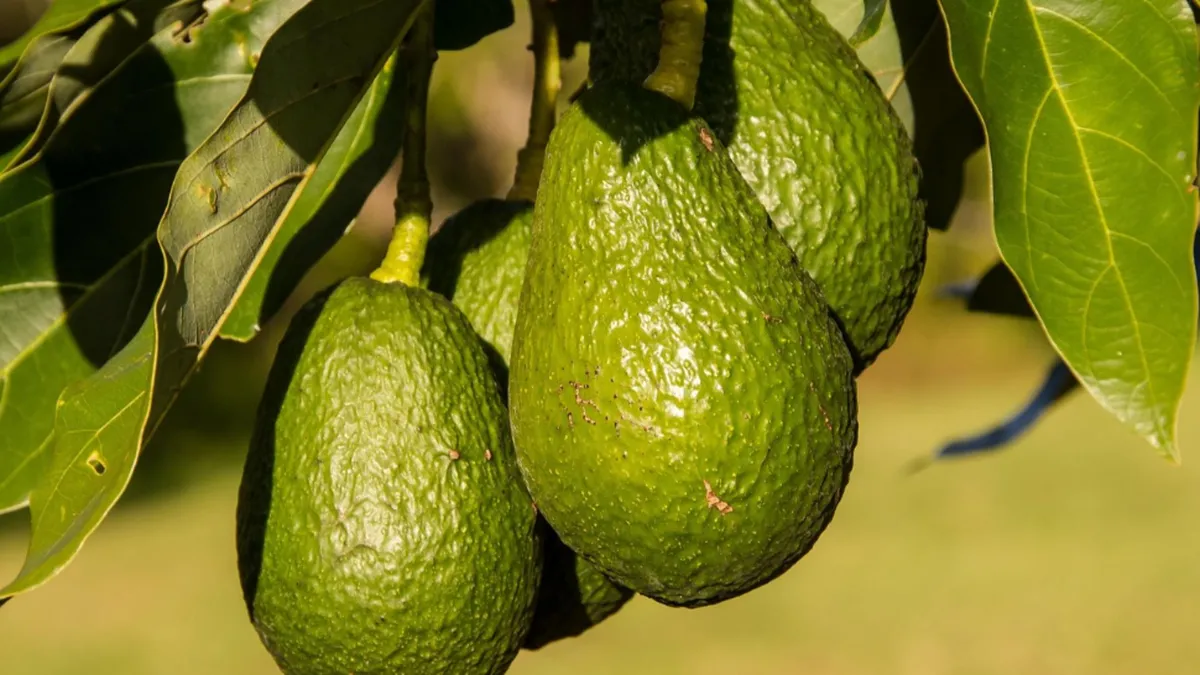
Cardiovascular health is a major priority for older adults, and including certain foods in the daily diet can make the difference between an active old age and one marked by medical problems. Avocado stands out as one of the most valuable allies for seniors in the fight for a healthy heart and an organism resilient to chronic disease.
For elderly people dealing with high cholesterol, avocado offers a natural and effective solution. The monounsaturated fats in this fruit help raise beneficial HDL cholesterol whilst reducing harmful LDL cholesterol, which is responsible for the formation of atherosclerotic plaques on arterial walls. This effect is complemented by the presence of phytosterols and fibre, which improve the overall lipid profile.
High blood pressure, a common problem amongst seniors, can be kept under control through regular avocado consumption. The high levels of potassium and magnesium in this fruit contribute to the relaxation of blood vessels and to maintaining blood pressure within normal parameters, thereby reducing the risk of strokes and myocardial infarction.
Protection against degenerative diseases
Advanced age is often accompanied by chronic illnesses and degenerative processes that affect quality of life. Avocado contains an impressive range of antioxidants — vitamin E, vitamin C, phenolic compounds and carotenoids — that combat oxidative stress and chronic inflammation. These bioactive compounds have cardioprotective and neuroprotective effects, making them particularly valuable for seniors who wish to maintain their cognitive functions and prevent deterioration of the cardiovascular system.
Osteoporosis, a condition common amongst older adults, can be prevented through adequate intake of vitamin K, a nutrient present in significant quantities in avocado. This vitamin is essential for bone metabolism and for maintaining bone mineral density — aspects that are crucial for the mobility and independence of elderly people.
Eye health and the digestive system
Age-related macular degeneration is a major cause of vision loss in seniors. Avocado contains lutein and zeaxanthin, two carotenoids that accumulate in the retina and protect ocular tissues from the harmful effects of ultraviolet radiation. Regular consumption of this fruit can help maintain clear vision and reduce the risk of age-related ophthalmological complications.
The digestive system of seniors also benefits from the inclusion of avocado in the diet. The soluble and insoluble fibre in the fruit has a prebiotic effect, nourishing beneficial bacteria in the gut microbiota and promoting healthy digestion. This is particularly important for older adults, who frequently experience digestive issues and constipation.
Although avocado has a relatively high caloric density, the healthy fats and fibre it contains prolong the feeling of fullness, helping to maintain an optimal body weight. For seniors wishing to manage their weight or prevent obesity, this fruit can be successfully incorporated into a balanced diet, alongside physical exercise adapted to their age.
Content paraphrased and adapted by SeniorHelp from verified public sources.
Original source: Realitatea →Previous article
Sugar, the Brain's Primary Enemy in Older Adults. Devastating Effects on Memory
Next article
Budget Delays for 2025 - Impact on Pensions and Services for Seniors
Similar news

Microplastics in tap water can be reduced through boiling and filtering, a study shows
16 October 2026

Over 350,000 doses of flu vaccine to arrive in pharmacies next week
16 October 2026

First influenza-related death of this season confirmed by INSP: unvaccinated man from Cluj
16 October 2026
Partial Nephrectomy: The Operation That Treats Kidney Tumours and Preserves the Kidney
16 October 2026

Time spent in nature could improve one's relationship with food, a British study suggests
16 October 2026

What a liver operation involves: preparation and recovery
15 October 2026