
Prolonged heatwaves: are they more dangerous? What recent studies show
Extreme heat poses a major risk to older adults. Studies show that the duration of heatwaves amplifies the harmful effects on health.
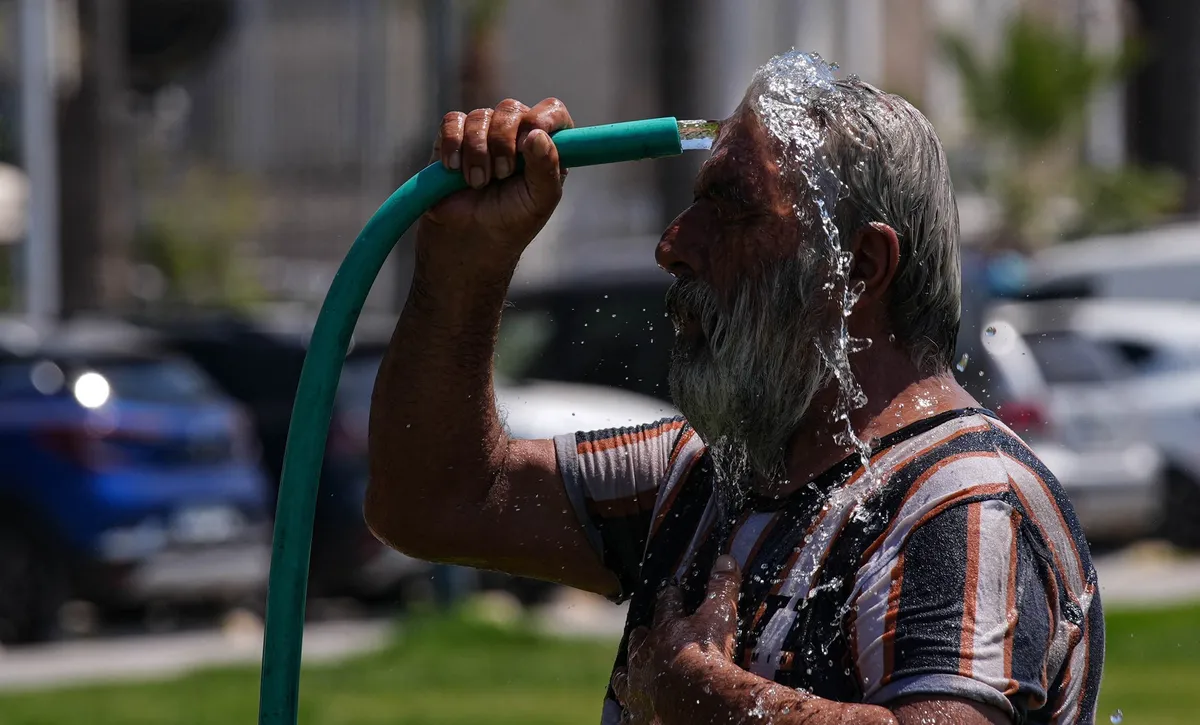
Prolonged heatwaves – a growing danger for older adults
The harmful effects of excessive heat on health have long been recognised: heatstroke, cardiovascular problems, severe dehydration. What is raising questions among researchers, however, is the extent to which these effects accumulate and intensify when a heatwave lasts for an unusually prolonged period, such as those that have recently affected several European countries.
What researchers say about heatwave duration
Scientists have long been studying the relationship between the duration of a heatwave and its impact on public health. The general conclusion of recent studies indicates that the longer a heatwave persists, the more its negative effects compound, as the body does not have sufficient time to recover and adapt between episodes of intense heat.
Why older people are the most vulnerable group
Elderly people are considered the most at-risk group when it comes to the dangers associated with prolonged heatwaves. As we age, the body's natural thermoregulation mechanisms weaken and the sensation of thirst diminishes, increasing the risk of dehydration without the person being aware of the danger. At the same time, chronic conditions common among older adults – heart disease, diabetes, high blood pressure – are significantly worsened by prolonged exposure to high temperatures.
Heightened cardiovascular and renal risks
Studies show that during extended heatwave periods, the number of hospital admissions and deaths among older adults rises considerably, particularly from cardiovascular and renal causes. The heart is forced to work harder to cool the body, whilst the kidneys are placed under additional stress due to dehydration. The cumulative effects of consecutive days of extreme heat can exceed the adaptive capacity of an ageing body.
Essential protective measures for older adults during heatwaves
Specialists recommend a number of practical measures to protect older people during prolonged heatwaves:
- Consistent hydration – at least 1.5–2 litres of water per day, even in the absence of thirst
- Avoiding sun exposure between 11:00 and 17:00
- Keeping the home cool by closing blinds during the day and ventilating at night
- Wearing lightweight, light-coloured clothing made from natural fabrics
- Regularly monitoring blood pressure and general health
- Maintaining frequent contact with family members or carers to report any concerning symptoms
The role of carers and family
In the context of prolonged heatwaves, professional carers and family members play an essential role in monitoring the health of older adults. People who live alone are at even greater risk, as they may reach a critical condition without anyone noticing in time. Residential care centres for older adults and home care services must have clear intervention protocols in place for the duration of heatwave periods.
Content paraphrased and adapted by SeniorHelp from verified public sources.
Original source: Digi24 →Previous article
Pension reform in Germany: retirement age could rise to 68 by 2051
Next article
Vouchers of up to 8,000 euros for assistive technologies and 93 rehabilitation centres, in the new governance programme
Similar news
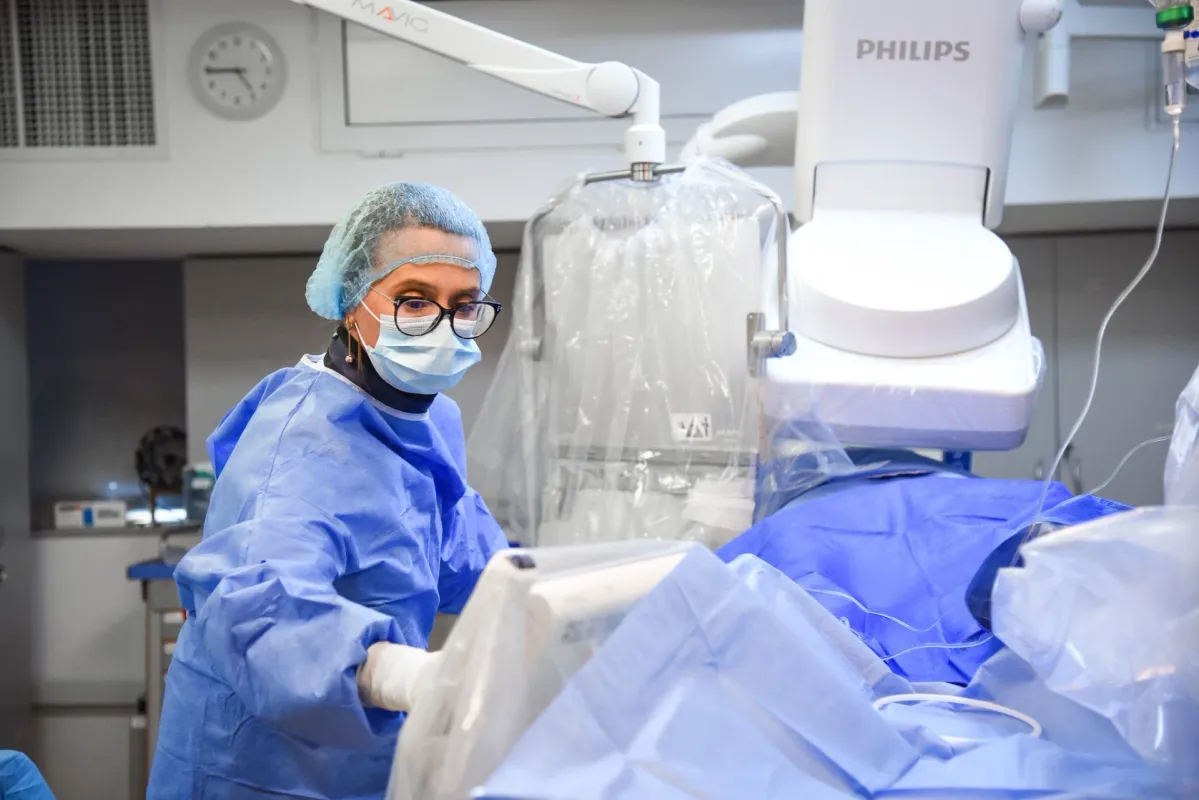
Peripheral Arteriography: the investigation that reveals blockages in the arteries of the legs and arms
25 September 2026

Socola Study: 6 in 10 Romanians Quickly Forget Essential Details. When Should We Be Concerned
25 September 2026

Palpitations, high blood pressure, chest pain: when you need a cardiologist
24 September 2026
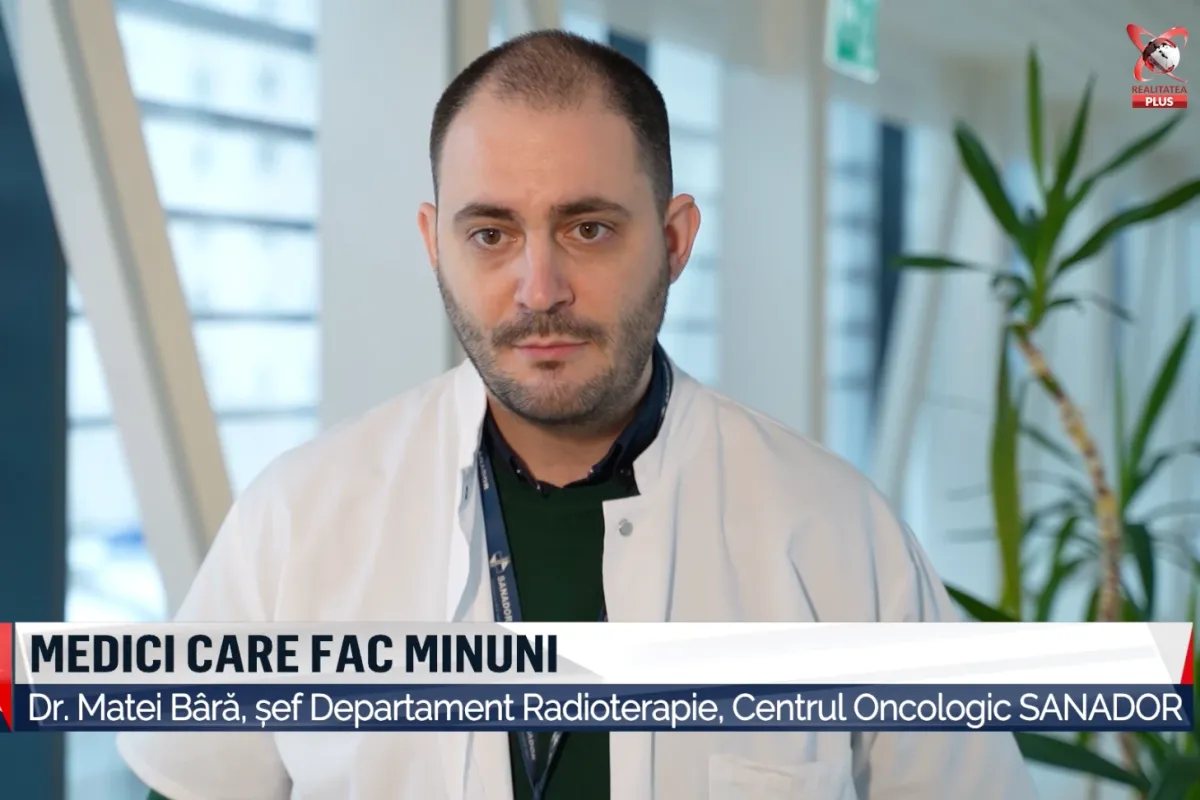
Radiotherapy in the treatment of lung cancer: when and how it is used
24 September 2026
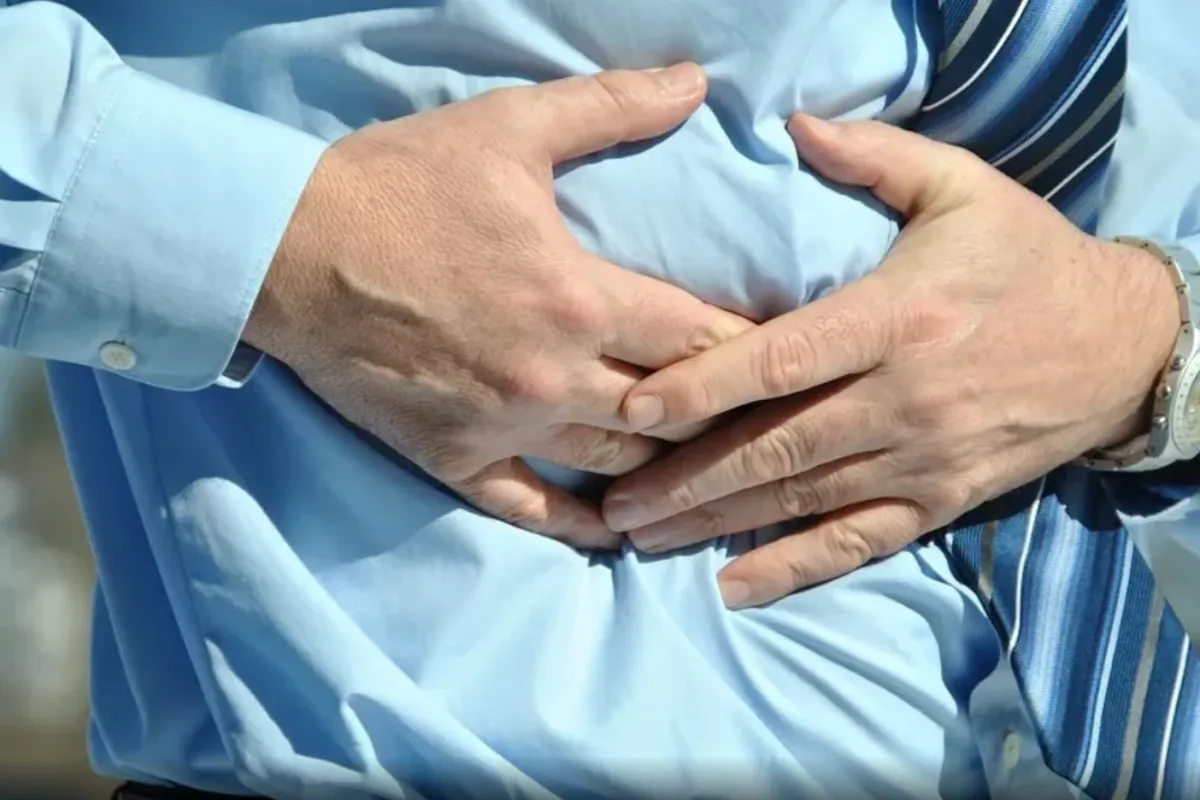
Aerophagia: when bloating and belching come from swallowed air, not from food
23 September 2026
Nearly 300,000 Romanians have dementia, and the number could reach 400,000 by 2050
22 September 2026