
Vouchers of up to 8,000 euros for assistive technologies and 93 rehabilitation centres, in the new governance programme
The new governance programme includes important measures for people with disabilities and the elderly, including vouchers for assistive equipment and rehabilitation centres.
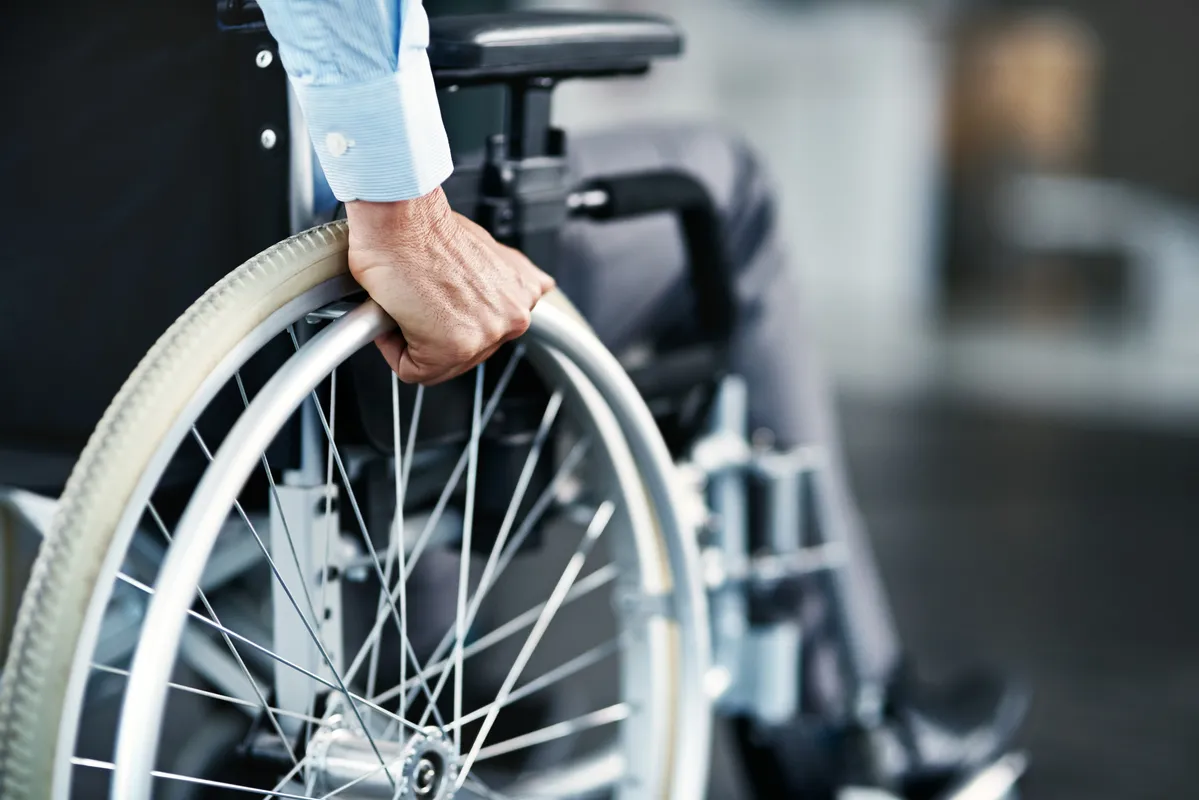
The governance programme proposed by the Veștea cabinet includes a series of concrete measures aimed at vulnerable people, among whom are elderly individuals with disabilities or conditions requiring specialist care. Among the most significant provisions is the granting of vouchers worth up to 8,000 euros for the purchase of assistive technologies — a substantial financial boost for those who rely on specialised equipment in their daily lives.
Assistive technologies encompass a wide range of devices and digital solutions designed to support the independence of people with reduced mobility or other types of disabilities — from electric wheelchairs and advanced hearing aids to augmentative communication software and health monitoring systems. For many elderly people in this situation, the cost of such equipment has until now represented a barrier that was difficult to overcome.
Another important measure concerns the establishment of 93 rehabilitation centres across the country. These centres will provide physical and functional rehabilitation services, which are essential for older adults who have suffered strokes or fractures, or who are living with neurological conditions such as Parkinson's disease or post-stroke complications. Access to quality medical rehabilitation is a determining factor in maintaining autonomy and quality of life in old age.
The programme also envisages the launch of a digital platform dedicated to supported employment for people with disabilities, through partnerships between public institutions and the private sector. Whilst this measure is primarily aimed at people of working age, it may also indirectly benefit younger seniors (aged 60–65) who wish to remain active in the labour market despite certain physical limitations.
The announced measures come against a worrying demographic backdrop for Romania, where the number of elderly people with disabilities is rising, whilst the network of social and medical services remains insufficiently developed relative to actual needs. Experts in the field have long been highlighting that investment in assistive technologies and rehabilitation centres can significantly reduce the long-term costs of institutionalisation and repeated hospitalisation.
It remains to be seen to what extent these programmatic commitments will translate into effective, adequately funded public policies — but the announcement represents a positive signal for the community of older adults and the families who care for people with special needs.
Content paraphrased and adapted by SeniorHelp from verified public sources.
Original source: Digi24 →Previous article
Prolonged heatwaves: are they more dangerous? What recent studies show
Next article
Why seniors should drink warm liquids on scorching hot days
Similar news

New law: savings and investment accounts for retirement, based on the American 401(k) model
16 October 2026

Pensions indexed from 2027 and capped salaries: what the Niculescu Government's programme provides for
15 October 2026

Niculescu Government promises extended energy bill support and gradual gas liberalisation
15 October 2026

AUR proposes retirement at 60 for people diagnosed with cancer
15 October 2026

College of Physicians calls for government reforms: on-call duties paid at 2017 salary levels
14 October 2026
 Foto ilustrativă
Patients with chronic illnesses warn they risk running out of treatments. Appeal to authorities
14 October 2026