
Donkey therapy improves mental health of elderly patients in psychiatric hospitals
French hospital uses donkeys in therapy for patients with anxiety and depression. Promising results for elderly people.
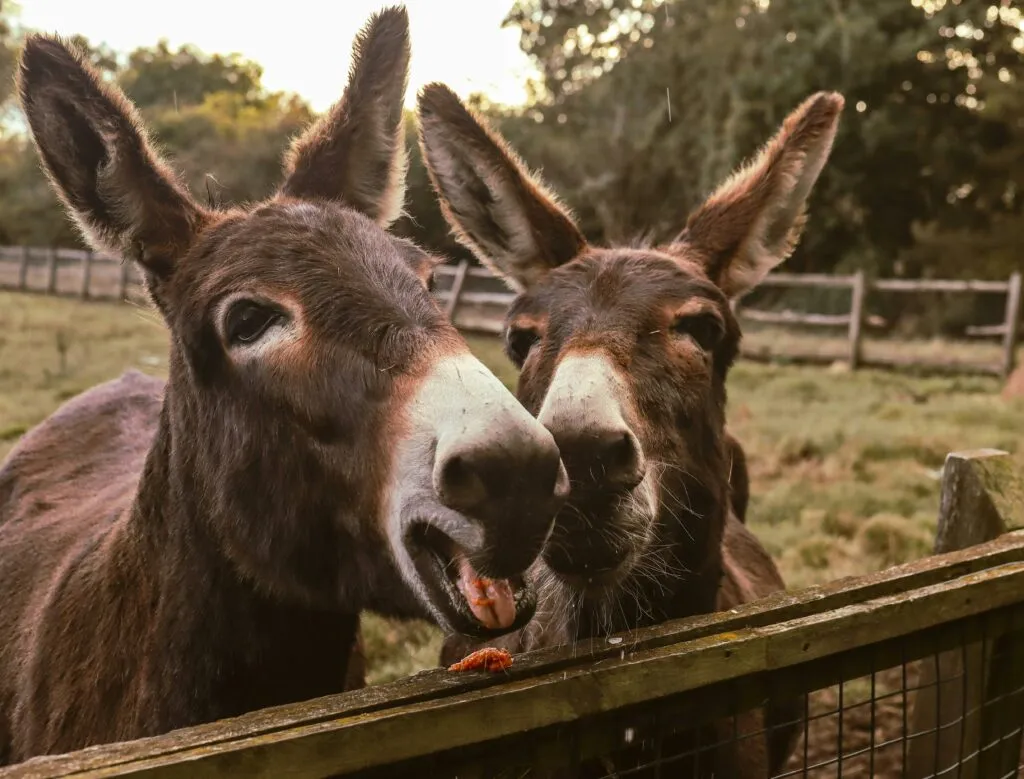
A psychiatric hospital in France has successfully implemented an innovative animal-assisted therapy programme, using donkeys to treat patients with various psychiatric conditions, including anxiety, depression, and other mental disorders commonly seen in elderly people.
The initiative, considered unique in France, operates at the Ville-Evrard hospital in Neuilly-sur-Marne and offers patients the opportunity to interact with the animals free of charge through walking and grooming activities. Medical staff report significant improvements in participants' emotional wellbeing, communication, and self-confidence.
Documented therapeutic benefits
A 60-year-old patient taking part in the programme describes the experience as "animal medicine" that brings relief and allows her to detach from everyday worries. The donkeys were specifically chosen for their calm temperament and natural ability to bond with people, serving as "mediators" between patients and medical staff.
Tangible results include the case of a patient who, after initially refusing to leave her wheelchair, managed to walk alongside the donkey she was working with. Specialists observe that the relationship with animals motivates patients to actively participate in activities and overcome social isolation.
Official recognition and expansion
Since 2022, the programme has gained official status as a care unit within the hospital, with dedicated staff. In addition to the five donkeys, the therapy also includes other animals such as guinea pigs, hens, goats, and rabbits, offering a varied range of therapeutic options.
Although animal therapy does not replace conventional medical treatment, doctors confirm its contribution to boosting self-esteem and improving patients' quality of life. Specialists emphasise the need for further studies to achieve official recognition of this complementary treatment method within the international psychiatric community.
Content paraphrased and adapted by SeniorHelp from verified public sources.
Original source: Mediafax →Previous article
Avocado, the food recommended by cardiologists for the heart health of seniors
Next article
Europe risks becoming a hotspot for the mosquito-borne chikungunya virus
Similar news

He Survived Colon Cancer Three Times. He Hid the First Sign for Years
13 October 2026

DXA Osteodensitometry: how bone density and fracture risk are assessed
13 October 2026

Chronic inflammation can damage the heart before symptoms appear, shows a study of 488,000 people
13 October 2026

Hepatitis A in Constanța: 23 outbreaks, 130 cases, under DSP monitoring
12 October 2026
 Foto ilustrativă
GPs warn: flu vaccination should not be delayed
11 October 2026

GPs recommend flu vaccination before the epidemic spreads
11 October 2026