
Europe risks becoming a hotspot for the mosquito-borne chikungunya virus
Climate change is facilitating the spread of the chikungunya virus across Central Europe, posing an increased health risk for older adults.
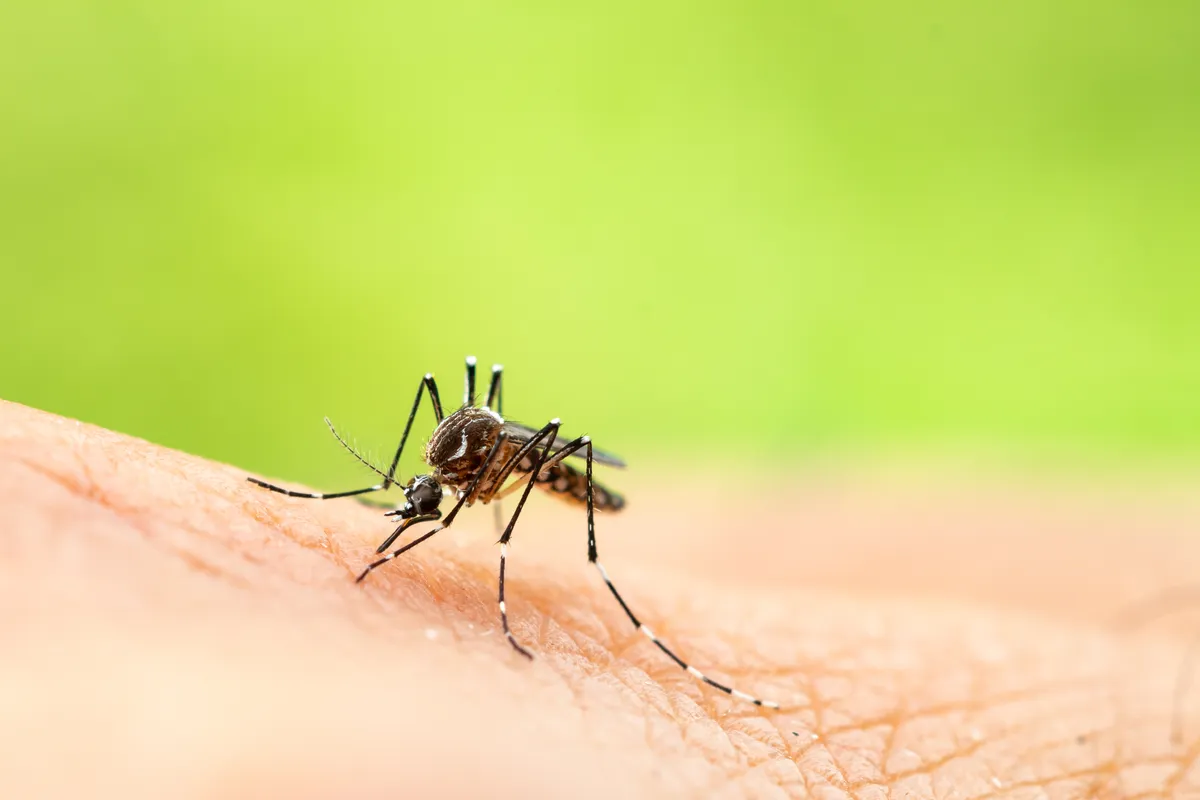
Europe is facing a new public health threat as climate change creates favourable conditions for the spread of the chikungunya virus, a tropical disease transmitted through the bites of infected mosquitoes. A recent study by Chinese researchers warns that rising temperatures are enabling the habitats of carrier mosquitoes to expand towards the northern regions of the continent.
The chikungunya virus can have particularly serious consequences for elderly people, who have a more fragile immune system and are more vulnerable to the complications of this infection. The disease presents with high fever, severe joint pain, and inflammation that can persist for months, significantly affecting the quality of life of older adults.
Researchers highlight that Central Europe could become a new hotspot for the disease in the coming years, as climatic conditions grow increasingly favourable for the survival and reproduction of the Aedes aegypti and Aedes albopictus mosquitoes, the primary vectors of the virus.
For elderly people and their carers, this development means that additional preventive measures must be implemented, such as using insect repellents, fitting protective screens, and avoiding areas with stagnant water near their homes.
Experts recommend that European healthcare systems prepare for this new reality by developing rapid diagnostic protocols and targeted treatments for chikungunya, with particular emphasis on protecting vulnerable populations, including older adults in care homes and residential care centres.
Content paraphrased and adapted by SeniorHelp from verified public sources.
Original source: Digi24 →Previous article
Donkey therapy improves mental health of elderly patients in psychiatric hospitals
Next article
Free electricity for war veterans and their widows
Similar news
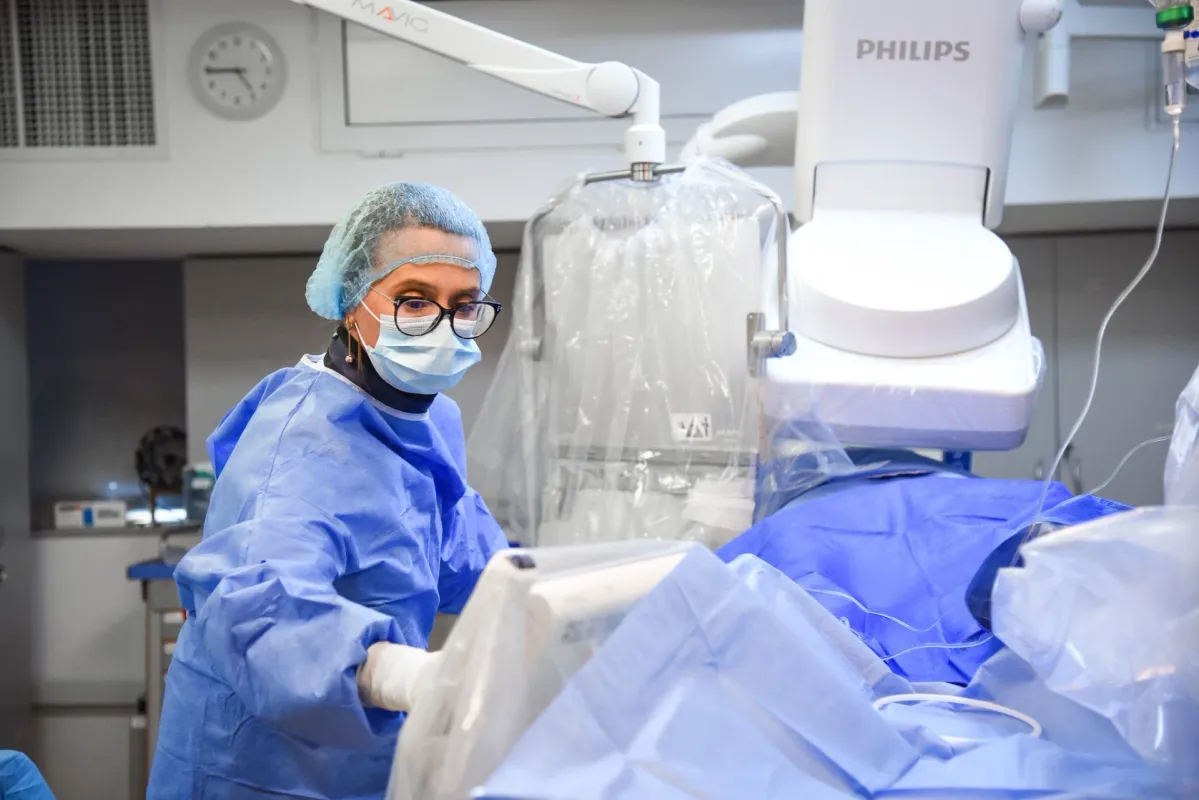
Peripheral Arteriography: the investigation that reveals blockages in the arteries of the legs and arms
25 September 2026

Socola Study: 6 in 10 Romanians Quickly Forget Essential Details. When Should We Be Concerned
25 September 2026
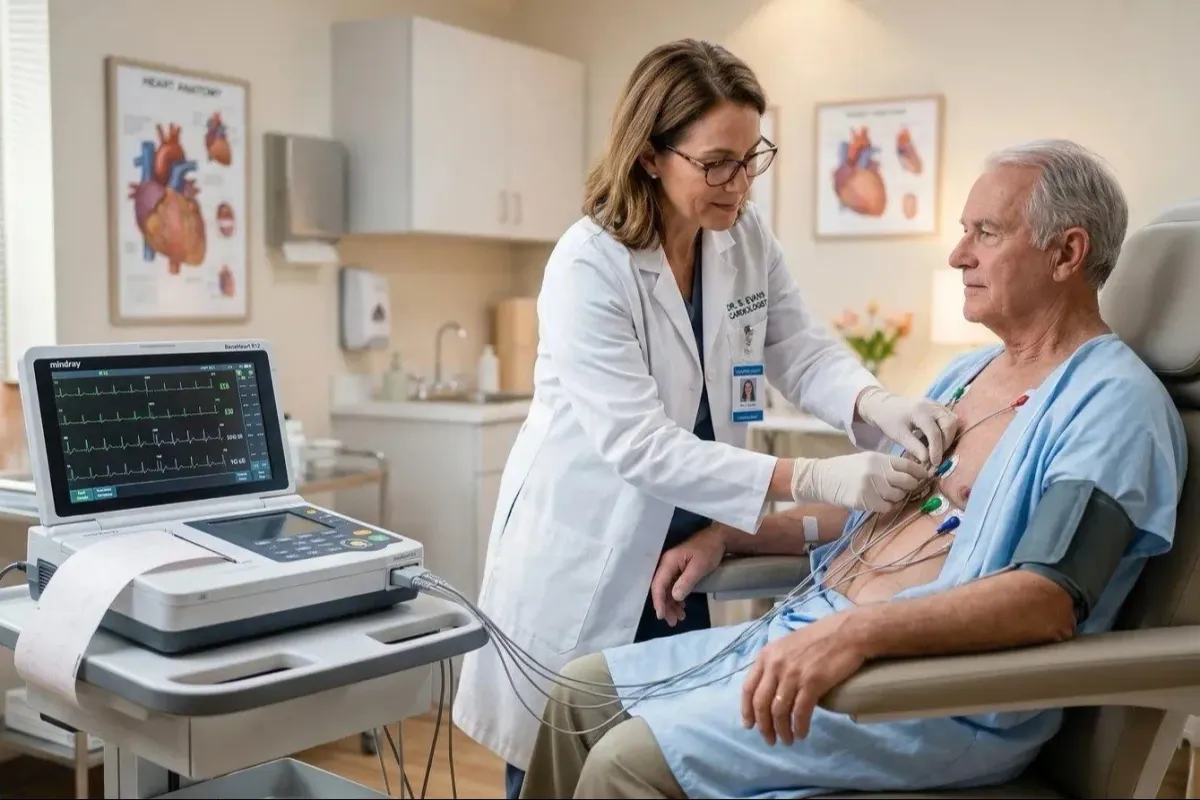
Palpitations, high blood pressure, chest pain: when you need a cardiologist
24 September 2026
Radiotherapy in the treatment of lung cancer: when and how it is used
24 September 2026
Aerophagia: when bloating and belching come from swallowed air, not from food
23 September 2026
Nearly 300,000 Romanians have dementia, and the number could reach 400,000 by 2050
22 September 2026