
Hospital in Prahova Resumes Operations After Two Weeks of Drinking Water Crisis
Admissions were suspended for two weeks at the Municipal Hospital in Câmpina due to a lack of drinking water, affecting the care of over 100,000 people.
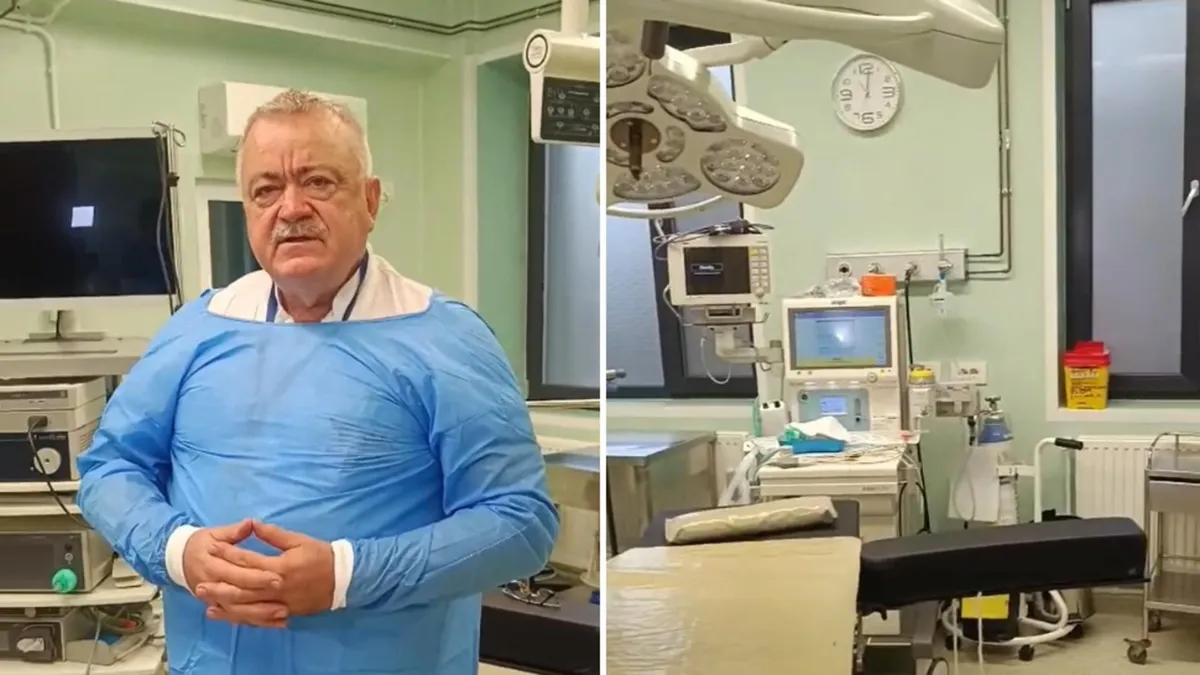
Câmpina Municipal Hospital has resumed normal operations after health authorities confirmed that the water supply network is once again safe to drink. The news comes after two weeks during which the medical facility operated under emergency conditions due to a drinking water crisis that affected over 100,000 residents.
The crisis period had a significant impact on medical services provided to patients. Admissions were completely suspended, and surgeons were unable to perform operations, with all six operating theatres closed on safety grounds. This situation particularly affected elderly patients, who represent a vulnerable group and frequently require urgent medical intervention.
Keeping the hospital running during the crisis demanded exceptional adaptations. In the intensive care unit, water had to be transported manually in jerry cans, creating additional difficulties for medical staff caring for critically ill patients. The unit dedicated to sterilising feeding bottles was also unable to function normally.
In order to maintain hygiene standards, the hospital was forced to turn to external services. Approximately 400 kilograms of patients' and medical staff's linen were laundered by a private company, generating additional costs for the institution. In the hospital kitchen, all food was prepared exclusively with bottled water to ensure patient safety.
Throughout the crisis, all medical cases that would normally have been treated in Câmpina were redirected as a priority to Ploiești Hospital. This measure placed additional pressure on the Ploiești facility and caused considerable inconvenience to patients and their families, who were required to travel greater distances to receive medical care.
Content paraphrased and adapted by SeniorHelp from verified public sources.
Original source: Realitatea →Previous article
Government Austerity: How It Affects Pensioners and Senior Citizens in Romania
Next article
Legislative proposal: raising the cash payment ceiling to 10,000 euros
Similar news

Microplastics in tap water can be reduced through boiling and filtering, a study shows
16 October 2026
Over 350,000 doses of flu vaccine to arrive in pharmacies next week
16 October 2026
First influenza-related death of this season confirmed by INSP: unvaccinated man from Cluj
16 October 2026
Partial Nephrectomy: The Operation That Treats Kidney Tumours and Preserves the Kidney
16 October 2026

Time spent in nature could improve one's relationship with food, a British study suggests
16 October 2026
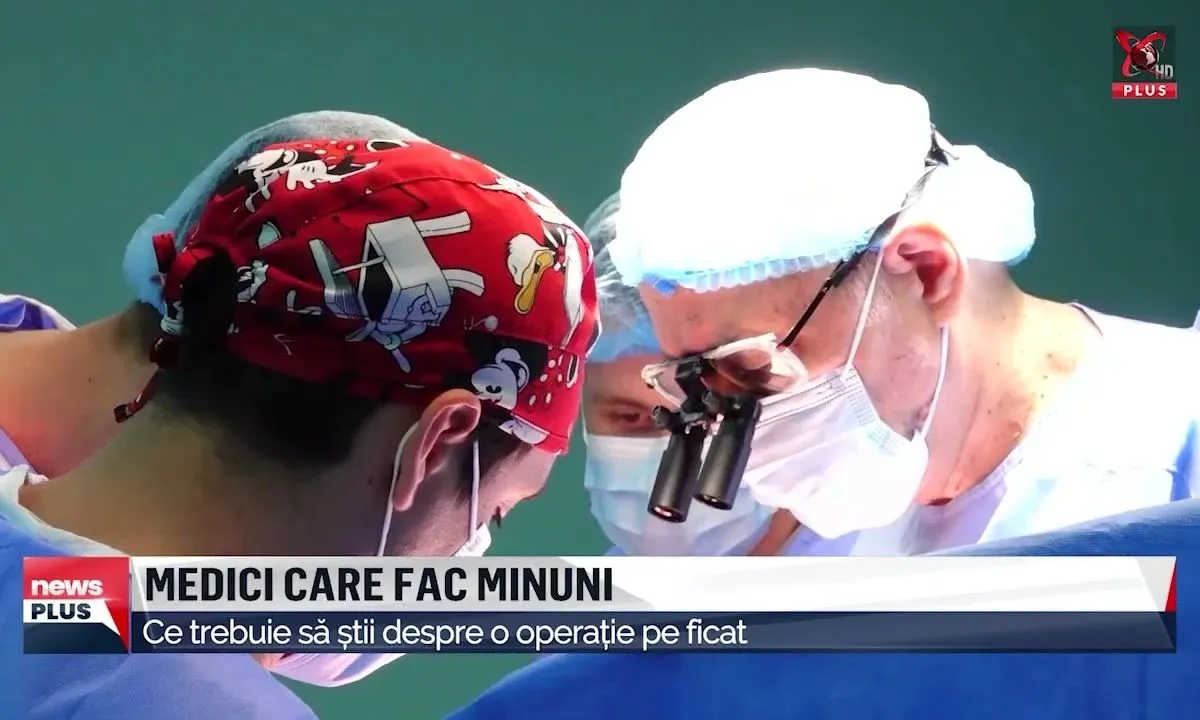
What a liver operation involves: preparation and recovery
15 October 2026