
Washing meat before cooking: risk or protection for vulnerable seniors?
The Romanian custom of washing meat runs counter to European food safety standards. What risks does this pose for older adults?
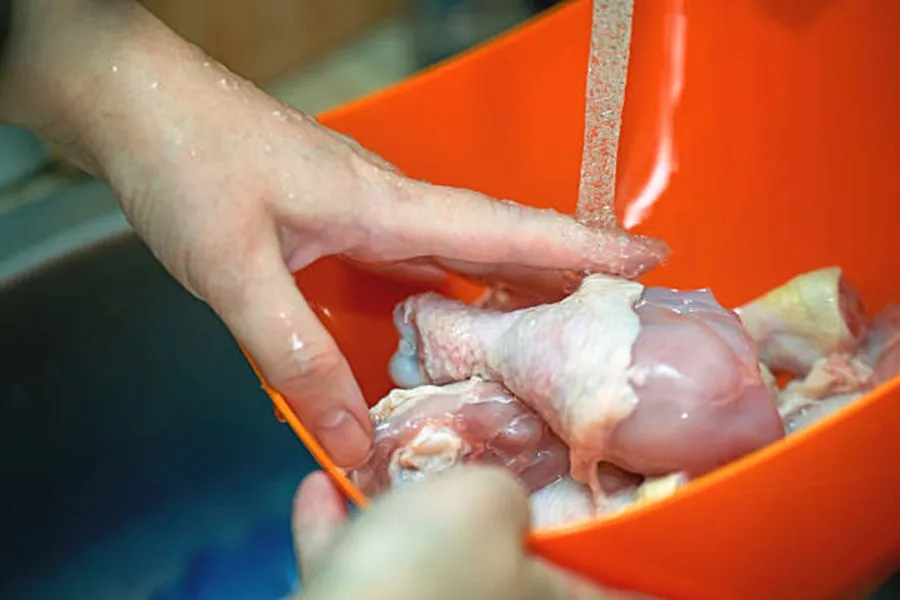
The question of whether meat should be washed before cooking divides traditional culinary practices from modern food safety recommendations — a particularly important issue for seniors with compromised immune systems. The debate gained wider attention after a mother raised the topic on social media, highlighting the differences between Romanian culinary traditions and European standards.
Food safety specialists warn that washing raw meat can pose a serious risk by spreading pathogenic bacteria around the kitchen. When water splashes, microbes such as Salmonella, E. coli and Campylobacter can disperse onto work surfaces, utensils and even other foods, creating a risk of cross-contamination.
For elderly people, whose immune systems are more fragile, this contamination can have serious consequences. Seniors are more susceptible to foodborne infections, which can rapidly progress to severe complications, including hospitalisation and long-term health problems.
Safe alternatives to washing meat
Rather than washing, experts recommend removing excess blood or other visible impurities using absorbent paper towels. This method reduces the risk of spreading bacteria and is equally effective at cleaning the surface of the meat. The paper towels should then be discarded immediately and hands washed thoroughly.
The cooking process remains the most effective method for eliminating dangerous microorganisms. The internal temperature of meat must reach a minimum of 75°C to ensure complete destruction of bacteria. Investing in a kitchen thermometer can be particularly worthwhile for families who care for elderly relatives.
For older people who continue to cook independently, adopting these modern food safety practices can prevent episodes of food poisoning. It is important for family members to discuss these matters with elderly parents or grandparents and help them adapt their cooking habits to minimise health risks.
Content paraphrased and adapted by SeniorHelp from verified public sources.
Original source: Adevărul →Previous article
Teleradiology Revolutionises Diagnostics for Seniors in Romania
Next article
Risks of Artificial Intelligence in Medicine for Seniors: What Families Need to Know
Similar news
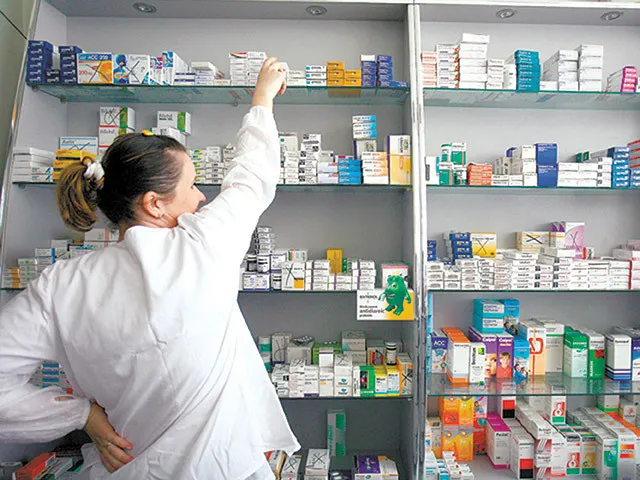
Fewer and fewer young people are choosing Pharmacy: fewer candidates than places available in Iași and București
3 August 2026
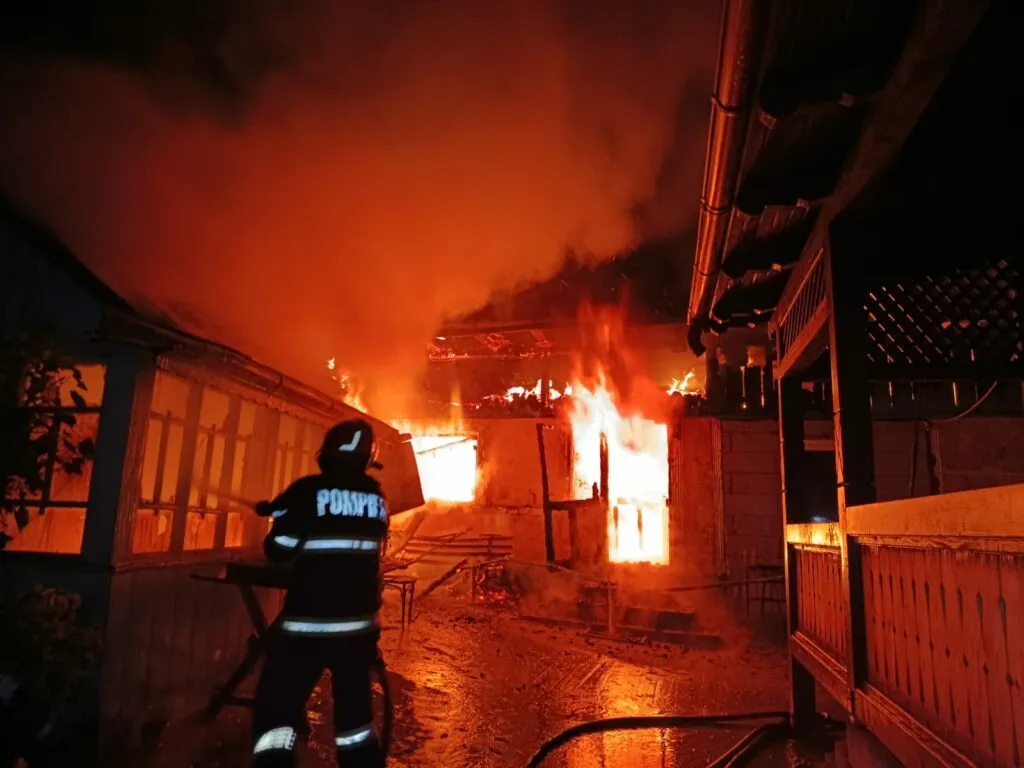
Tragedy in Suceava: 90-year-old senior loses his life in a house fire
15 June 2026
 Foto ilustrativă
90-year-old Romanian woman graduates from university, inspiring others about lifelong learning at any age
12 June 2026
 Foto ilustrativă
Seniors with DallBogg RCA Policies: The Procedure for Compensation Following Licence Withdrawal
11 June 2026
 Foto ilustrativă
How to quickly check your ANAF debts from the comfort of your home – a guide for seniors
10 June 2026
Romanian Seniors Vulnerable to Online Fraud: Only 30% Recognise Modern Scam Methods
29 May 2026