
Risks of Artificial Intelligence in Medicine for Seniors: What Families Need to Know
Experts warn of AI risks in the healthcare system. Seniors and their families need to understand the implications for care safety.
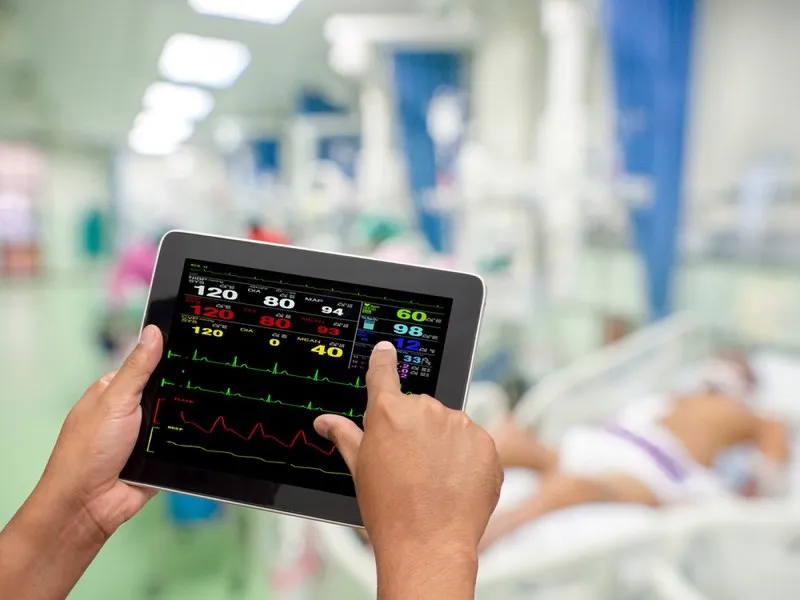
The integration of artificial intelligence into healthcare raises important questions about the safety of elderly patients, who represent the most vulnerable group when it comes to these emerging technologies. Cybersecurity experts warn that the most concerning issue is not necessarily the theft of personal data, but rather the potential diagnostic or treatment errors generated by AI systems.
For older adults receiving complex medical care, growing dependence on algorithms can have serious consequences. Artificial intelligence systems used to interpret medical tests, imaging, or treatment decisions can be compromised through sophisticated cyberattacks, which could lead to erroneous medical recommendations for elderly patients.
A major risk lies in the fact that many age-related conditions — such as dementia, cardiovascular disease, and diabetes — require a personalised approach that algorithms may struggle to replicate. AI systems trained on general datasets may fail to account for the metabolic particularities or the frequent comorbidities seen in older patients.
Experts advise families to remain vigilant regarding medical services that rely exclusively on automated diagnosis. It is crucial that older adults continue to benefit from direct consultations with physicians, who can interpret AI results within the context of the patient's complete medical history.
In care homes and residential care centres, the implementation of AI systems for health monitoring must adhere to strict security protocols. Medical staff must be trained to identify potential anomalies in the functioning of these systems and to intervene promptly to protect residents.
To minimise risks, families should inform themselves about the types of AI technologies used in their loved ones' medical care and request full transparency regarding how these systems operate. Open communication with the medical team remains essential for the safety of older adults in the age of digital healthcare.
Content paraphrased and adapted by SeniorHelp from verified public sources.
Original source: Adevărul →Previous article
Washing meat before cooking: risk or protection for vulnerable seniors?
Next article
Meningitis Outbreak in Europe: What Risk Does It Pose for Seniors in Romania
Similar news
First influenza-related death of this season confirmed by INSP: unvaccinated man from Cluj
16 October 2026
Partial Nephrectomy: The Operation That Treats Kidney Tumours and Preserves the Kidney
16 October 2026

Time spent in nature could improve one's relationship with food, a British study suggests
16 October 2026
What a liver operation involves: preparation and recovery
15 October 2026
Cardiac MRI: the investigation that provides detailed images of the heart
15 October 2026

Chronic insomnia linked to higher risk of stroke, dementia and hospitalisation, shows study of 1.3 million people
14 October 2026