
Early Signs of Diabetes That Seniors Need to Recognise
Early identification of diabetes symptoms can prevent serious complications in older adults. Here is what to look out for.
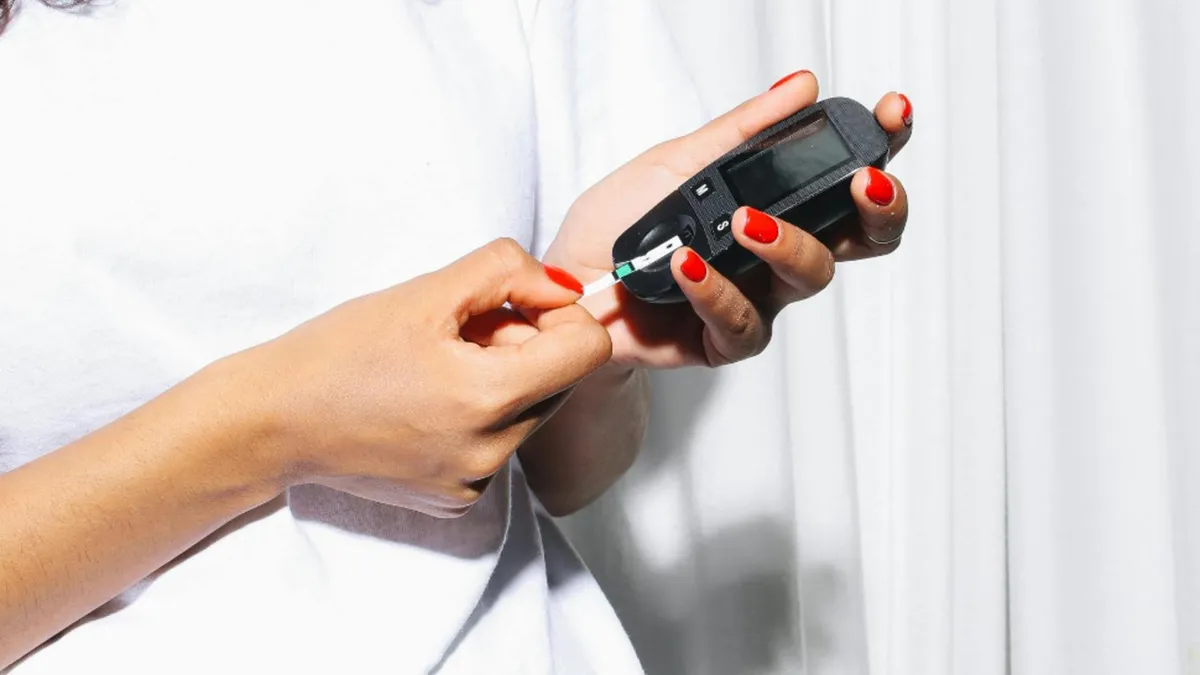
Diabetes presents a major health challenge for older adults, being a chronic condition that affects over 1 million Romanians, the majority aged over 60. Recognising the early warning signs can make the difference between effective management of the disease and the development of severe complications that can undermine quality of life in old age.
One of the first signs that should concern older adults is unexplained weight loss. When the body can no longer efficiently use glucose as an energy source due to insulin problems, it begins to draw on fat reserves and muscle mass. For elderly individuals, this loss of muscle mass can be particularly dangerous, increasing the risk of falls and fractures.
Skin changes are another important indicator that older adults can readily observe. The appearance of patches on the shins or other areas of the body, along with changes in skin texture or colour, may point to problems with sugar metabolism. The skin of elderly individuals is already more fragile, and diabetes worsens this situation by causing low-grade chronic inflammation that impairs the healing and regeneration process.
Chronic fatigue — a warning sign frequently overlooked
Persistent fatigue is perhaps the most commonly overlooked symptom among older adults, often mistakenly attributed to the natural ageing process. However, when the body cannot properly process glucose, available energy drops dramatically. Studies show that nearly half of all people with diabetes experience chronic fatigue, and in elderly individuals this condition can significantly affect their independence and ability to carry out daily activities.
The difference between normal age-related tiredness and that caused by diabetes lies in its persistence. If rest and sleep bring no relief, and fatigue interferes with everyday activities, it is important to consult a doctor for a blood glucose assessment.
A compromised immune system — increased vulnerability
Older adults with high blood glucose levels frequently notice that infections occur more often and take longer to clear. Frequent colds, recurring urinary tract infections, or cuts and scratches that do not heal normally are signs that should not be ignored. Diabetes compromises the immune system through several mechanisms: cellular dehydration, impaired blood circulation, and reduced white blood cell efficiency.
For elderly individuals, this heightened vulnerability to infections can have serious consequences, as their immune systems are already weakened by the natural ageing process. A simple cold can progress to severe respiratory complications, and a minor cut can lead to ulcerations that refuse to heal.
Recognising these early signs and consulting a GP allows for prompt diagnosis and the introduction of appropriate treatment. Managing diabetes in older adults means not only taking medication, but also adapting one's lifestyle, regularly monitoring blood glucose levels, and working closely with the medical team to prevent long-term complications.
Content paraphrased and adapted by SeniorHelp from verified public sources.
Original source: Realitatea →Previous article
Inflation Forces Seniors to Swap Familiar Brands for Cheaper Products
Next article
Over 2,000 Jobs Lost in Bihor – Major Impact on Pensioners and Families
Similar news

Microplastics in tap water can be reduced through boiling and filtering, a study shows
16 October 2026

Over 350,000 doses of flu vaccine to arrive in pharmacies next week
16 October 2026
First influenza-related death of this season confirmed by INSP: unvaccinated man from Cluj
16 October 2026

Partial Nephrectomy: The Operation That Treats Kidney Tumours and Preserves the Kidney
16 October 2026

Time spent in nature could improve one's relationship with food, a British study suggests
16 October 2026

What a liver operation involves: preparation and recovery
15 October 2026