
Minimum wage raised to 3,700 RON, but purchasing power has fallen by 8%
Romania is the only country in the EU where the real purchasing power of the minimum wage has fallen, despite the increase to 3,700 RON gross from July.
 Foto ilustrativă
Romania is the only country in the European Union where the real purchasing power of the minimum wage has declined, even though it was increased this year. From 1 July, the gross minimum wage rose to 3,700 RON, but this figure was not sufficient to offset recent price increases. The real value of income remained approximately 8% below the level that would have been needed to keep pace with inflation.
Why has purchasing power fallen if the wage increased on paper?
A rise in the minimum wage does not automatically guarantee that employees can buy more goods and services. When prices rise faster than incomes, the money received is actually worth less — even if the figure on the payslip is higher than before. This is precisely the situation being highlighted in Romania's case: the gross level of 3,700 RON has failed to keep up with accumulated price increases.
How much are Romanians losing each month due to inflation?
With current inflation at 8.2%, an employee on the minimum wage loses, on average, approximately 200 RON every month. In practice, the wage increase has been partially cancelled out by rising costs for food, services, and other everyday expenses. The impact is felt most acutely by those on low incomes, who spend the largest share of their wages on basic necessities — a situation that is also relevant for many pensioners and their family members, who face similar pressures on their budgets.
What are trade unions demanding for the 2027 minimum wage?
Trade unions are calling for an urgent convening of the National Tripartite Council, immediately following the formation of the next Government, in order to set the minimum wage applicable from 2027. Employee representatives are demanding that it rise to at least 5,000 RON gross, arguing that such a figure would better cover the ever-increasing costs borne by the population. The pressure on unions is considerable, given that the current increase has failed to make up for the losses caused by inflation, and a further rise is seen as essential to restore incomes to a level that covers day-to-day expenditure.
What are employer organisations proposing?
Employer representatives are putting forward a different proposal to that of the trade unions. Rather than a significant increase in the gross minimum wage, employer organisations are calling on the incoming Government to reduce payroll taxes by at least 5%, so that businesses can more easily absorb increases in employees' pay.
Content paraphrased and adapted by SeniorHelp from verified public sources.
Original source: Realitatea →Previous article
Energy bills set to rise in 2027: price increases estimated between 5% and 30%
Next article
eSănătateaMea: how patients access their prescriptions and medical history online
Similar news
IMF warns: the global economy is vulnerable. Expensive energy, record debt and risks for Romania
16 October 2026
 Foto ilustrativă
The Senate has voted on the ROBOR credit recalculation law. Romanians could receive money back from banks
14 October 2026

Senate wants recalculation of loans affected by ROBOR, based on IRCC
14 October 2026
Bușoi: The Next Government Must Quickly Decide Whether to Extend the Gas Support Scheme
14 October 2026
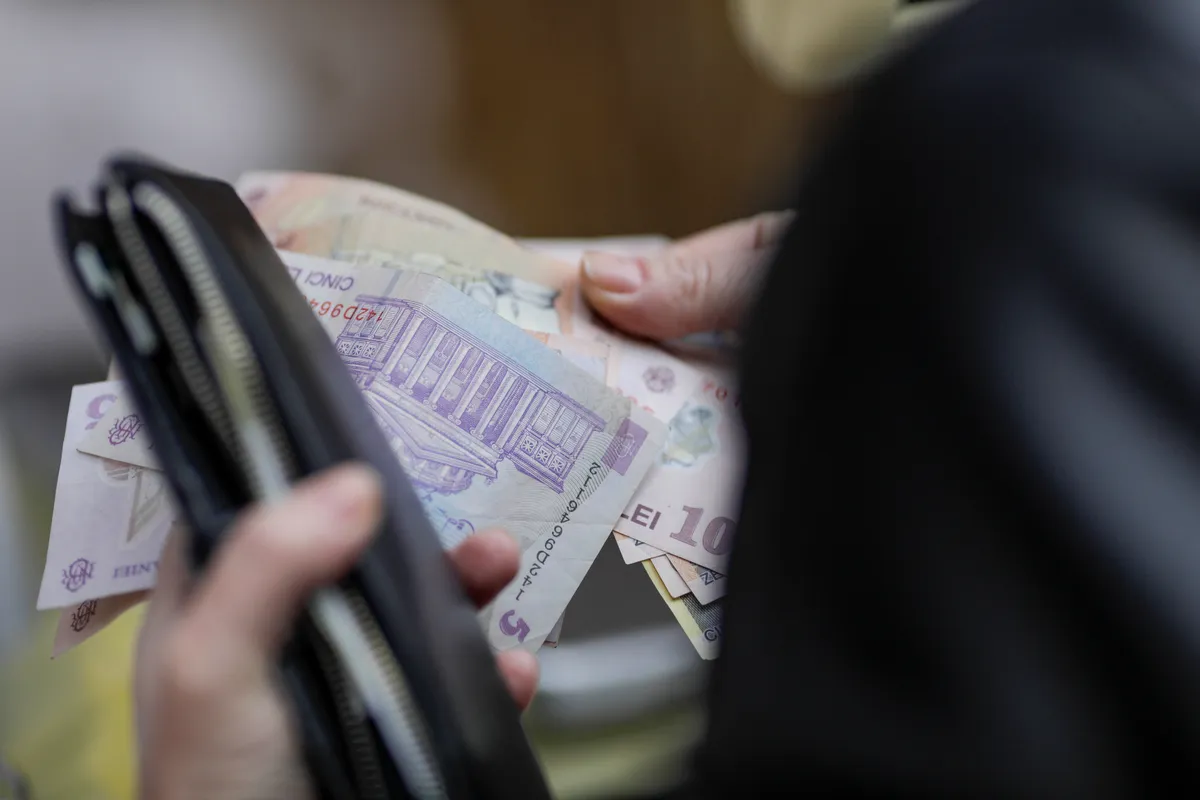
Average net salary fell to 5,688 RON in August, below inflation
13 October 2026

Average net salary fell in August 2026, inflation wiped out wage increases
13 October 2026