
The 10,000 Steps a Day Rule: What a Nutritionist Has to Say About This Goal
Nutritionist Andrei Panaite explains whether the 10,000 daily steps are a mandatory benchmark or merely a guideline, depending on each person's goals.
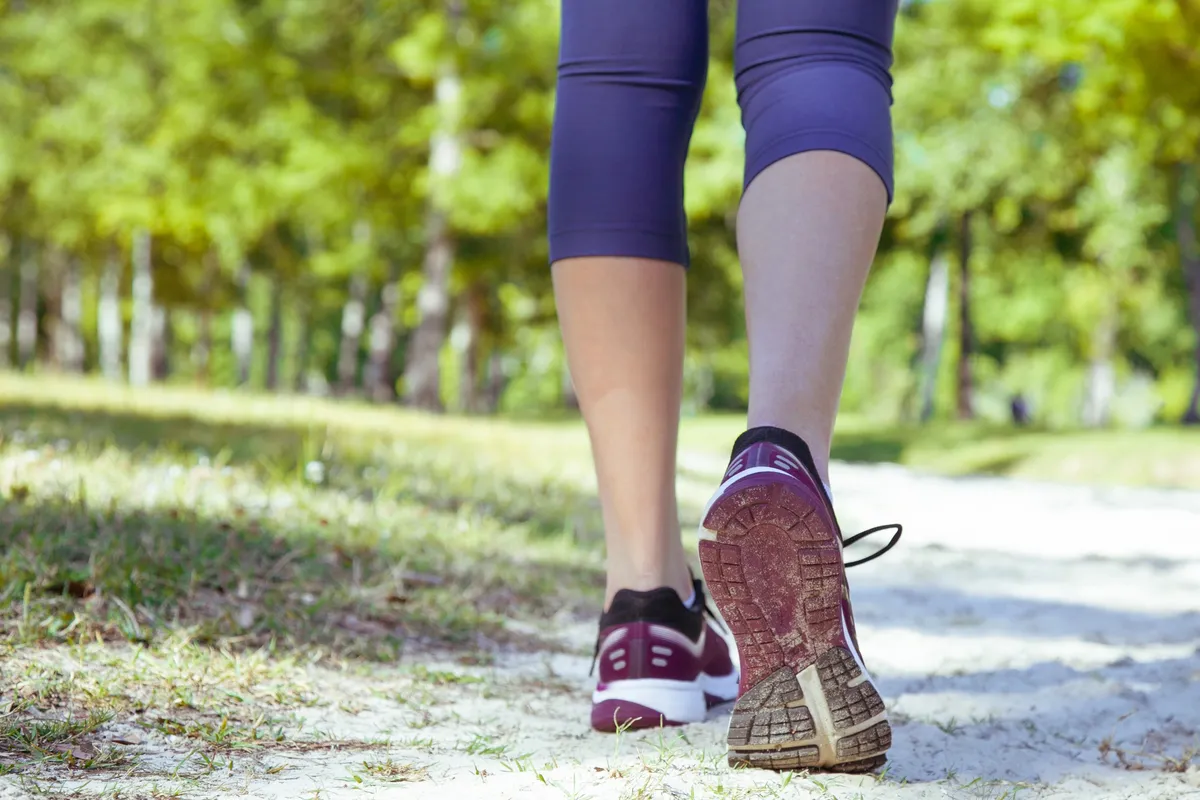
Many people have set 10,000 steps as their daily goal, viewing this threshold as a sign of a healthy lifestyle. Nutritionist Andrei Panaite explained, in an interview with Digi24.ro, that the right number of steps depends on each individual — their lifestyle, state of health, and personal goal, whether that is maintaining general health, losing weight, or building muscle mass.
Why walking is an accessible form of exercise
According to the specialist, walking is one of the most effective and accessible forms of exercise, particularly for people who want to lose weight or become more active but cannot commit to the gym regularly. It can be done at any time, regardless of the weather, costs nothing, and requires no equipment or special facilities.
10,000 steps: a general benchmark, not a strict rule
Andrei Panaite emphasises that the 10,000-step figure can bring real health benefits, but should not be treated as a fixed daily obligation. It is perfectly normal for step counts to vary — for instance, 8,000 one day and 12,000 the next — what matters is staying active in the long term, rather than rigidly chasing a specific number.
One's state of health cannot be judged by step count alone; it also depends on physical fitness, mental wellbeing, sleep quality, diet, and overall level of activity. Nevertheless, a daily target of 10,000–12,000 steps can help maintain an active lifestyle for people with a typical activity level, serving as a general point of reference.
By contrast, a level of 3,000–5,000 steps per day — common among those with predominantly sedentary occupations — indicates low levels of movement, and sustaining this pace over the long term may increase the risk of health problems associated with a sedentary lifestyle.
Does the number of steps change if we want to lose weight?
The nutritionist points out that, whilst walking aids weight loss, it is not sufficient on its own — without dietary changes, increasing one's step count has only a limited effect on body weight. Some people do lose weight through diet alone, but this approach is not ideal in the long term without physical activity.
Based on observations from medical practice, including body composition analysis through bioimpedance, the best results in reducing body fat and improving body composition occur when a balanced diet is combined with regular exercise. For those wishing to lose weight, a target of 12,000–13,000 steps per day can serve as an effective benchmark, though it should be adapted to each person's individual lifestyle.
The health benefits of walking
Practised consistently, walking helps reduce body fat — including abdominal fat — and supports a healthy body weight. Beyond its aesthetic benefits, it promotes heart health, improves blood circulation, reduces the risk of cardiovascular disease, and supports metabolic balance, lowering the risk of diabetes, insulin resistance, and obesity. It also counteracts the effects of a sedentary lifestyle and can be easily incorporated into one's daily routine.
Walking pace matters just as much
It is not only the number of steps that counts, but also the speed at which they are taken. Walking slowly is preferable to being sedentary, but brisk walking offers additional benefits for the heart, stimulates metabolism, and may contribute to a longer life expectancy. To find the right pace, specialists recommend the "conversation test": the intensity is optimal when breathing becomes faster and deeper, but the person can still speak without difficulty.
When walking is no longer enough
Andrei Panaite cautions that walking does not address all health goals. Those who wish to build muscle mass, strength, or bone density also need strength training — such as weightlifting or gym-based exercises — alongside a diet tailored to those objectives.
For those who simply want to maintain their general health, preserve existing muscle mass, and improve their chances of a longer, more active life, consistently practising brisk walking may be sufficient. There is no one-size-fits-all solution — each person has different needs, and activity levels must be tailored accordingly. The nutritionist further notes that walking alone cannot ensure optimal health if it is not complemented by stress reduction, quality sleep, and a balanced diet.
Content paraphrased and adapted by SeniorHelp from verified public sources.
Original source: Digi24 →Previous article
Extreme Heatwave Alert: Ministry of Health Activates Protection Plans – Major Impact for Seniors
Next article
Pensions no longer cover expenses: elderly people choose between medication and food
Similar news
 Foto ilustrativă
Ce poziție de somn e sănătoasă? Un medic explică riscurile unei posturi greșite
8 October 2026

Why We Feel More Tired in Autumn: What the Specialists Say
7 October 2026

Thyroid Nodules: What an Ultrasound Reveals and When Further Tests Are Needed
6 October 2026

Mușchii, „organul longevității”: de ce slăbesc după 30 de ani și cum pot fi ajutați
6 October 2026

Winter Time and the Body: What Studies Show About Sleep, Energy and Health
5 October 2026

Recurring heartburn can be a sign of gastro-oesophageal reflux disease
5 October 2026