
What sleeping position is healthy? A doctor explains the risks of poor posture
Dr. Andreea Mihaela Popa, a pulmonologist and sleep specialist, explains which sleep positions are recommended, how sleep apnoea is affected by them, and what symptoms arise from an uncomfortable sleeping posture.
 Foto ilustrativă
The sleeping position you adopt can influence both the quality of your rest and how you feel upon waking. A posture that allows proper body alignment supports better sleep and can reduce discomfort such as neck or back pain. Dr. Andreea Mihaela Popa, a pulmonologist with expertise in sleep medicine, spoke to Digi24.ro about the factors that matter when choosing a sleeping position and its connection to certain medical conditions.
The specialist emphasises that recommendations must be tailored to each individual, based on personal comfort and any existing health issues.
There is no "perfect" position for everyone
According to the doctor, there is no universally ideal sleeping position. The choice depends on individual comfort, proper body alignment, and, in some cases, each person's specific health concerns.
In general, sleeping on your back or on your side is considered suitable for most adults, provided the posture keeps the spine in as natural a position as possible and does not cause discomfort. Good alignment of the head, neck, and spine can reduce muscle tension and contribute to better rest.
Sleeping on your side can be a comfortable option, particularly for people with back pain. For this position to be beneficial, it is important that the back remains aligned, without pressure or pain. Using an appropriate pillow can help maintain correct spinal posture.
The link between sleeping position and obstructive sleep apnoea
The doctor explains that sleeping position can be of particular medical significance in certain situations, such as positional obstructive sleep apnoea. In this condition, episodes of interrupted breathing may be more frequent or more pronounced when a person sleeps on their back, compared to sleeping on their side.
In such cases, changing sleeping position can reduce symptoms, and positional therapy may form part of the management plan for the condition. However, the appropriate strategy must be determined on an individual basis, following a medical assessment.
What happens when we sleep in an uncomfortable position
Maintaining an uncomfortable posture for extended periods during sleep can affect the quality of rest and may contribute to physical discomfort. The most common complaints include cervical and back pain, muscle stiffness, shoulder discomfort, as well as tingling or numbness associated with certain positions. These symptoms can also lead to repeated night-time awakenings, fragmented sleep, and morning fatigue.
The doctor points out, however, that these symptoms should not automatically be attributed solely to the way we sleep. Neck, back, or shoulder pain can have numerous causes, and the relationship between sleeping posture, sleep quality, and the onset of pain is complex.
Research indicates a link between sleep and musculoskeletal problems, but does not demonstrate that any particular position is, in itself, responsible for pain. For this reason, when discomfort persists or worsens, other possible causes should also be considered, not just the position adopted during sleep.
Content paraphrased and adapted by SeniorHelp from verified public sources.
Original source: Digi24 →Previous article
Pilgrimage of Saint Parascheva 2026: medical guidelines for elderly people queuing
Next article
Surgeon from Craiova Definitively Convicted for Patient's Death During Surgery
Similar news

Healthy, quick meals: how to cut out ultra-processed foods without spending hours in the kitchen
22 November 2026

Over 570,000 new doses of flu vaccine arriving in pharmacies
22 November 2026

19-year study: afternoon napping linked to risk of death in older adults
22 November 2026

HPV Vaccination: Romania Among Europe's Laggards, Despite Its Role in Preventing Cervical Cancer
22 November 2026
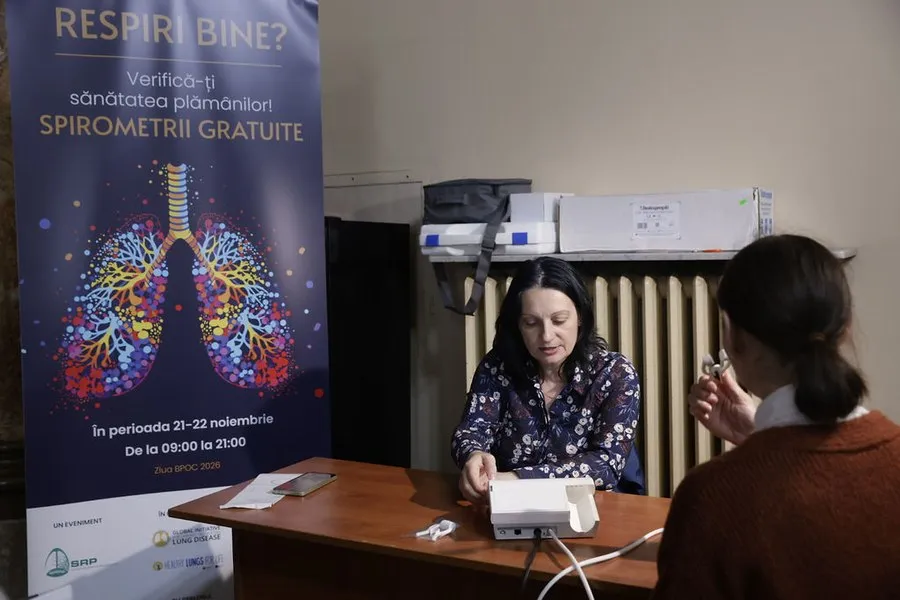
COPD, the lung disease that progresses "in silence": 1 in 10 Romanians could be affected
21 November 2026

The 1-minute walking test that reveals how "aged" your brain is
21 November 2026