
Extreme Heatwave Alert: Ministry of Health Activates Protection Plans – Major Impact for Seniors
Red heat warning in 16 counties. The Ministry of Health calls for the activation of medical intervention plans to protect vulnerable populations.
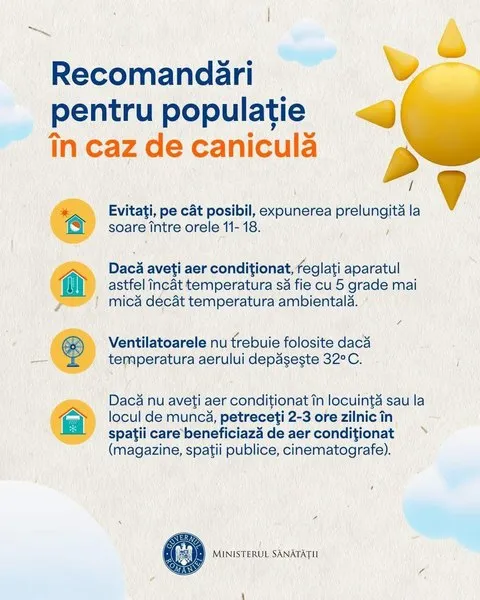
Red Code heatwave in Romania – the healthcare system goes on alert
The Ministry of Health issued an urgent warning on Saturday to all healthcare system structures, requesting the immediate activation of intervention plans to manage the risks associated with extreme temperatures. The decision comes in the context of meteorologists having issued a Red Code heatwave warning, valid on Sunday and Monday, for 16 counties in Romania.
Why older people are most at risk during a heatwave
Elderly people represent the most vulnerable group during periods of extreme heat. As we age, the body's ability to regulate temperature declines significantly, and the risk of dehydration, heatstroke, and the worsening of chronic conditions increases considerably. Conditions common among older adults, such as cardiovascular disease, diabetes, high blood pressure, and kidney failure, can rapidly deteriorate following exposure to high temperatures.
Recommended measures for protecting older people
- Avoiding going outdoors between 11:00 and 18:00, when temperatures reach their daily peak
- Staying properly hydrated – a minimum of 1.5 to 2 litres of water per day, even in the absence of thirst
- Cooling living spaces by keeping blinds closed and ventilating the home during the night-time hours
- Wearing lightweight, light-coloured clothing made from natural fabrics
- Carefully monitoring blood pressure and general health
- Contacting a GP should any concerning symptoms arise
Increased responsibilities for care homes and care services
During heatwave periods, staff at care homes, residential centres, and home care services must pay particular attention to the residents and service users in their care. Monitoring hydration, ensuring cool living spaces, and constantly observing the health of older people are essential obligations under such extreme weather conditions.
When to call the emergency services
Family members and carers must be able to recognise the warning signs that require an immediate call to the emergency number 112: sudden confusion or disorientation, hot and dry skin, fainting, difficulty breathing, chest pain, or a very high body temperature. A rapid response can mean the difference between life and death in the event of heat stroke.
Content paraphrased and adapted by SeniorHelp from verified public sources.
Original source: Adevărul →Previous article
Heatwave in Romania: The Ministry of Health activates emergency measures to protect vulnerable populations
Next article
The 10,000 Steps a Day Rule: What a Nutritionist Has to Say About This Goal
Similar news
Microplastics in tap water can be reduced through boiling and filtering, a study shows
16 October 2026

Over 350,000 doses of flu vaccine to arrive in pharmacies next week
16 October 2026
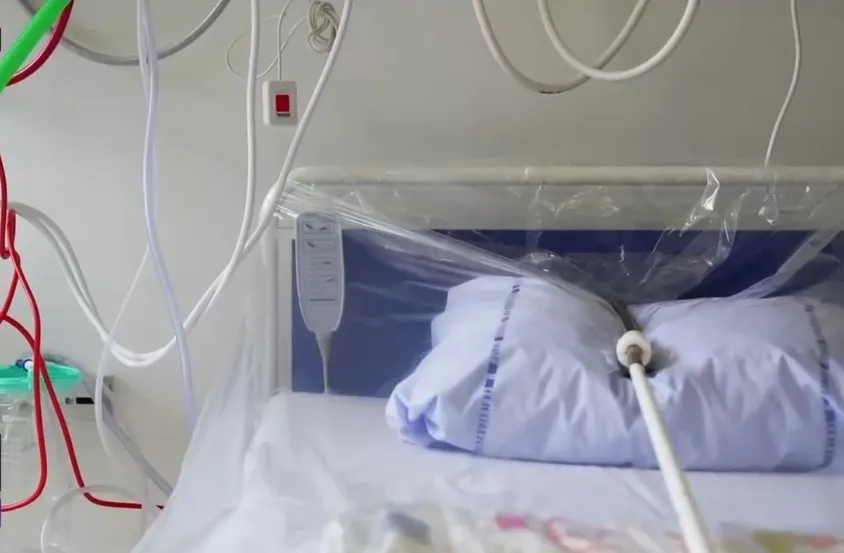
First influenza-related death of this season confirmed by INSP: unvaccinated man from Cluj
16 October 2026
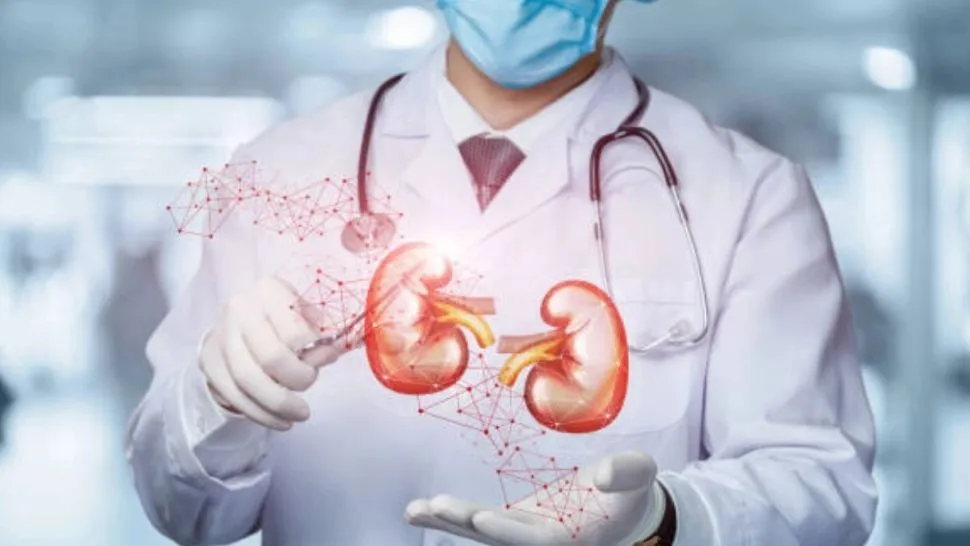
Partial Nephrectomy: The Operation That Treats Kidney Tumours and Preserves the Kidney
16 October 2026

Time spent in nature could improve one's relationship with food, a British study suggests
16 October 2026
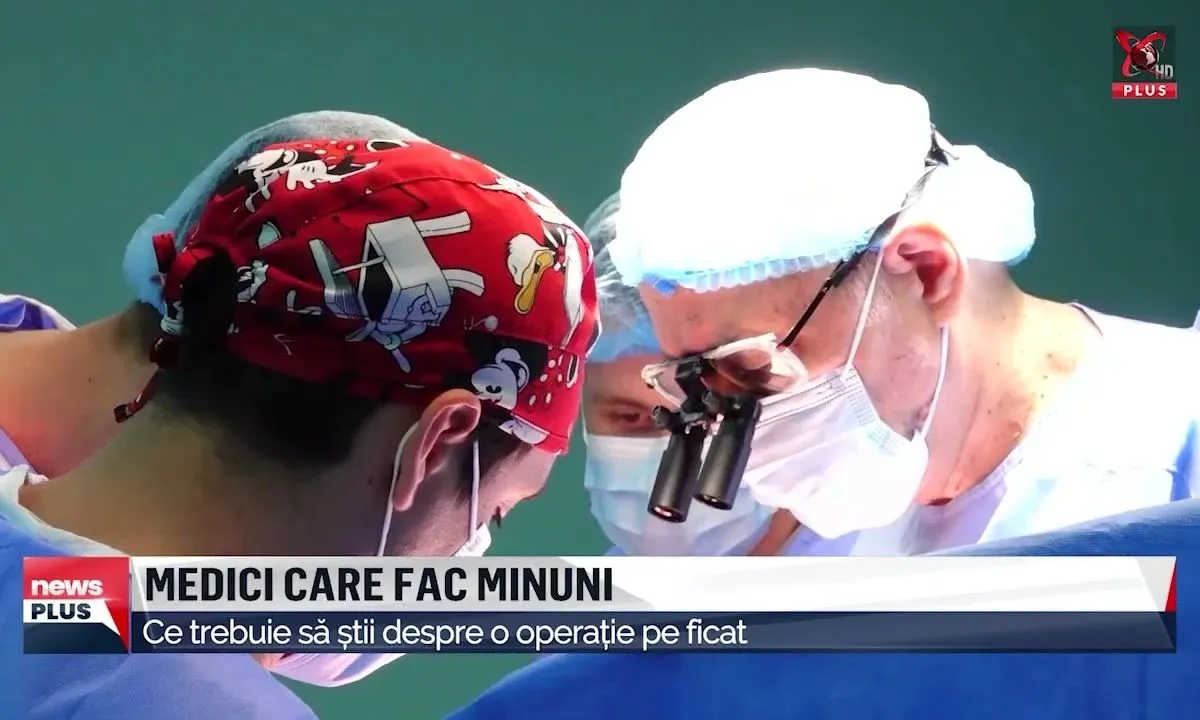
What a liver operation involves: preparation and recovery
15 October 2026