
Robotic Knee Prosthesis: How Precision Technology Works
In advanced gonarthrosis, when conservative treatments no longer provide relief, robotic knee replacement surgery adapts the surgical plan to the patient's individual anatomy.
 Foto ilustrativă
When knee osteoarthritis (gonarthrosis) reaches advanced stages, pain and loss of mobility can become so severe that conservative treatment methods no longer yield results. In these situations, joint replacement with a prosthesis can restore knee function.
One solution in use today is robotic knee replacement surgery, which relies on a computerised system for surgical planning and to assist the surgeon during the bone preparation and implant positioning stages. It is important to note that the robot does not operate independently – all of its movements are continuously controlled by the surgeon.
One advantage of this technology is the ability to tailor the surgical plan to each patient's anatomy. The system facilitates more precise bone resection and better alignment of the prosthesis components.
For the patient, this enhanced precision can translate into more careful implant positioning, taking individual anatomical characteristics into account, as well as better protection of the tissues surrounding the joint. These benefits may contribute to a faster post-operative recovery, reduced post-operative pain, and improved mobility, with a more stable knee whose movements more closely resemble the natural function of the joint.
Article supported by SANADOR.
Content paraphrased and adapted by SeniorHelp from verified public sources.
Original source: Realitatea →Previous article
Inflation dropped to 6.2% in August 2026, INS announces
Next article
New sweetener, 3,500 times sweeter than sugar, which does not affect blood sugar levels
Similar news

Ultra-processed foods linked to hidden damage to blood vessels in the brain
25 October 2026

Neighbourhoods with green spaces associated with lower dementia risk, Swedish study shows
25 October 2026

Study on 460,000 people: not all ultra-processed foods increase the risk of colon cancer
25 October 2026

Grapefruit can dangerously interfere with blood pressure and cholesterol medications
25 October 2026
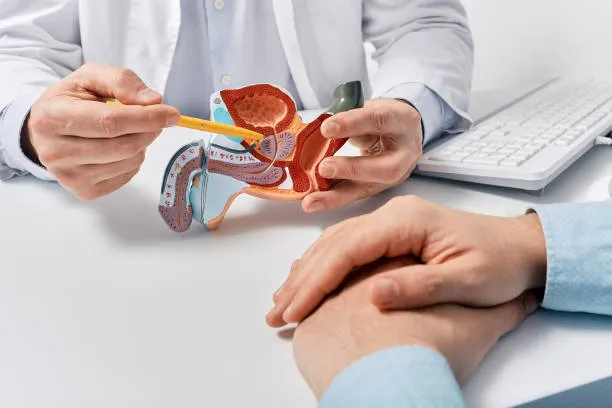
Enlarged prostate: researchers have discovered a cell type that could explain the phenomenon
25 October 2026

Thyroid Scintigraphy: the investigation that shows how active the thyroid gland is
23 October 2026