
First AI-developed vaccine tested on humans – promising results for older adults
A broad-spectrum vaccine could offer enhanced protection to elderly people who are vulnerable to future pandemics.
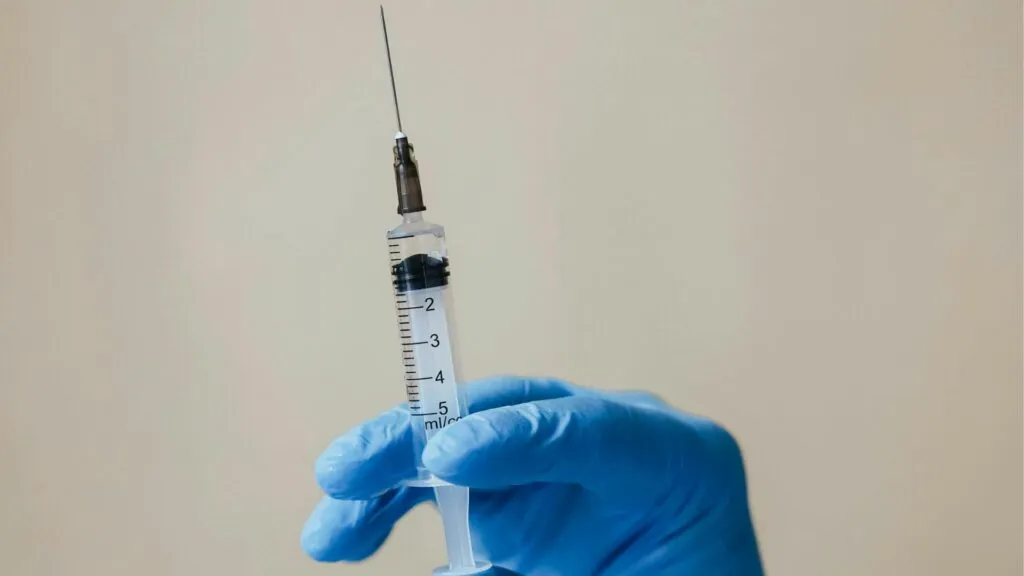
A groundbreaking medical discovery could change the way older adults protect themselves against future pandemics. For the first time in history, a vaccine designed entirely with the help of artificial intelligence has been tested on humans, and the initial results are encouraging.
This innovative vaccine is not limited to protection against a single viral variant, but offers broad protection against multiple types of coronaviruses. For elderly people, who are at greater risk of severe complications from respiratory infections, this approach could represent a revolution in preventive medicine.
Advanced technology for enhanced protection
Unlike conventional vaccines, which target a specific virus, this new technology uses AI algorithms to identify common elements across an entire family of viruses. Artificial intelligence analysed genetic data from thousands of coronaviruses, including COVID-19 and SARS, to find characteristics that have remained unchanged over time.
The vaccine uses DNA technology, making it more stable and easier to transport than messenger RNA vaccines. This is particularly important for care centres and residential homes for the elderly in areas with limited medical infrastructure.
Simplified administration, benefits for seniors
A major advantage for elderly people is the needle-free method of administration, delivered via a high-pressure jet of liquid. This approach could reduce the discomfort and anxiety associated with traditional injections, and is particularly beneficial for seniors with conditions that make conventional vaccine administration more difficult.
Clinical trials have shown that the vaccine stimulates the production of antibodies capable of recognising multiple types of coronaviruses and is safe to use. Although the immune response observed was moderate and further studies are needed to evaluate long-term efficacy, the results represent an important step towards improved protection for vulnerable populations.
This technology could accelerate the development of universal vaccines against influenza and other viruses that pose a serious risk to older adults. For elderly residents of care homes and residential centres, who are often at heightened risk of respiratory infections, such a broad-spectrum vaccine could offer far more comprehensive protection than current options.
Content paraphrased and adapted by SeniorHelp from verified public sources.
Original source: Mediafax →Previous article
Repeated allergic reactions in the elderly: symptoms and risks
Next article
Energy poverty affects a quarter of senior families in Romania
Similar news

Microplastics in tap water can be reduced through boiling and filtering, a study shows
16 October 2026

Over 350,000 doses of flu vaccine to arrive in pharmacies next week
16 October 2026

First influenza-related death of this season confirmed by INSP: unvaccinated man from Cluj
16 October 2026

Partial Nephrectomy: The Operation That Treats Kidney Tumours and Preserves the Kidney
16 October 2026

Time spent in nature could improve one's relationship with food, a British study suggests
16 October 2026
What a liver operation involves: preparation and recovery
15 October 2026